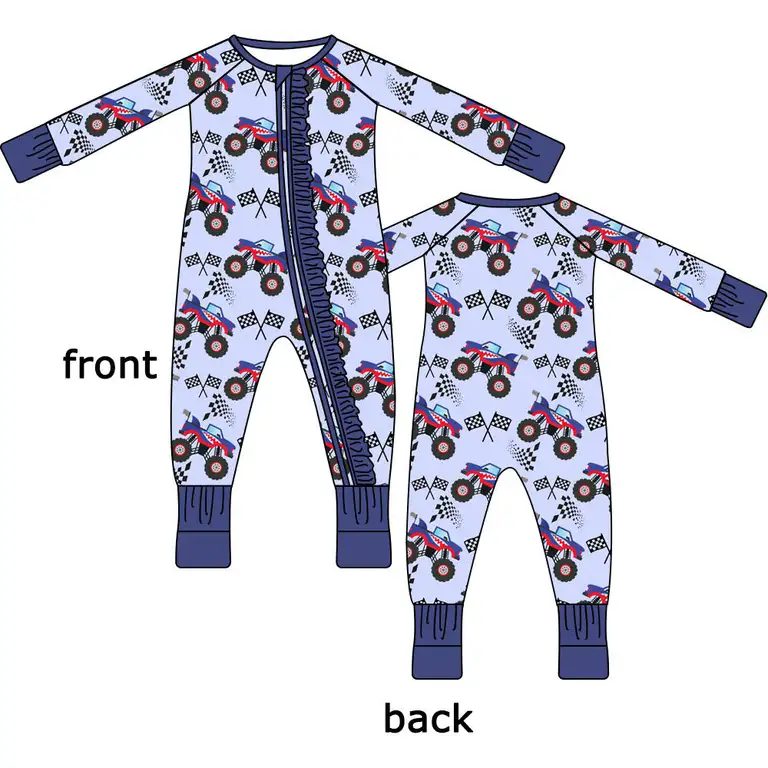
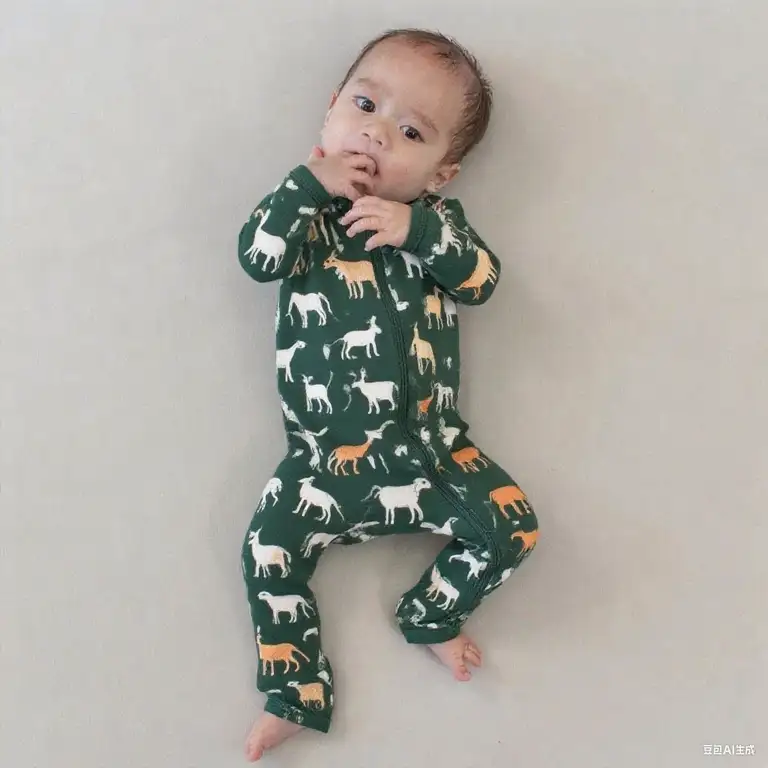
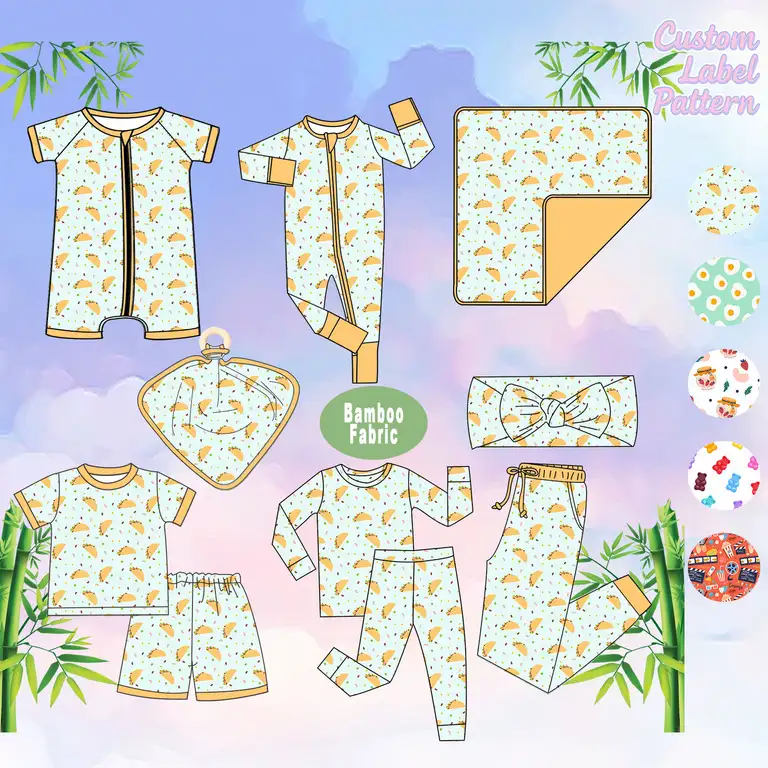
Wholesale Factory Top Leading Toddler Baby Bamboo Rompers
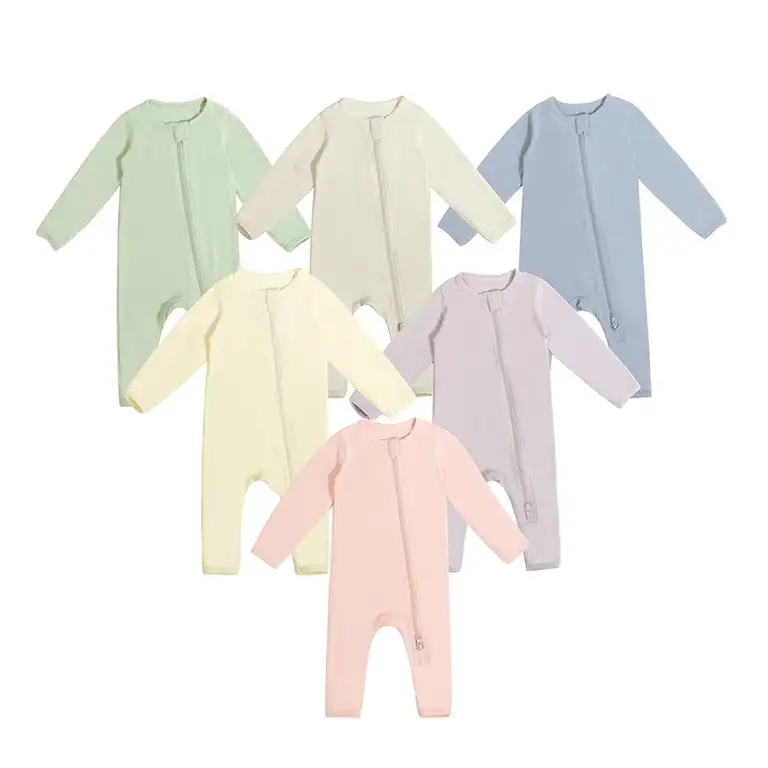
CPSIA Compliance for toddler Baby Bamboo Rompers
The Consumer Product Safety Improvement Act (CPSIA) mandates strict compliance measures for all children’s apparel, including toddler Baby Bamboo Rompers. The law categorizes these rompers as children's clothing, which must adhere to lead and phthalate content limits and stringent chemical restrictions. Testing for lead content, not exceeding 100 ppm, includes surface coatings such as snaps, zippers, and decorative prints. Scrutiny of phthalates, commonly found in elasticated hems, should comply with limits under CPSIA (DEHP, BBP, DBP less than 0.1%). Failure to meet these legislated standards exposes manufacturers and suppliers of toddler Baby Bamboo Rompers to severe financial penalties and potential product recalls.

Children’s Product Certificate (CPC) Requirements
Each batch of toddler Baby Bamboo Rompers requires documented Children’s Product Certificates (CPCs) to validate compliance with applicable safety regulations. CPCs must accompany all shipments across the toddler Baby Bamboo Rompers Supply Chain Solutions, citing third-party verified test results, laboratory credentials, and detailed item descriptions. For stakeholders engaged in bulk shipping protocols, documentation errors or missing CPCs can halt customs clearance and invite hefty legal risks.
Pull-Test Requirements for Durability and Safety of toddler Baby Bamboo Rompers
All snap closures, buttons, or decorative attachments on toddler Baby Bamboo Rompers must undergo rigorous pull-tests to guarantee they remain securely fastened during use. According to ASTM F963 standards, these components should withstand a minimum force of 15 pounds without detachment. Testing machines calibrated for textile applications should apply gradual force to verify fixture strength and detachment resistance. Unintentional component failure during routine wear increases the risk of choking hazards for toddlers, triggering liability concerns for brands involved in supplying toddler Baby Bamboo Rompers.
Textile Durability Testing
Fabric pilling resistance directly impacts customer acceptance rates for toddler Baby Bamboo Rompers. Adherence to ASTM D4970 standards is strongly recommended during pre-production to reduce complaints about pilling and wear. Lightweight bamboo fabrics in particular should meet high abrasion-resistance thresholds due to their frequent use in rompers. Product testing labs commonly deploy Martindale machines for this assessment, ensuring acceptable tolerances under repeated washing cycles typical of toddler apparel.
Legal Risk Considerations in toddler Baby Bamboo Rompers Manufacturing
Legal exposure within the toddler Baby Bamboo Rompers Supply Chain Solutions originates from material sourcing, production processes, and end-market compliance gaps. Suppliers and manufacturers must take preemptive action to safeguard against non-compliance litigation. For instance, utilizing traceable raw materials with certification for organic and pesticide-free processing can minimize reputational risks. Imposing restricted substance agreements upon fabric vendors within the toddler Baby Bamboo Rompers Supply Chain Solutions enforces accountability and aligns with CPSIA-mandated content restrictions.
Labeling and Traceability
Each tag affixed to toddler Baby Bamboo Rompers must specify mandatory information, including manufacturer’s identification, batch number, and care instructions, adhering to CPSIA labeling provisions (16 CFR Part 1110). QR code-enabled smart tags are gaining popularity for efficient batch tracking across the toddler Baby Bamboo Rompers Supply Chain Solutions. Inaccurate or untraceable labels impede recall management efforts during defect investigations and can escalate liabilities for all parties involved in distributing toddler Baby Bamboo Rompers.
Flammability Testing
Flammability remains a critical consideration for toddler Baby Bamboo Rompers. Federal guidelines (16 CFR Part 1610) mandate that children’s clothing must meet slow-burning ignition parameters. Bamboo textile weaves pose lower ignition risks; however, additional flame-retardant applications or chemical treatments should comply with CPSIA chemical additive thresholds. Third-party labs should provide test certifications before integrating treatments into commercial batches, preventing shipment delays that disrupt toddler Baby Bamboo Rompers Supply Chain Solutions.
Proactive Strategies for Stakeholders in toddler Baby Bamboo Rompers Supply Chain Solutions
Ensuring alignment throughout the toddler Baby Bamboo Rompers Supply Chain Solutions requires ongoing risk management and stringent quality controls. Periodic inspections of supplier facilities ensure sustained compliance with pull-test protocols, chemical content limitations, and flammability standards. Stakeholders must maintain open communication networks to address routine CPSIA amendments impacting toddler Baby Bamboo Rompers.
Documentation Compliance Audits
Routine audits of CPCs and related product documentation prevent inefficiencies during cross-border shipments. Suppliers involved in toddler Baby Bamboo Rompers Supply Chain Solutions must centralize compliance paperwork both digitally and physically. Access to detailed product lifecycle records reduces transit bottlenecks and promotes legal readiness in response to regulatory scrutiny.
| Eco Index | 97% Certified |
| Global Production Metric | Baby Bedding Romper |
| Base Composition | Bamboo 887nd Gen |
| Lead Time | 38 Days |
| Technical Wholesale Requirement | Family Bamboo Christmas Pajamas |
| Quality Audit | BV |
Collaborative Testing Programs
Brands and suppliers of toddler Baby Bamboo Rompers benefit from collaborative partnerships with accredited testing facilities. Developing testing schedules coinciding with production milestones optimizes cost-efficiency. Testing programs must prioritize repeated regulatory scenarios, addressing high-risk components such as snap closures, elastic seams, and dyed prints used in toddler Baby Bamboo Rompers.