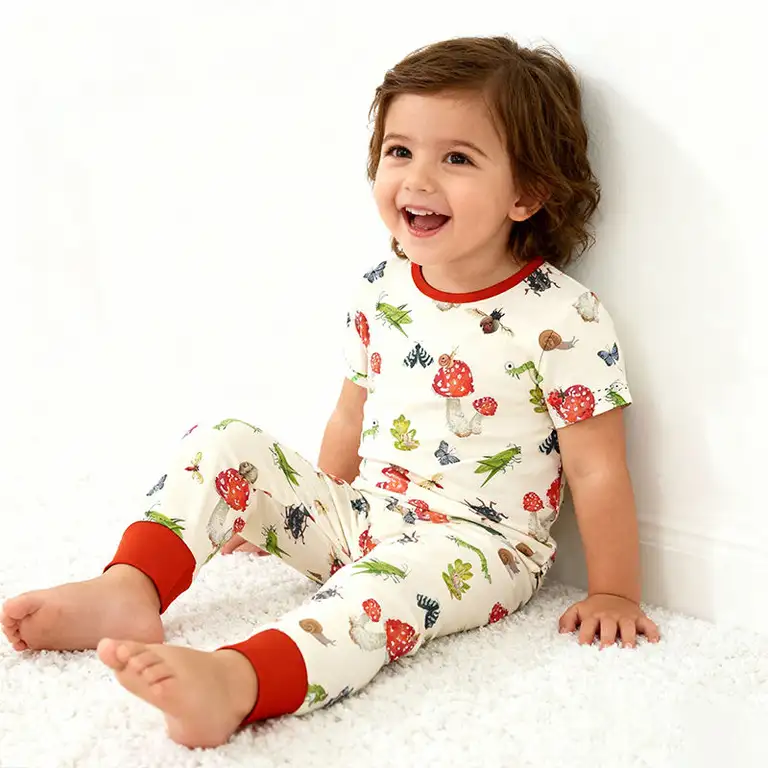
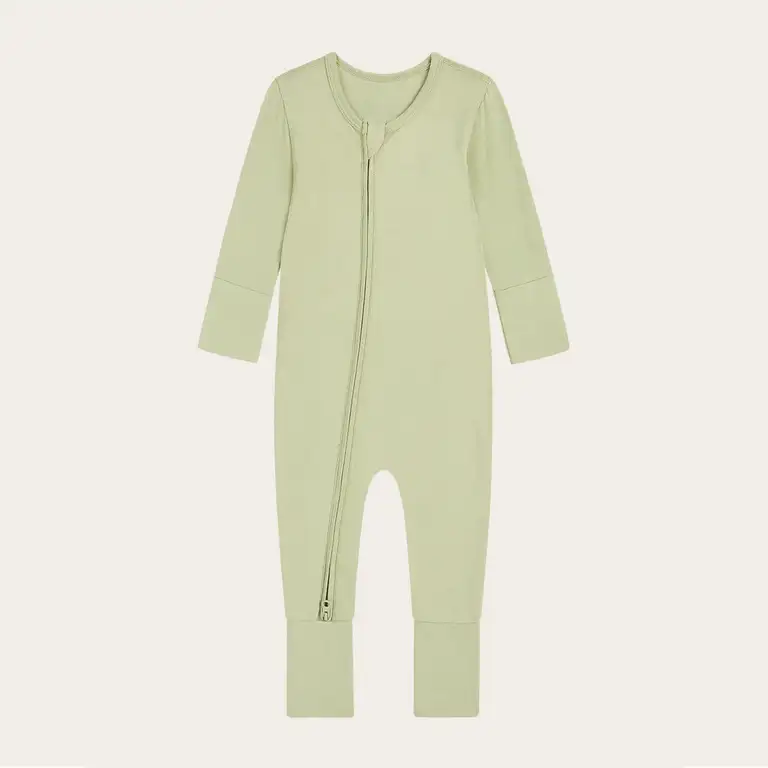
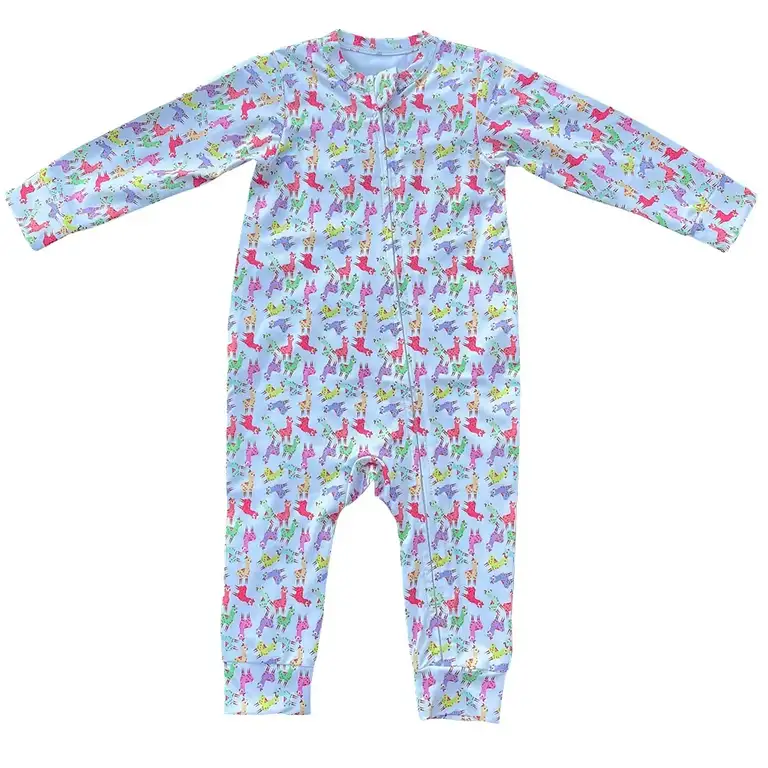
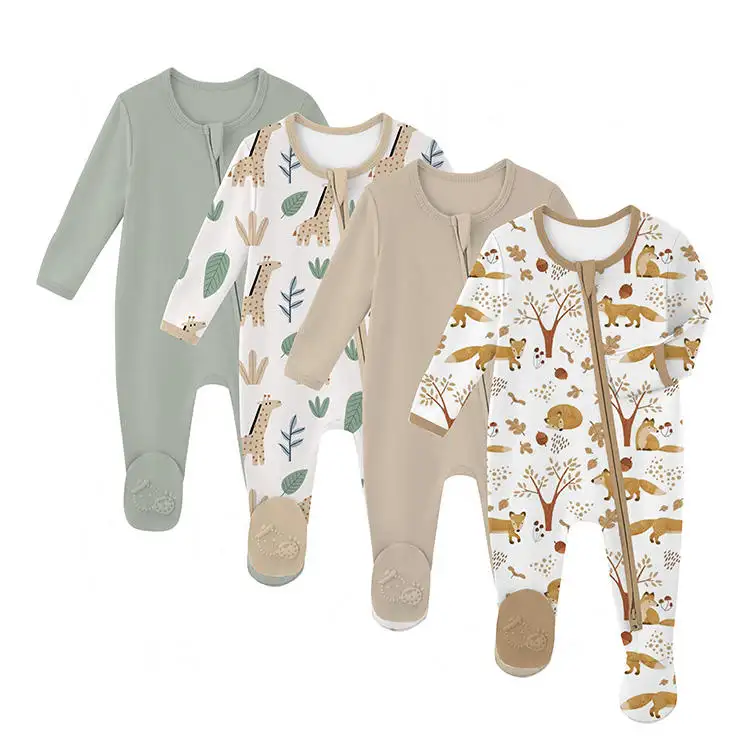
Wholesale Full Sleeve Baby Rompers Professional Production Custom
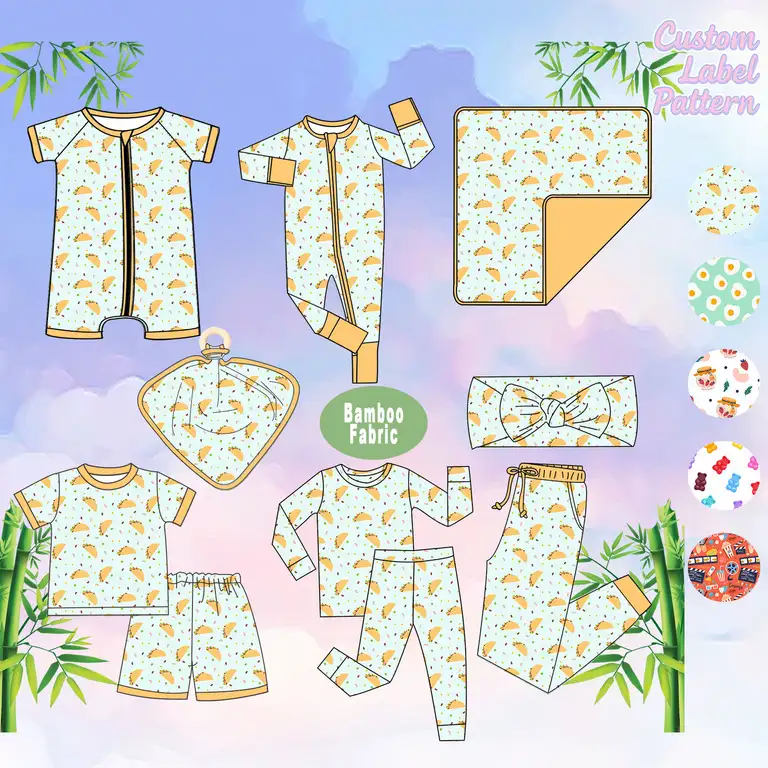
A Comprehensive B2B Guide to Sourcing Full Sleeve Baby Rompers
Full sleeve baby rompers are essential items in the babywear market, offering both style and practicality. For businesses sourcing these items, understanding the critical aspects of design, material selection, compliance, and supplier assessment is crucial. This guide provides key considerations and actionable tips to successfully procure high-quality, full-sleeve baby rompers tailored to your business needs.
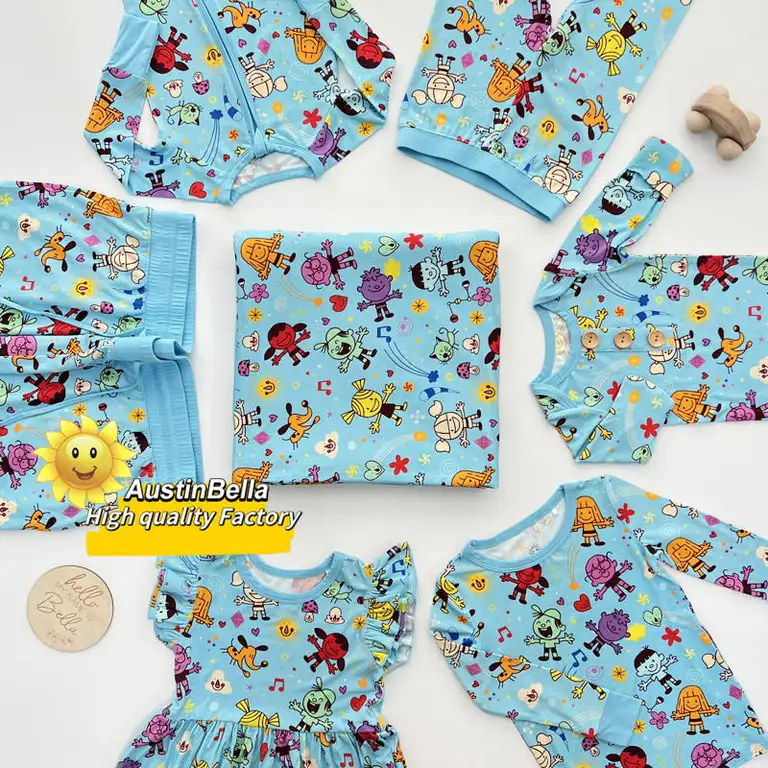
Key Materials Used in Full Sleeve Baby Rompers
The first step in sourcing full sleeve baby rompers is selecting the right material. The material not only impacts comfort but also durability and cost. Below are the most common options:
- Cotton: Widely preferred for its softness, breathability, hypoallergenic properties, and ease of washing. Organic cotton is increasingly popular due to its eco-friendliness and safety for sensitive baby skin.
- Bamboo: Known for its natural antibacterial properties, bamboo fabric is lightweight, ultra-soft, and sustainable, making it an excellent premium option.
- Blends: Cotton-polyester or cotton-spandex blends are used to combine softness and stretchiness. They are economical and offer better durability compared to 100% natural fabrics.
When sourcing baby rompers, always prioritize baby-safe fabrics that meet safety and comfort requirements. Request material swatches or test samples from suppliers to assess quality before bulk purchasing.
Design Features to Look for in Full Sleeve Baby Rompers
Design is another critical consideration when sourcing full sleeve baby rompers. The target audience is parents who value convenience, function, and aesthetics for their babies. Key design features to evaluate include:
- Snap Closures: Look for rompers with snap buttons or press studs along the inseam and front for easy diaper changes.
- Envelope Necklines: These neck designs allow easy dressing and undressing without causing discomfort to the baby.
- Footed vs. Footless: Footed rompers are ideal for colder weather, while footless designs work better in warmer climates by allowing airflow.
- Seam Placement: Ensure inside seams are minimal and properly finished to prevent irritation or discomfort for the baby.
- Prints and Patterns: Subtle, baby-friendly colors and non-toxic prints are safer options. Bold, vibrant patterns can be chosen based on customer preferences.
Before finalizing a design, request prototypes to ensure the practicality and aesthetic appeal of the rompers meet your demographics’ expectations.
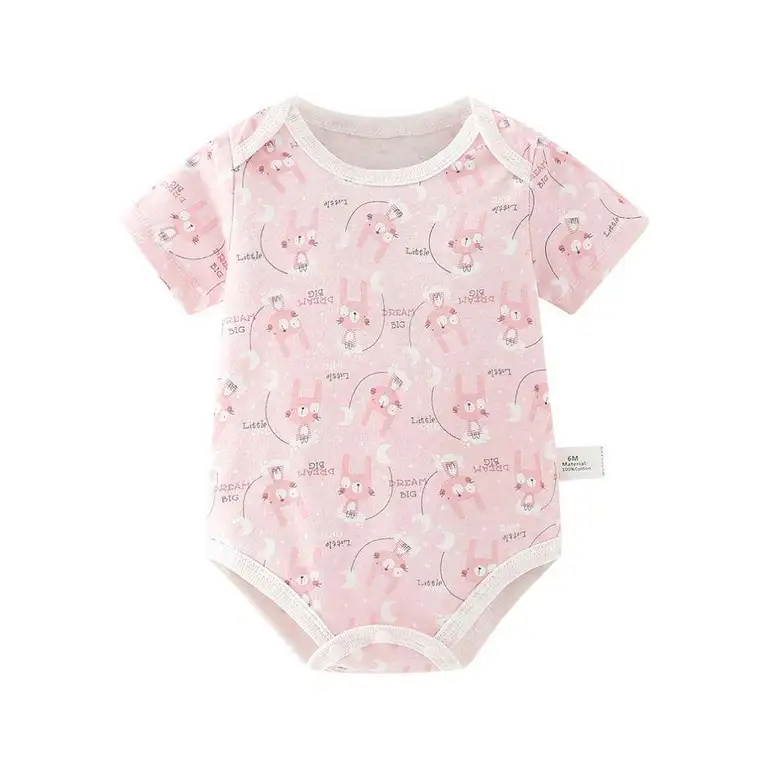
Sizing Options and Fit Guidelines
Baby rompers must cater to various ages and body types. Standard baby clothing sizes are usually grouped by months, such as 0-3 months, 3-6 months, and so on, up to 24 months. Ensure your supplier follows internationally recognized sizing conventions and offers accurate measurements:
- Chest and Waist Width: Important for stretch and comfort.
- Romper Length: Adjust for seasonal designs, ensuring ample space for growth.
- Sleeve Length: Essential for full-sleeve rompers, especially for colder climates.
Confirm with your supplier that their sizing complies with your target market’s regional standards. If customization is required, provide sizing charts to guide the production process.
Quality Control Measures for Baby Rompers
Quality assurance is vital in babywear sourcing due to sensitive skin and safety standards. Consider the following quality control measures:
- Fabric Testing: Ensure fabrics are free of harmful chemicals, dyes, and toxins. Conduct breathability and stretch tests on material samples.
- Closure Durability: Inspect zippers, snaps, or buttons for durability during multiple washes and general wear-and-tear.
- Stitching Quality: Assess thread strength, evenness of stitching, and secure edges to ensure tear resistance.
- Shrinkage Testing: Check if the romper retains its shape after multiple washes and doesn’t shrink disproportionately.
Inspect bulk shipments before acceptance, and consider third-party quality inspectors for large orders. High quality helps ensure fewer returns and improves customer satisfaction.
Compliance and Certification Requirements
Compliance with industry and regional safety regulations is essential when sourcing baby rompers. Buyers must verify certifications and ensure their supplier adheres to the following standards:
- OEKO-TEX® Standard 100: Certifies that the fabric is free of harmful substances and safe for infant skin.
- CPSIA: For imported rompers into the U.S., compliance with the Consumer Product Safety Improvement Act for lead, phthalate, and flammability limits is mandatory.
- GOTS Certification: Relevant for organic cotton rompers to ensure eco-friendly and sustainable production processes.
Confirm these certifications with your supplier and request relevant documentation. Non-compliance can lead to legal complications and brand reputation damage.
Finding and Assessing Reliable Suppliers
The quality of your full sleeve baby rompers largely depends on your choice of supplier. Here are steps to find and evaluate potential suppliers effectively:
- Research and Shortlisting: Use trade directories, B2B marketplaces, and industry expos to shortlist reputable manufacturers specializing in babywear.
- Assess Capability: Verify manufacturing capacity, product portfolio, and previous clientele. Ensure the supplier can handle your required volumes without compromising quality.
- Communication and Samples: Evaluate supplier responsiveness to queries. Request product samples to check material, stitching, and workmanship.
- Factory Audits: Conduct factory visits or virtual audits to ensure ethical and transparent operations.
- Terms and Agreements: Review payment terms, production timelines, and warranties before signing contracts.
Additionally, prioritize suppliers offering flexibility for custom designs and packaging. Long-term partnerships are more sustainable when both parties align their quality and logistic expectations.
Final Tips for B2B Buyers
To optimize your sourcing experience for full sleeve baby rompers, keep these key points in mind:
- Negotiate pricing based on bulk order volumes, lead times, and logistics costs.
- Understand your target market and demographic preferences, focusing on climate and cultural influences on design choices.
- Work with suppliers who are proactive in adopting sustainable and baby-safe production practices.
- Develop a trial batch for testing the product with customers before committing to large-scale production runs.
- Maintain open communication throughout the process for smooth handling of production stages and shipping coordination.
Proper planning and supplier collaboration ensure the baby rompers you source meet customer expectations, paving the way for higher customer satisfaction and repeat business.
| Origin | PRC |
| Capability | Customized |
Sourcing full sleeve baby rompers effectively requires balancing quality, compliance, and cost factors strategically. By applying the steps in this guide, your business can achieve reliable supply chain operations and offer premium babywear that resonates with your market.