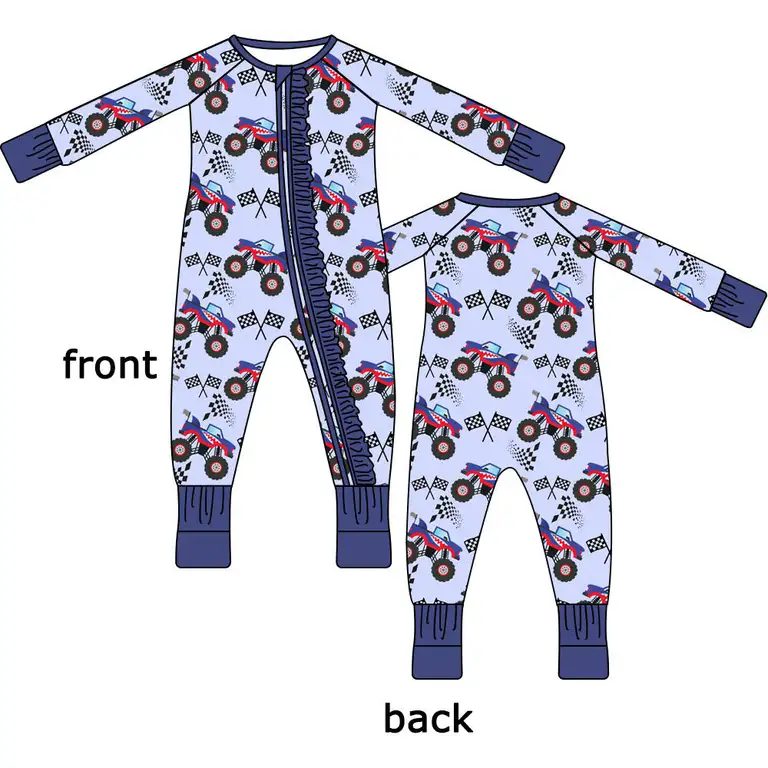
Custom Print Bamboo Pajamas | Leading Premier
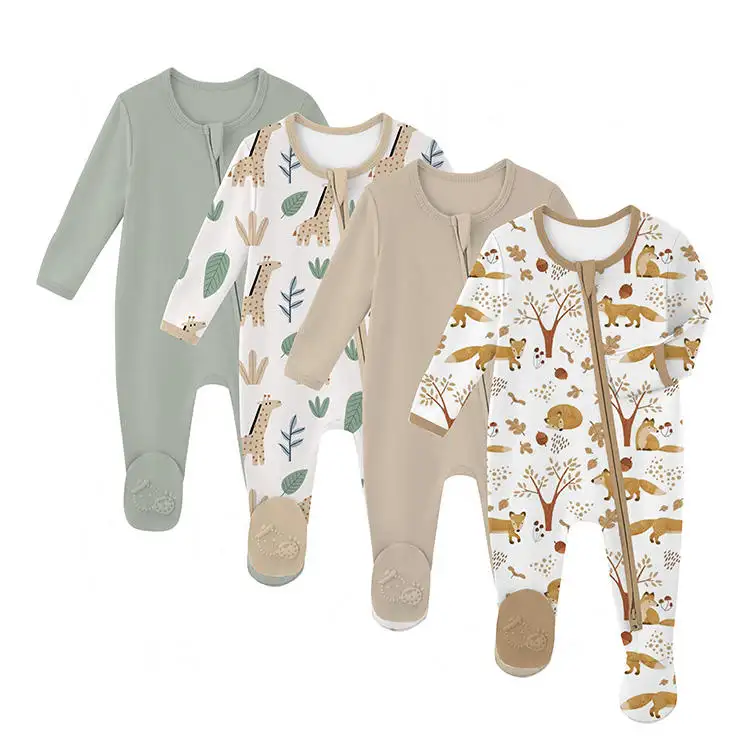
The Ultimate Guide to Sourcing Bamboo Pajamas for Your Business
Bamboo pajamas are gaining immense popularity in the apparel industry, renowned for their sustainability, comfort, and luxurious feel. If you’re looking to source bamboo pajamas for your business, understanding the sourcing process, key considerations, and industry standards is critical to making informed decisions. This guide will walk you through the essentials of sourcing bamboo pajamas for your B2B needs.
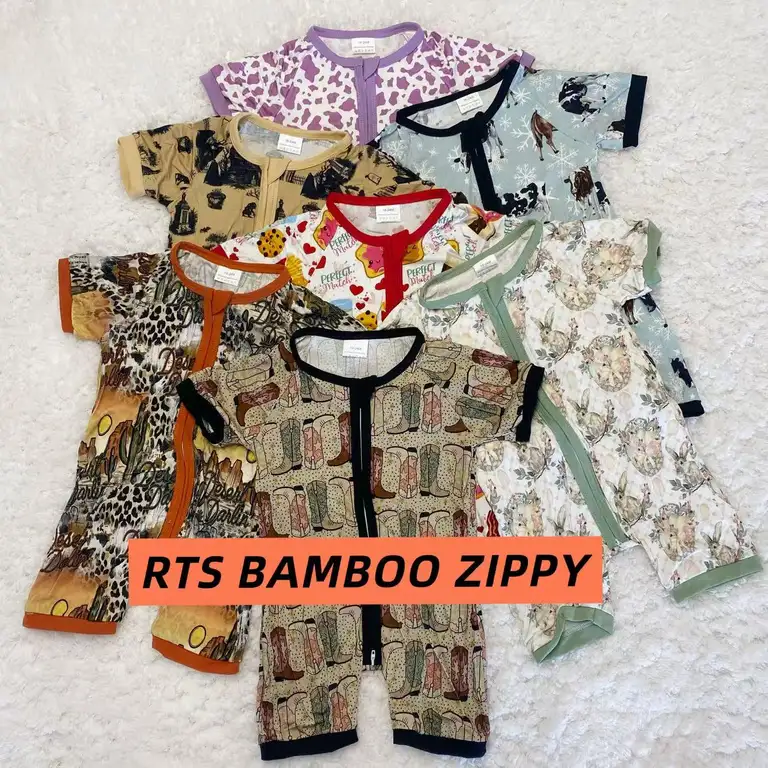
What Makes Bamboo Pajamas a Preferred Choice?
Bamboo fabric is sustainably derived from bamboo plants, making it an eco-friendly option for businesses prioritizing sustainable production. Its natural properties make it hypoallergenic, breathable, moisture-wicking, and temperature-regulating, providing unparalleled comfort to wearers. These features are why bamboo pajamas have established themselves as a premium sleepwear option in the apparel industry.
, businesses opting for bamboo pajamas are aligning with growing consumer demand for environmentally responsible manufacturing. By sourcing bamboo pajamas, companies demonstrate a commitment to sustainability without compromising on product quality, which can positively influence their brand perception and market position.
Key Technical Features of Bamboo Fabric
- Softness: Bamboo fiber is naturally smooth, providing a silky texture to the final product.
- Durability: High tensile strength ensures that bamboo fabric can withstand regular use without pilling or damage.
- Breathable: Bamboo fabric allows for proper ventilation, making it comfortable for all seasons.
- Moisture-wicking: Bamboo fibers can absorb and evaporate sweat quickly, keeping the wearer dry and comfortable.
- Antibacterial properties: Bamboo contains natural antimicrobial agents that help resist odors and bacteria.
- Biodegradability: At the end of its lifecycle, bamboo fabric decomposes naturally, reducing environmental waste.
How to Source Bamboo Pajamas for Your Business
To source bamboo pajamas effectively, you need to evaluate suppliers based on critical considerations such as material quality, certification, cost, and production capacity. Below are essential steps to help guide your sourcing process:
Step 1: Identify Trusted Bamboo Fabric Suppliers
The first step in sourcing bamboo pajamas for your business is to identify suppliers that specialize in bamboo fabric production. Look for suppliers that use responsibly harvested bamboo and offer certifications such as OEKO-TEX, GOTS (Global Organic Textile Standard), or USDA Organic to ensure the authenticity and eco-friendliness of the material. Partnering with trusted suppliers enhances your product's credibility and ensures superior quality sleepwear.
Step 2: Assess Fabric Types
Bamboo fabric comes in different variations, such as bamboo viscose (also called bamboo rayon), bamboo lyocell, and bamboo linen. Each type has unique manufacturing processes and characteristics:
- Bamboo Viscose: Known for its softness and silky texture, this is the most commonly used bamboo fabric in pajamas. However, its production involves chemical processing.
- Bamboo Lyocell: An eco-friendlier option, it requires a closed-loop chemical process that significantly reduces waste.
- Bamboo Linen: A natural fabric derived without chemical processing, it is less soft but very durable.
When sourcing bamboo fabric, consider the specific requirements of your target audience and determine which type aligns with your business goals.
Step 3: Verify Manufacturing Certifications
Certifications ensure that the bamboo pajamas meet global standards for sustainability, safety, and ethical production. In addition to textile-specific certifications, ensure compliance with regulations that govern labor practices and environmental impact. Common certifications to look for include:
- OEKO-TEX Standard 100: Verifies that the textile is free from harmful substances.
- GOTS: Ensures organic production processes and ethical labor practices.
- Bamboo Forest Stewardship Council Certification: Guarantees responsibly sourced bamboo.
Request documentation from suppliers to verify these certifications before moving forward with any partnership.
Step 4: Calculate Production Costs and Evaluate MOQ
Understanding the cost of bamboo pajamas is crucial for pricing your products effectively. Different suppliers may offer varying pricing based on fabric type, order volume (MOQ—minimum order quantity), and shipping conditions. While it may be tempting to choose suppliers with the lowest cost, never compromise on quality, as subpar products can tarnish your brand reputation.
Evaluate the supplier’s pricing structure, payment terms, and lead times to determine the long-term feasibility of sourcing from them. Negotiate a reasonable balance between cost efficiency and material quality.
Step 5: Prioritize Communication, Samples, and Quality Assurance
Effective communication is vital throughout the sourcing process. Engage with suppliers to clarify your business needs, including custom designs, sizing, or branding. Request product samples before placing bulk orders to confirm that the fabric's quality, appearance, and functionality meet your expectations.
Additionally, establish a quality assurance process to regularly inspect production outputs. Issues caught early can prevent substantial setbacks in mass production, saving time and money.
Customizing Bamboo Pajamas for Your Brand
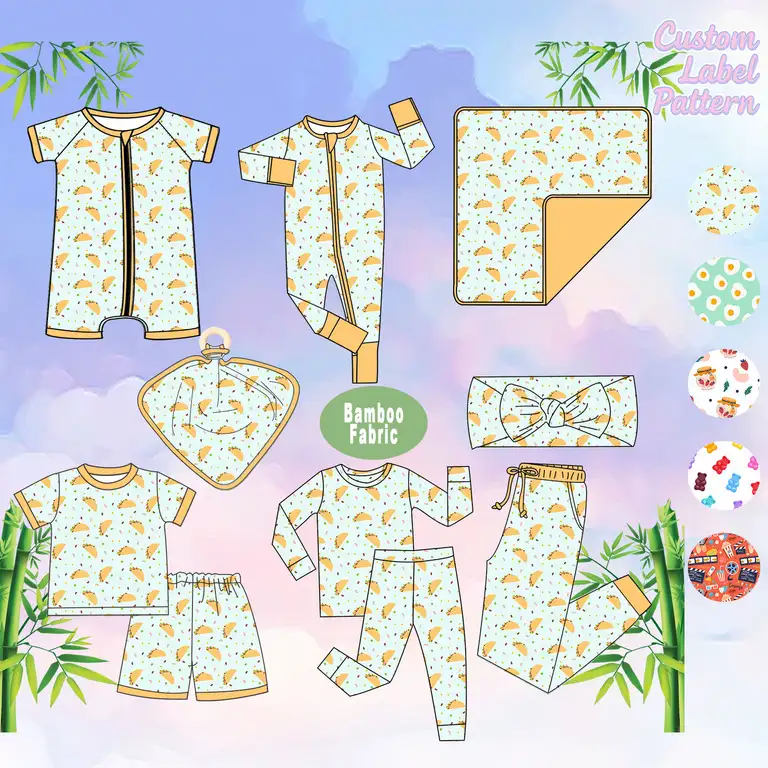
Many manufacturers offer customization options such as personalized labels, logos, and designs. Customization not only enhances brand visibility but also helps differentiate your product in a competitive market. Here are some ways to tailor bamboo pajamas for your brand:
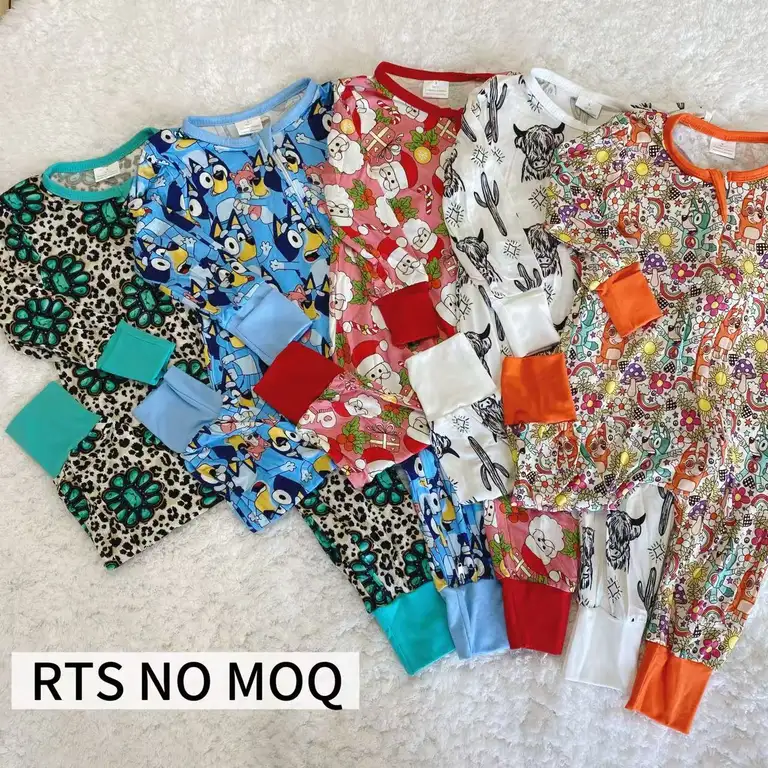
- Custom Fit and Sizing: Offer various size options to cater to a diverse customer base.
- Branding Elements: Add custom embroidery, printed logos, or monogramming.
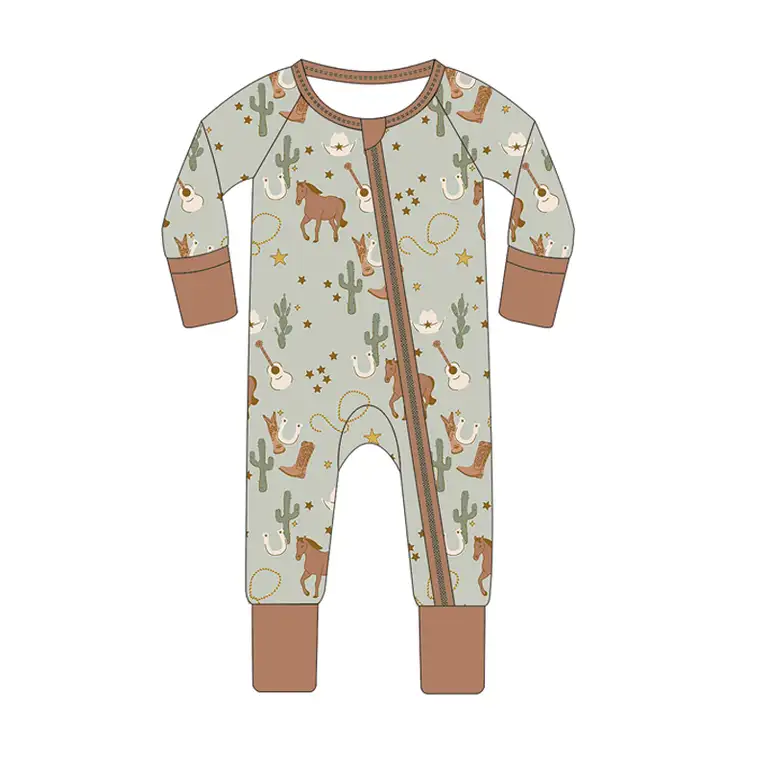
- Color Choices and Patterns: Experiment with dyed fabrics or printed designs for a unique appeal.
- Packaging: Sustainable and branded packaging, such as reusable bags or eco-friendly boxes, complements the product’s eco-friendly nature.
Work closely with your supplier to ensure they can accommodate your branding and design requirements without compromising production timelines.
Shipping and Logistics
Shipping and logistics are critical factors in the sourcing process that can affect both timelines and costs. When working with international suppliers, evaluate their experience in handling cross-border shipments, including export documentation and customs requirements.
Choosing Between Local vs. Overseas Suppliers
One dilemma businesses face is whether to source locally or from overseas manufacturers. Each option has its advantages:
- Local Suppliers: Faster shipping times, easier communication, and the potential for in-person visits to oversee quality.
- Overseas Suppliers: Lower unit costs and access to a broader range of manufacturers, although longer lead times and potential communication issues may arise.
Your decision should depend on your business model, budget, and target market.
Shipping Times and Costs
Calculate shipping times and costs based on supplier location and shipping method. Factor in customs duties or import fees that may apply to your region. Also, inquire about the supplier’s packaging standards to confirm whether they align with your preferences for eco-friendly or minimalistic solutions.
| Origin | PRC |
| Capability | Customized |
Compliance with Sustainability and Ethical Practices
Bamboo pajamas are a sustainable product, but it’s important that the entire manufacturing process aligns with ethical and eco-conscious principles. Before engaging in a partnership, request transparency from your supplier regarding their practices in the following areas:
- Labor Conditions: Ensure compliance with fair labor standards, proper treatment of workers, and the absence of child labor.
- Environmental Impact: Evaluate processes involved in bamboo cultivation, chemical usage during production, and waste management methods.
- Certifications: As mentioned earlier, certifications such as GOTS and OEKO-TEX can serve as proof of sustainable and ethical practices.
Incorporating these factors into your sourcing decisions can positively influence your brand’s reputation while helping the environment.
Evaluating Suppliers and Building Long-Term Partnerships
When sourcing bamboo pajamas, building a strong, long-term partnership with your supplier is essential. Evaluate potential suppliers on the following criteria:
- Experience: Choose suppliers with a proven track record in producing bamboo apparel.
- Communication: Look for responsive and transparent communication throughout the sourcing process.
- Capacity: Ensure the supplier can meet your business’s scaling requirements.
- Reviews and References: Check client testimonials or ask for references to confirm the supplier’s reliability.
By assessing these factors, you can identify a partner who aligns with your business goals and values.
Sourcing bamboo pajamas requires a thoughtful and systematic approach to ensure quality, sustainability, and cost-effectiveness. By prioritizing certification, fabric quality, and supplier communication, you can establish a reliable sourcing pipeline that meets your business’s needs. Additionally, customization and ethical practices not only add value to your product but also reinforce your commitment to responsible business operations. Follow the steps laid out in this guide to streamline your sourcing process and bring high-quality bamboo pajamas to your customers.