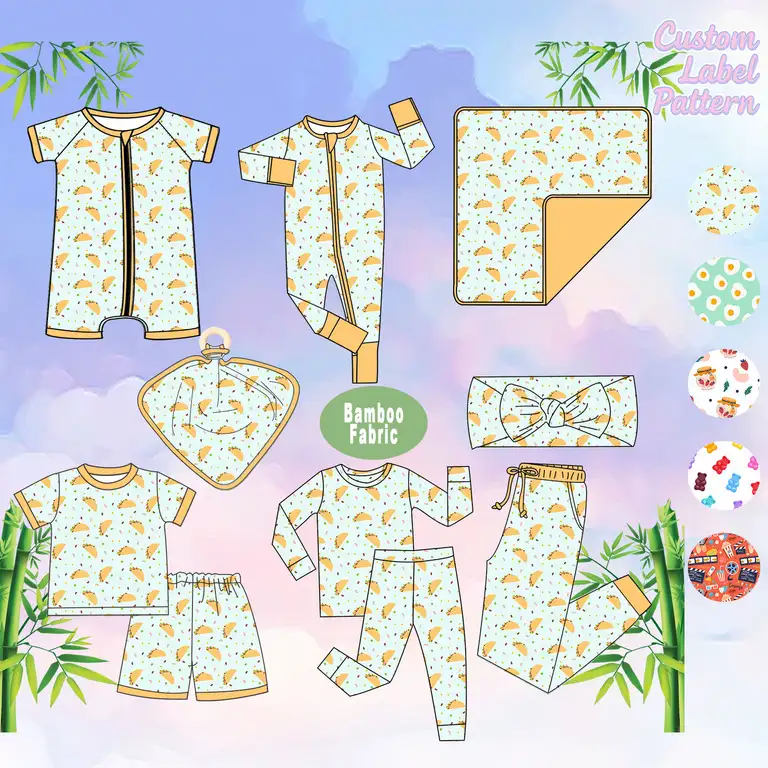
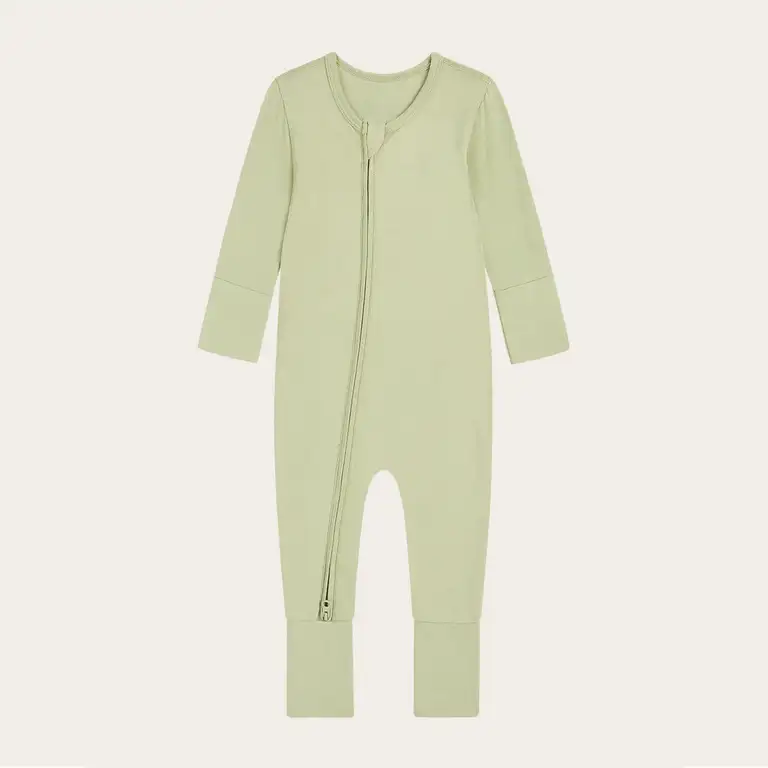
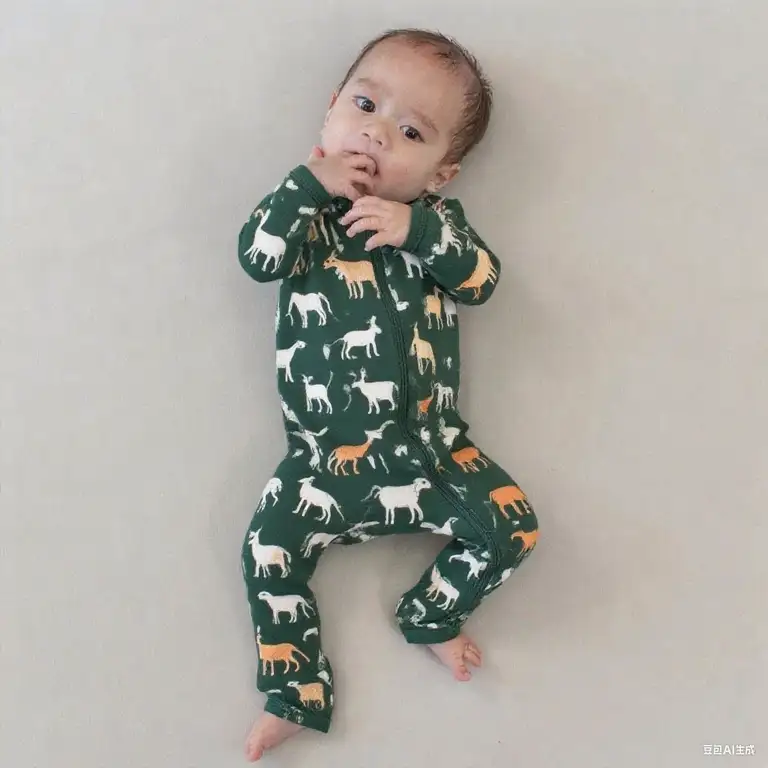
Service Manufacturer Bespoke Production Kids Bamboo Pajamas 2 Piece
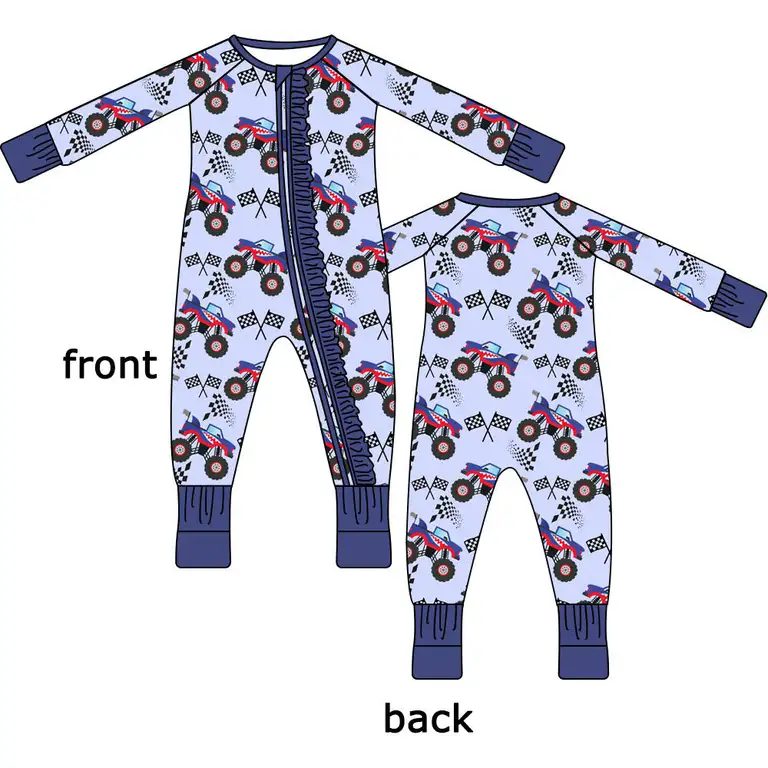
Comprehensive Guide to Sourcing Kids Bamboo Pajamas 2-Piece
As a B2B retailer or distributor, finding high-quality kids bamboo pajamas in a two-piece design can be a profitable yet competitive venture. Bamboo fabric is highly sought after in children’s clothing for its durability, sustainability, and hypoallergenic properties. Understanding key factors such as product specifications, supplier evaluation, certifications, and shipping logistics is essential for sourcing efficiently and effectively. This guide provides a technical breakdown to help you make informed decisions when sourcing kids bamboo pajamas.
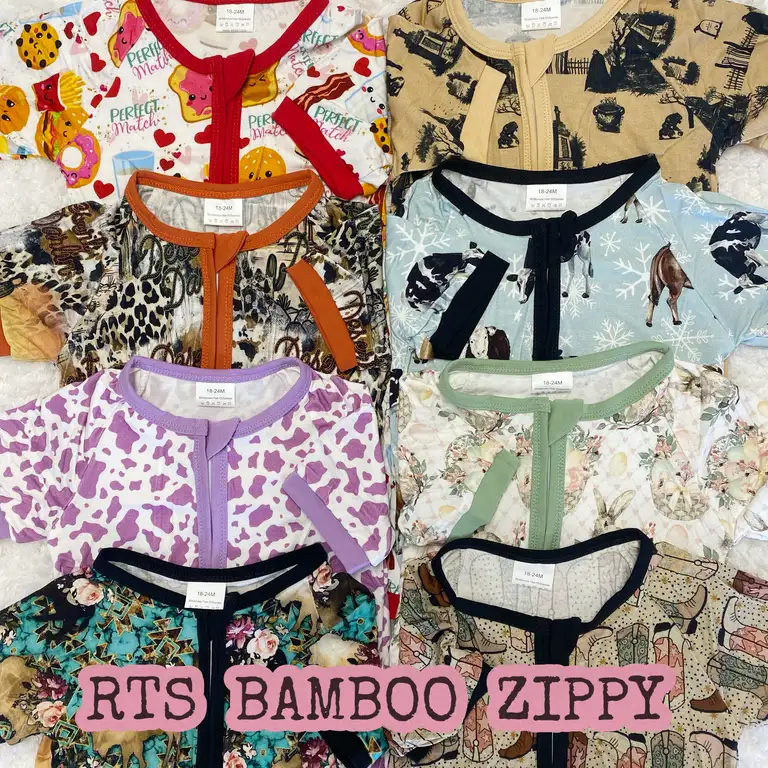
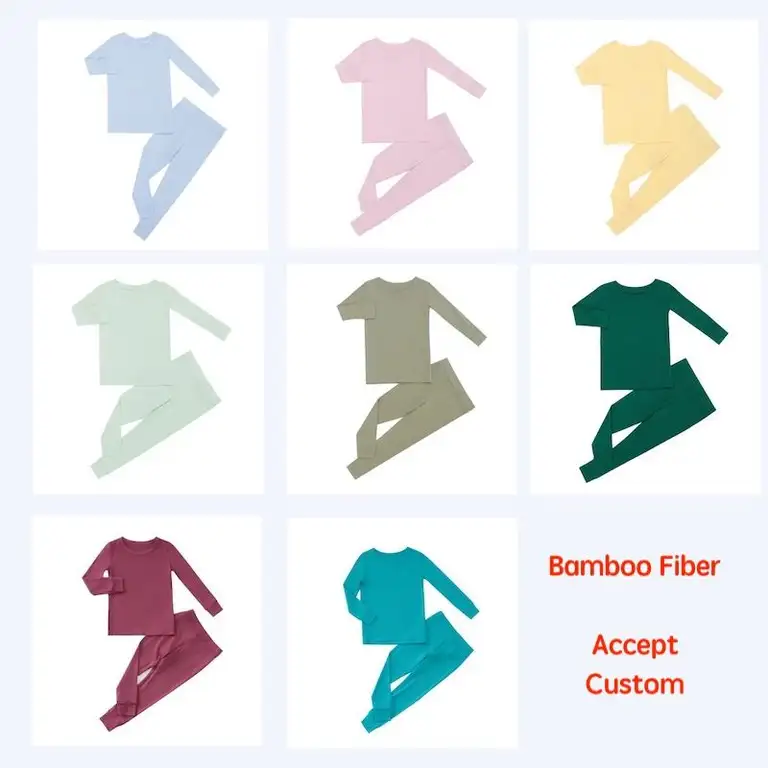
Key Features to Look for in Kids Bamboo Pajamas
When sourcing kids bamboo pajamas, product specifications play a significant role in customer satisfaction. Prioritize the following features:
- Material Composition: Opt for high-quality fabric blends, such as 95%-100% bamboo viscose or bamboo rayon. Mixing with 5% elastane or spandex provides extra stretch for comfort.
- Softness and Breathability: Bamboo fabric is naturally smooth and breathable, which is essential for a child’s sensitive skin and night-time comfort.
- Durability: Look for double-stitched seams, reinforced cuffs, and high-quality dye finishes to ensure long-lasting wear.
- Eco-Friendliness: Ensure the bamboo fabric is sustainably sourced and produced through environmentally friendly processes.
- Certification: Ensure compliance with OEKO-TEX Standard 100 or GOTS (Global Organic Textile Standard) to guarantee the safety and quality of textiles.
- Design: Two-piece pajama sets should be designed with flexibility and movement in mind. Elastic waistbands and stretchy cuffs are ideal for children.
- Printing and Colors: Non-toxic dyes should be used for any printed patterns or color designs to ensure skin safety.
Evaluating Potential Suppliers
Finding reliable suppliers is critical to building a trustworthy sourcing network. Utilize the following criteria to evaluate potential partners:
1. Experience in the Industry
Select suppliers with documented expertise in children's clothing, particularly with bamboo fabrics. Experience ensures better production practices, quality control, and a well-established supply chain.
2. Manufacturing Capabilities
Gauge the supplier’s manufacturing capacity. An efficient supplier can produce sizable quantities to meet demand while maintaining consistent quality. Request for minimum and maximum order quantities (MOQ and Maximum OQ) to verify scalability.
3. Certifications
Verify supplier certifications, such as OEKO-TEX, GOTS, or any local environmental or child safety standards. Request access to third-party inspection reports or factory audits to ensure compliance with ethical production practices.
4. Customization Options
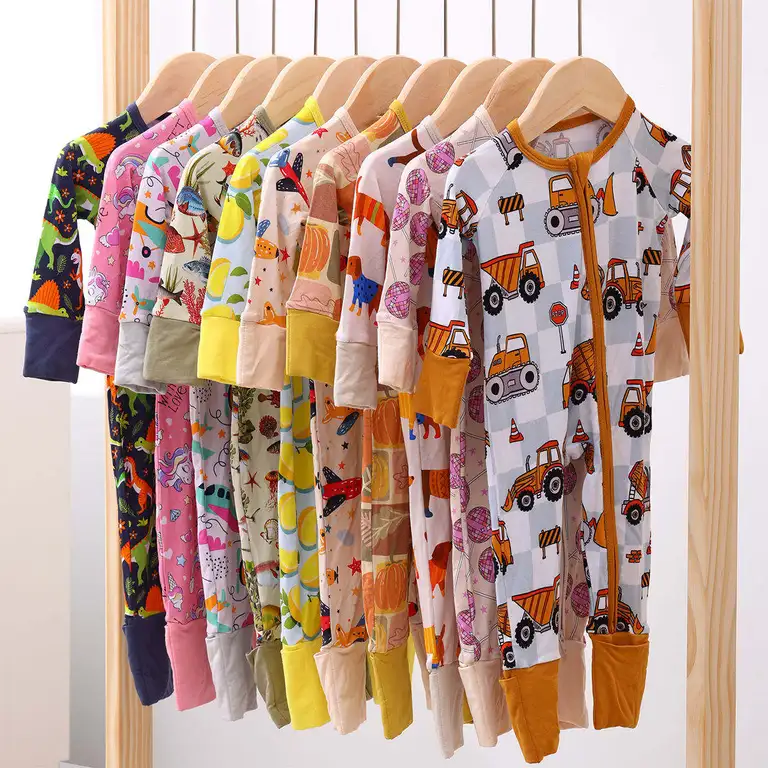
Evaluate the supplier’s capability to adhere to B2B clients’ customization needs. This can include private labeling, unique color schemes, or custom packaging to suit your brand identity.
5. Communication Transparency
Suppliers with clear and prompt communication channels are essential for establishing deadlines, resolving issues, and ensuring smooth logistics. Request sample orders to test their responsiveness and quality assurance processes.
Certifications and Compliance Standards
Compliance with industry standards is crucial for ensuring product safety and avoiding legal liabilities. Below are common certifications to consider when sourcing kids bamboo pajamas:
1. OEKO-TEX Standard 100
This globally recognized certification ensures the fabric is free from harmful chemicals and allergens, making it safe for children’s use.
2. Organic Certifications
The GOTS (Global Organic Textile Standard) certifies that the bamboo material is produced organically and follows strict social and environmental standards across all production processes.
3. CPSIA Compliance
In the US, children’s clothing must comply with the Consumer Product Safety Improvement Act (CPSIA). Ensure the supplier meets CPSIA standards related to flammability, lead, and phthalates.
4. REACH Compliance
If you are sourcing for the European market, ensure REACH compliance to confirm that products meet EU standards for chemical safety.
5. Supplier-Specific Certifications
Many reputable factories have additional certifications such as ISO 9001 (Quality Management) and BSCI (Business Social Compliance Initiative). These demonstrate adherence to high-quality and ethical production processes.
Cost Considerations When Sourcing
Pricing plays an integral role in B2B sourcing, and understanding cost breakdowns can help you maximize your profit margins. Factors influencing the pricing of kids bamboo pajamas include:
- Fabric Costs: Bamboo viscose production is typically more expensive than synthetic alternatives due to its eco-friendly processing methods.
- Volume Discounts: Larger order quantities often reduce per-unit pricing. Negotiate volume discounts with your supplier to optimize costs for bulk purchases.
- Customization Charges: Custom designs, private labeling, and custom packaging may incur additional fees.
- Shipping Costs: Consider lead times and import fees when negotiating shipping rates. Opt for Incoterms like FOB (Free on Board) or EXW (Ex-Works) based on your preferences and logistics capabilities.
- Tariffs and Duties: Understand tariffs associated with importing bamboo textiles into your country, particularly if sourcing from international suppliers.
When solidifying cost agreements, request detailed pro forma invoices that include a breakdown of all expenses to ensure transparency.
Shipping and Logistics Overview
Efficient handling of shipping and logistics is vital to maintain consistent delivery schedules. Here’s what you should focus on:
1. Shipping Terms
Understand Incoterms like FOB, CIF (Cost Insurance and Freight), or Delivered Duty Paid (DDP). DDP can simplify your sourcing process, as the supplier handles logistics and customs clearance, but it may come at a higher cost.
2. Warehousing and Inventory
If sourcing in bulk, ensure you have adequate warehousing and inventory storage arrangements. Consider partnering with third-party logistics (3PL) providers for optimal inventory management.
| Origin | PRC |
| Capability | Customized |
3. Lead Times
Confirm the supplier’s production and shipping lead times. Account for possible delays in sourcing, manufacturing, and customs clearance processes.
4. Freight Forwarders
Collaborate with established freight forwarders who specialize in your target region’s trade lanes and regulations. They can ensure the reliable transportation and handling of goods.
5. Returns and Replacements
Prepare a contingency plan for damaged or defective products. Confirm the supplier’s policies on returns and replacements to avoid disputes post-delivery.
Best Practices for Working with International Suppliers
When sourcing kids bamboo pajamas globally, it’s important to build strong working relationships with international suppliers. Follow these practices:
- Request Samples: Ensure the quality meets your specifications by requesting product samples before committing to bulk production.
- Sign Contracts: Develop comprehensive contracts outlining payment terms, production schedules, and quality standards to protect your business interests.
- Perform Factory Visits or Virtual Audits: Visit factories in person or request virtual tours to evaluate their production capabilities and workplace conditions.
- Establish Clear Communication: Use email, video calls, and dedicated sourcing platforms for regular communication to stay updated on production progress.
- Negotiate Payment Terms: Protect your financial interests by negotiating favorable payment terms, such as a 30% deposit before production and 70% upon delivery.
Kids bamboo pajamas in a two-piece design offer a lucrative opportunity for B2B businesses in the clothing industry. To succeed in sourcing these products, you must prioritize quality, sustainability, and compliance with relevant certifications. Evaluate suppliers based on their industry experience, manufacturing capacity, and transparency. Additionally, carefully consider pricing, shipping logistics, and effective collaboration with international suppliers. By adhering to this guide, you can ensure a seamless sourcing process, deliver premium-quality products to your customers, and maximize your business growth in the competitive children’s apparel market.