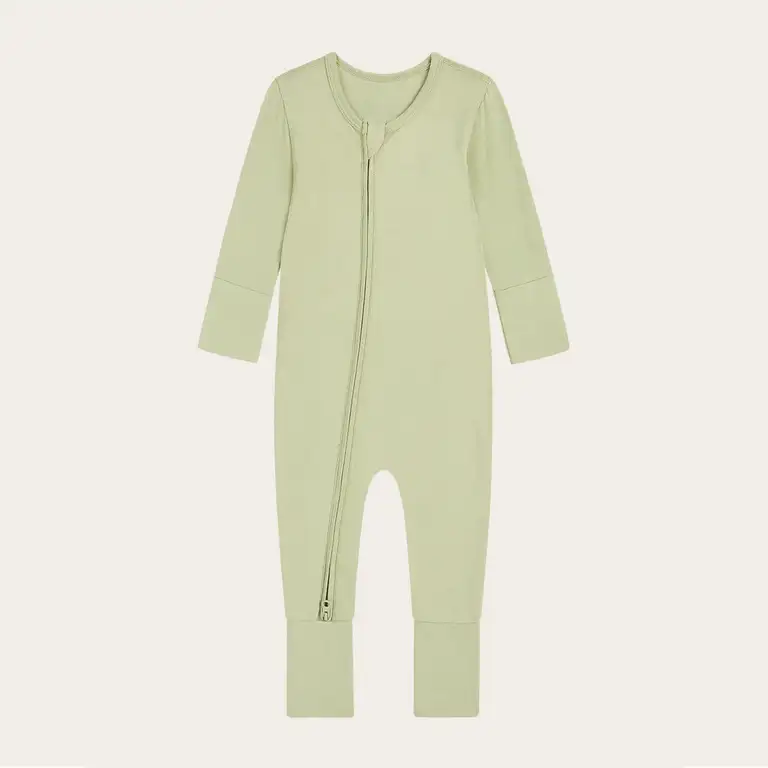
B2B ODM Leading Kids Pajamas Bamboo Factory
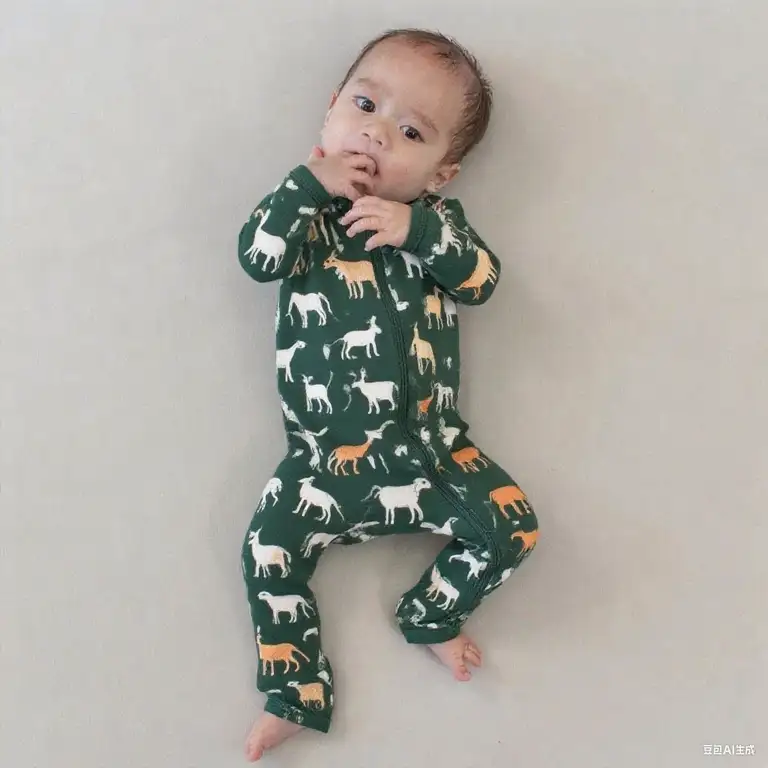
An Essential Guide to Sourcing Kids Bamboo Pajamas for B2B Buyers
As sustainability takes center stage, businesses are actively looking for eco-friendly and high-quality products to meet market demands. Kids' pajamas made from bamboo have emerged as a popular choice for their natural, breathable, and sustainable qualities. For B2B buyers, understanding how to source these pajamas effectively can result in improved margins, better customer satisfaction, and solid eco-credentials. This guide provides B2B buyers with critical insights into sourcing kids bamboo pajamas, from evaluating materials to finding reliable suppliers and managing logistics.
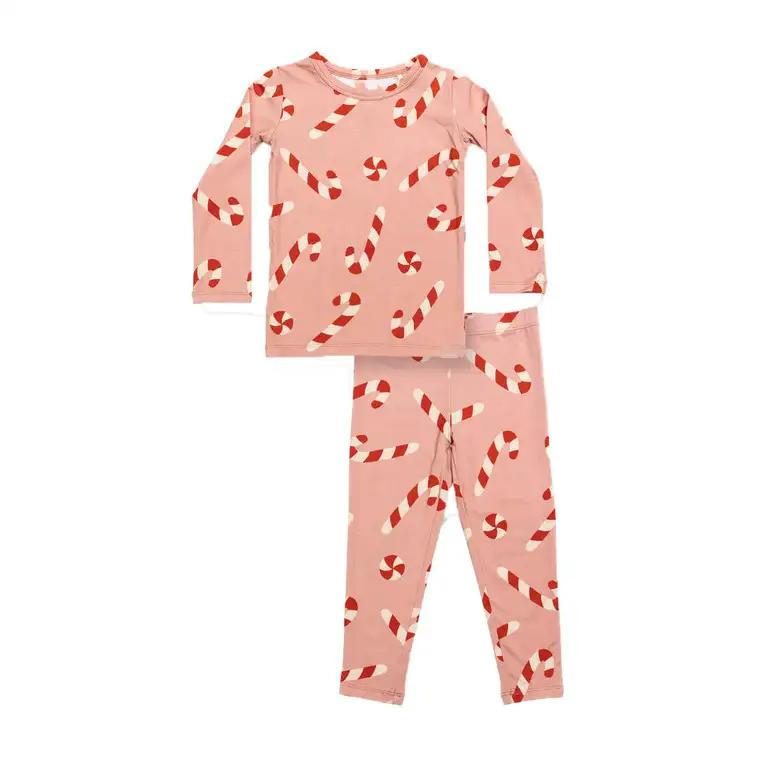
Understanding Bamboo Fabric for Kids’ Pajamas
Bamboo fabric has become a game-changer for apparel due to its versatile features, especially when manufacturing kids’ sleepwear. Here’s why:
1. Sustainable and Eco-Friendly Material
Bamboo is one of the fastest-growing renewable resources. Its cultivation does not require harmful pesticides, making it an environmentally responsible choice. Producing bamboo fabrics typically requires less water than growing cotton, significantly reducing the environmental impact.
2. Hypoallergenic and Gentle
Bamboo fabric is ultra-soft yet durable, making it ideal for kids' clothes. Its hypoallergenic properties reduce the risk of irritation or allergic reactions, which is a major concern for parents. Unlike synthetic fabrics, it wicks moisture away, ensuring the wearer stays dry and comfortable.
3. Durability with Minimal Environmental Impact
Bamboo textiles are known for their strength and elasticity, making them ideal for children's pajamas that sustain wear and tear. , bamboo products are biodegradable when disposed of, aligning with a circular economy.
Steps to Source Kids’ Bamboo Pajamas Wholesale
1. Research the Market Demand
Begin by pinpointing your target audience and understanding market demands. Consider market factors such as sustainability trends, year-round suitability of bamboo fabric, and specific buyer preferences such as designs, sizes, or eco-certifications. Analyzing current competitors offering similar products will also shed light on how to align your offering.
2. Identify the Right Bamboo Fabric
The quality of bamboo fabric can vary. Here are some important considerations:
- Bamboo Viscose: The most common type of bamboo fabric used in pajamas. It is lightweight, soft, and has moisture-wicking properties.
- Bamboo Lyocell: Produced under closed-loop manufacturing processes, this variant is more eco-friendly.
- Fabric Blends: Many manufacturers blend bamboo with cotton, spandex, or polyester to enhance stretch and durability. Be sure to confirm the percentage of bamboo in the blend.
3. Vet Potential Manufacturers
Finding the right manufacturer or supplier is critical to maintaining product quality and margins. Follow these steps to locate a reliable partner:
- Use B2B platforms like Alibaba, Global Sources, or Made-in-China to find manufacturers specializing in bamboo textiles.
- Ensure suppliers have experience in producing kids' garments and can adhere to safety requirements for children's sleepwear (e.g., flammability standards).
- Request product samples to confirm quality before committing to a bulk order.
- Evaluate certifications such as OEKO-TEX, GOTS (Global Organic Textile Standard), or FSC certification, which confirm eco-friendly and sustainable production practices.
- Verify the manufacturer’s production capacity to meet your order volumes, especially during peak seasons.
4. Consider Private Labeling
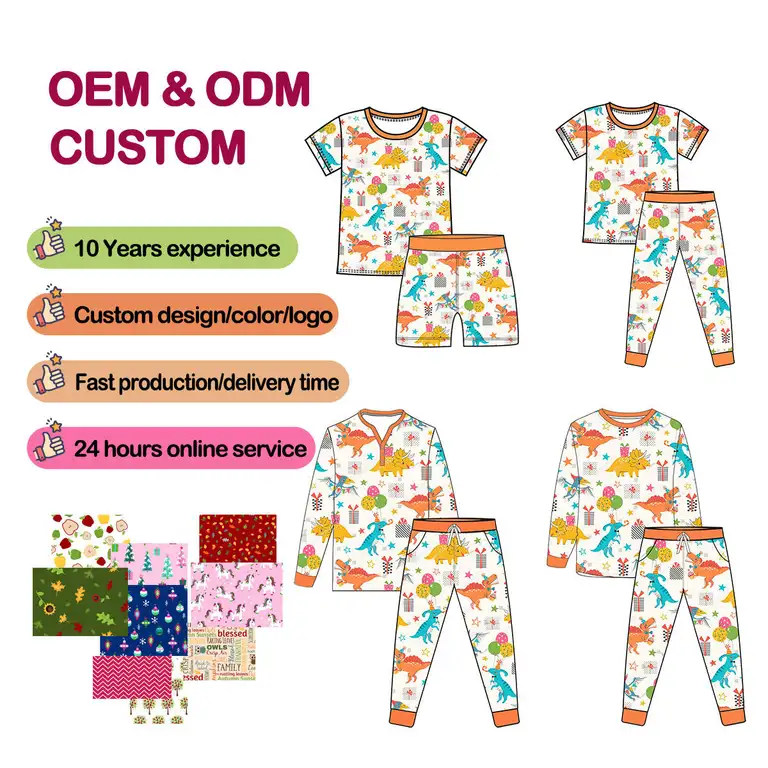
Many B2B buyers opt for private labeling to promote their brand. Confirm with the supplier if they provide customization options for branding, which can include:
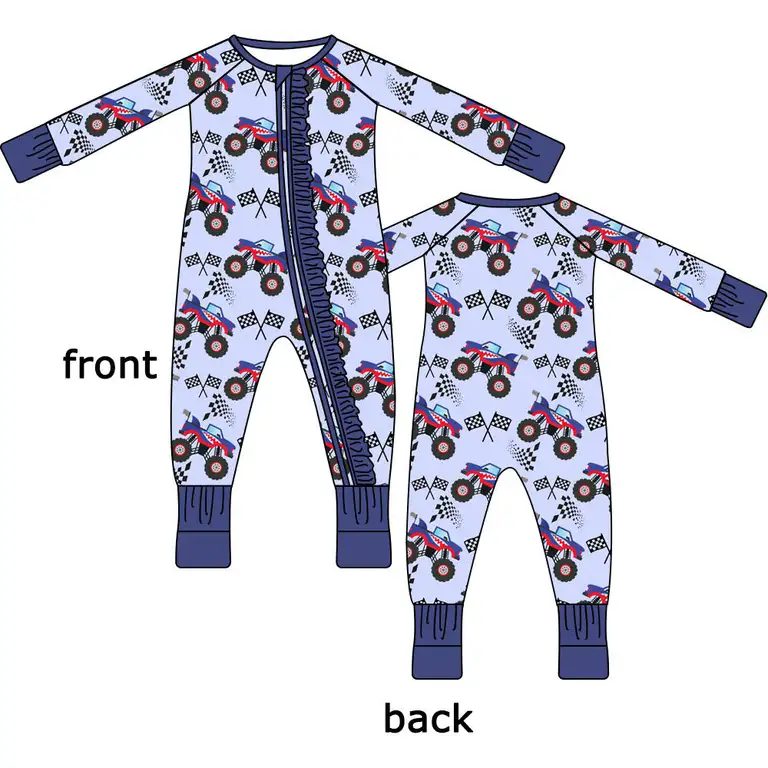
- Customizing designs, patterns, or color schemes to align with your brand image.
- Adding logos and packaging customization for better shelf appeal.
- Creating size inclusivity, catering to your target demographic.
5. Check Compliance with Regulations
All children’s products, including sleepwear, must adhere to stringent safety regulations. As a B2B buyer, ensure your sourced kids’ bamboo pajamas meet the standards in your region:
- USA: Children’s sleepwear must comply with the Consumer Product Safety Commission’s (CPSC) flammability standards under the 16 CFR Part 1615 and Part 1616 guidelines.
- EU: Follow EN 71 (Safety of Toys) and REACH regulations to ensure chemical safety and labeling compliance.
- Labeling Laws: Ensure that all care instructions, materials, and age group information are accurately labeled to meet consumer law requirements.
Managing Logistics and Costs
1. Pricing and MOQ (Minimum Order Quantity)
When sourcing bamboo kids sleepwear, pay attention to the supplier’s pricing structure and MOQ policies. MOQ varies significantly by supplier, with some requiring bulk orders of up to 1,000 units. Request detailed quotes that include unit costs, manufacturing lead times, and shipping terms (e.g., FOB, CIF).
2. Inventory Management
Optimizing inventory management is crucial when dealing in seasonal products like kids’ pajamas. Here’s how to tackle inventory efficiently:
- Analyze seasonal demand forecasts to avoid overstocking or understocking.
- Negotiate flexible contracts with your manufacturer to scale production up and down as needed.
- Consider using third-party logistics (3PL) providers to manage warehousing and order fulfillment.
3. Shipping and Customs
Roles in logistics and shipping can greatly impact your budget and timelines. Work with freight forwarding companies to navigate international shipping restrictions, custom tariffs, and delivery timelines. , confirm that all shipping arrangements meet Free on Board (FOB) or Cost, Insurance, and Freight (CIF) requirements, depending on your negotiation with the supplier.
Marketing Bamboo Kids Pajamas to Retailers
After securing a supply chain, focus on how to sell your kids bamboo pajamas to retailers. Highlight the following attributes:
1. Sustainability Benefits
Retailers are increasingly drawn toward sustainable products that appeal to eco-conscious consumers. Provide marketing materials that showcase the eco-friendly elements of bamboo clothing, including certifications and reduced carbon footprint.
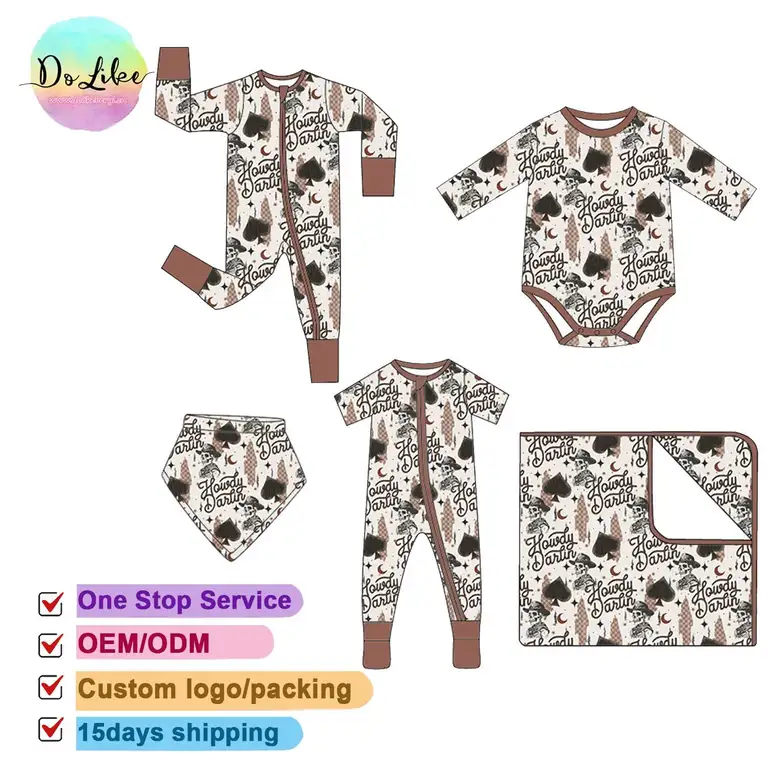
2. Health and Comfort
Stress that bamboo pajamas are hypoallergenic, breathable, and moisture-wicking. Use labels and print literature to communicate these advantages clearly on the retail shelf.
3. Customization Options
Offer retailers flexibility when it comes to branding. Show how private-label packaging or custom designs can be tailored to their audience, helping them stand out in a competitive market.
| Origin | PRC |
| Capability | Customized |
4. Encourage Upselling Opportunities
Pair kids’ bamboo pajamas with complementary products like bamboo baby blankets, bamboo socks, or bathrobes. Bundling options can help retailers drive higher sales volumes.
Sourcing kids’ bamboo pajamas for B2B purposes requires a combination of market research, reliable manufacturing partnerships, and robust logistics planning. Prioritize quality and sustainability certifications to ensure compliance with regulations and market preferences. Effective supplier vetting and efficient inventory management are crucial for keeping costs under control while ensuring timely delivery. By following this guide, buyers can establish a seamless supply chain and position themselves competitively in the growing eco-friendly children’s clothing market.