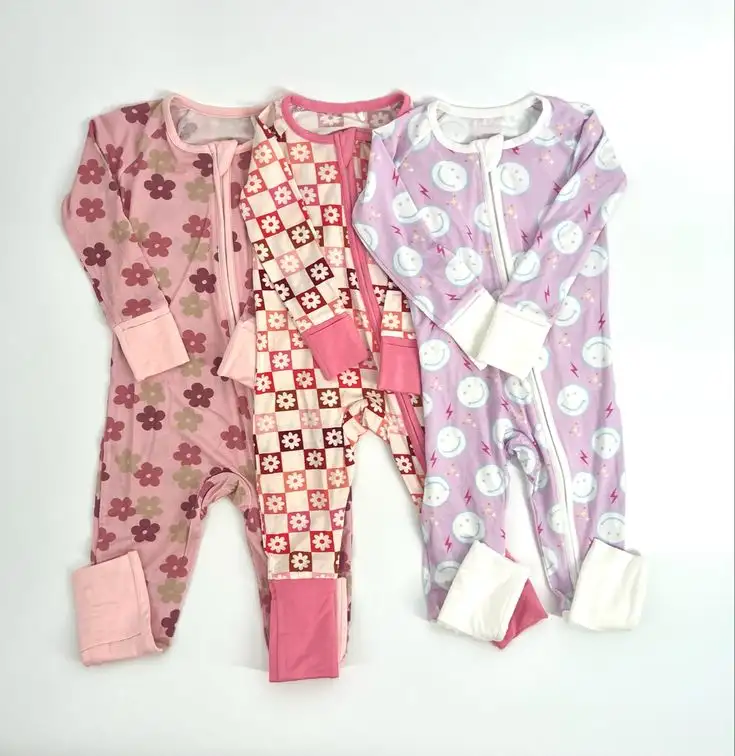
Factory Wholesale Top Solid Pattern Baby Romper Supplier
The Essential Guide to Sourcing Solid Pattern Baby Rompers for B2B Buyers
In the competitive world of baby apparel, solid pattern baby rompers stand out for their simplicity and widespread appeal. These versatile garments are a staple in infant fashion, making them a reliable product for retailers. As a B2B buyer, understanding how to source high-quality solid pattern baby rompers efficiently can significantly impact your business success. This guide delves into key considerations and strategies for sourcing these garments, ensuring you meet consumer demands and maintain profitability.
Understanding Fabric and Material Specifications
When sourcing baby rompers, fabric choice is paramount. Solid pattern rompers should be made from materials that guarantee comfort, durability, and safety. Cotton and organic cotton are preferred due to their softness and breathability. Here are essential fabric qualities to consider:
- Organic Cotton: Grown without harmful chemicals, organic cotton is gentle on an infant's sensitive skin. Ensure suppliers provide certifications like the Global Organic Textile Standard (GOTS).
- Blends: Sometimes, cotton is blended with materials like spandex for added stretch and ease of movement, ideal for active infants.
- Weight and Weave: Fabric weight influences warmth and durability. A medium-weight knit provides both comfort and durability, while an interlock weave offers extra strength.
When evaluating potential vendors, request fabric samples to assess these characteristics. The right material blend enhances the romper's appeal, potentially boosting sales.
Design and Safety Compliance
Design simplicity doesn’t negate the need for stringent quality and safety checks. Baby rompers must adhere to regulatory standards to ensure safety and comfort for infants. Key design and safety aspects include:
- Snap Closures: Ensure snaps are securely attached and free from sharp edges to prevent any harm to the baby.
- Seam Construction: Flat seams reduce the risk of irritation on an infant’s skin.
- Labeling: Compliance with labeling laws is crucial. Labels should be clear, specifying size, materials, and care instructions.
In addition, familiarize yourself with relevant safety standards such as the Consumer Product Safety Improvement Act (CPSIA) in the U.S. or EN 71 and REACH compliance in Europe. These regulations cover everything from flammability to chemical content, ensuring products are safe for infant use.
Sustainable and Ethical Sourcing Practices
The demand for sustainably sourced products has reached the babywear sector, with consumers increasingly looking for brands that demonstrate environmental responsibility. Here’s how you can incorporate sustainability into your sourcing strategy:
- Traceable Supply Chains: Work with suppliers who offer transparency in their production processes and material sourcing.
- Fair Trade Practices: Engage with manufacturers who adhere to equitable labor practices, ensuring fair wages and safe working conditions.
- Environmental Impact: Choose vendors who implement eco-friendly practices, such as using low-impact dyes and energy-efficient production methods.
Verify these claims through certifications or audits. Collaborating with suppliers who share your values not only meets consumer expectations but also strengthens brand trust.
Evaluating Supplier Capabilities and Reliability
Partnering with reliable manufacturers is imperative for a stable supply chain. Consider the following when vetting potential suppliers:
- Manufacturing Capacity: Assess whether the supplier can meet your volume requirements, especially during peak seasons.
- Quality Control: Investigate their quality assurance processes to minimize the risk of defects.
- Lead Times and Flexibility: Clear communication about lead times is vital. A flexible supplier can accommodate changes in demand.
- Communication Efficacy: Efficient communication ensures smoother transactions and faster problem resolution.
Request references and visit manufacturing sites if possible. A strategic partnership with the right supplier mitigates risks and enhances operational efficiency.
Navigating Pricing and Negotiation Strategies
Pricing is a critical component in maintaining competitive advantage. Understanding market trends and having good negotiation skills can help secure better deals:
- Market Research: Conduct thorough research to understand current market rates and price points of competitors.
- Volume Discounts: Negotiate for bulk purchase discounts without compromising on quality.
- Long-Term Contracts: Consider entering long-term agreements for consistent supply and preferential pricing.
Price should not be the sole focus; ensure the cost aligns with product quality to avoid compromising brand reputation.
Shipping and Logistics Optimization
Efficient shipping and logistics are crucial in ensuring timely delivery and minimizing costs. Key considerations include:
- Shipping Methods: Choose between air, sea, or land based on urgency and cost. Air is faster but more expensive, while sea is cost-effective for large shipments.
- Customs and Duties: Be aware of import regulations and duties in your destination country to avoid unexpected costs.
- Inventory Management: Utilize software to track inventory levels and anticipate reorder needs, reducing the risk of overstocking or stockouts.
Choose a logistics partner with a proven track record to enhance efficiency and reliability in delivery.
Leveraging Technology for Sourcing Efficiency
Technology streamlines sourcing by enhancing efficiency and accuracy in the procurement process. Consider adopting the following tools:
| Origin | PRC |
| Capability | Customized |
- E-Procurement Platforms: Utilize platforms that offer comprehensive supplier databases, enabling easier comparison and selection.
- Data Analytics: Leverage data analytics for insights into sourcing trends, supplier performance, and cost optimization.
- Supply Chain Management Software: Implement software to manage order processing, logistics, and inventory more effectively.
The integration of these technologies can significantly reduce manual effort and improve decision-making capabilities, ultimately enhancing your sourcing strategy.
, sourcing solid pattern baby rompers for your business involves a multifaceted approach. By paying attention to material quality, design compliance, sustainability, and supplier reliability, while also optimizing pricing, logistics, and technology use, you can ensure a successful procurement process. These considerations will help you meet market demands effectively, maintaining your competitive edge in the baby apparel industry.