Winter Romper Kid Company Verified B2B Base
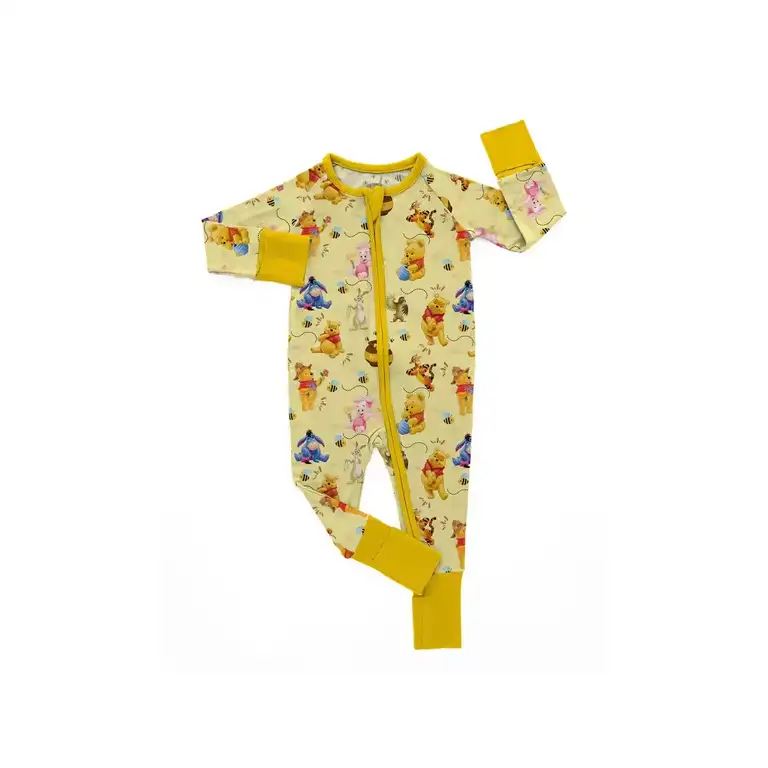
Introduction to Sourcing Winter Rompers for Kids
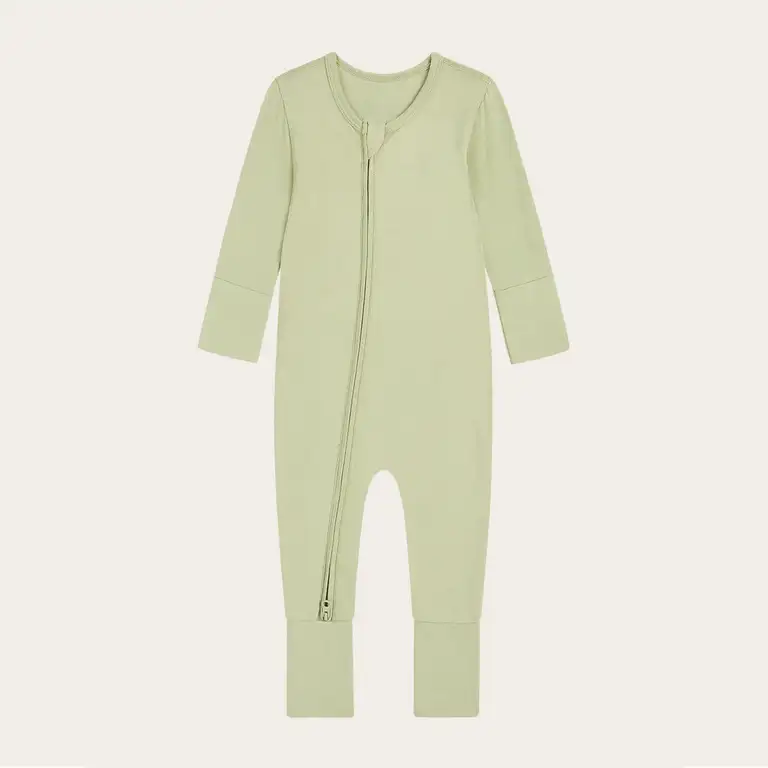
As winter approaches, parents start hunting for warm, comfortable, and durable clothing for their children. Winter rompers for kids have become a staple in cold-weather wardrobes due to their practicality and versatility. For businesses in the children's wear market, understanding how to source winter rompers efficiently can contribute to greater profit margins, customer satisfaction, and market competitiveness. This guide provides insights into the sourcing process and helps B2B buyers navigate the critical steps to finding high-quality products at the right price.
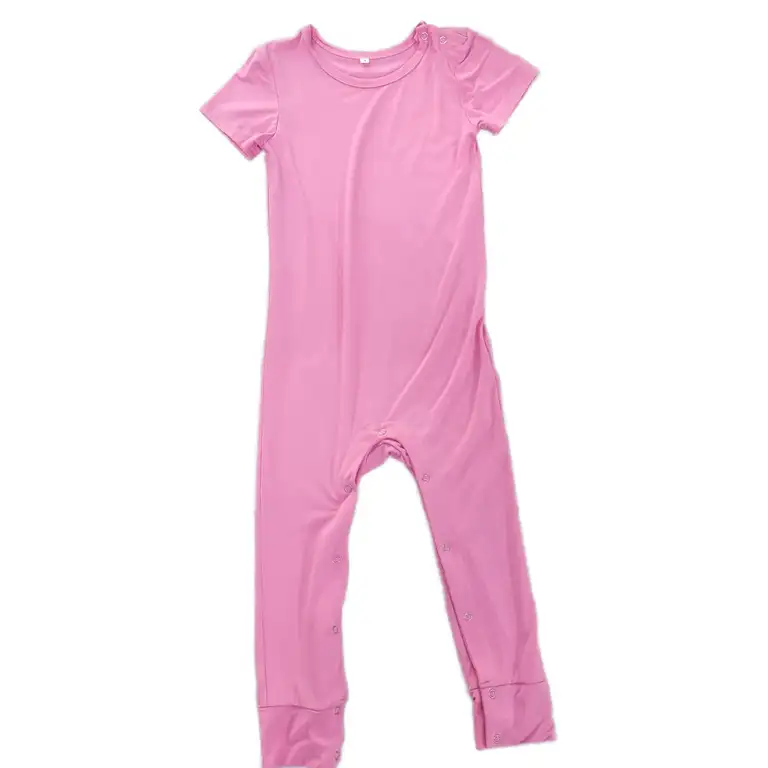
Key Fabric Considerations for Winter Rompers
One of the most important aspects of sourcing winter rompers is ensuring the materials are suitable for cold weather while maintaining a high standard of comfort and safety for children. Below are essential fabric considerations to take into account:
Thermal-Insulated Fabrics
Look for materials with excellent thermal insulation properties, such as fleece, Sherpa-lined cotton, or quilted polyester. These fabrics trap heat and keep children warm during colder months, and they are ideal for layering without adding excessive bulk. Suppliers specializing in specialty cold-weather fabrics tend to offer robust, long-lasting options.
Hypoallergenic Properties
Children’s skin is sensitive, so it's vital to source rompers made from hypoallergenic materials. Organic cotton and bamboo blends are popular choices as they minimize skin irritation and allergic reactions. Verify that your suppliers adhere to certifications like OEKO-TEX Standard 100, which guarantees textile safety.
Durability and Washability
Parents prefer winter rompers that can withstand multiple washes without pilling, shrinking, or fading. Fabrics like blended cotton-polyester or nylon are durable and easy to maintain. When in discussion with your supplier, inquire about fabric performance standards, including wash resistance testing.
Waterproof and Windproof Options
For wetter or windier climates, sourcing rompers with waterproof or windproof membranes is critical. Materials such as coated polyester or laminates offer additional protection against rain or snow. Select suppliers experienced in weather-resistant fabrics to avoid compromising quality.
Assessing Quality-Control Standards
Maintaining quality is essential for customer satisfaction and long-term business success. Ensure the suppliers you work with adhere to strict manufacturing and quality-control practices by evaluating the following criteria:
Material Certifications
Request product certifications that affirm safety and quality. These may include GOTS (Global Organic Textile Standard), OEKO-TEX, or CPSIA (Consumer Product Safety Improvement Act) compliance. Certifications demonstrate that the supplier meets internationally recognized safety and ethical standards.
In-House Testing Capabilities
Suppliers that conduct in-house testing can identify issues such as fabric tearing, zipper malfunctions, or poor thermal insulation before mass production. Audit their quality assurance processes to ensure they screen for any potential defects.
Sample Verification
Always request product samples before placing large orders. Samples allow you to assess the material, stitching, and product quality. Use this opportunity to test durability and comfort, ensuring the romper meets your business’s quality expectations.
Customization and Design Options
Offering a variety of designs and customization options is key to standing out in the competitive children’s apparel market. Here’s what to look for when discussing design flexibility with suppliers:
Custom Prints and Colors
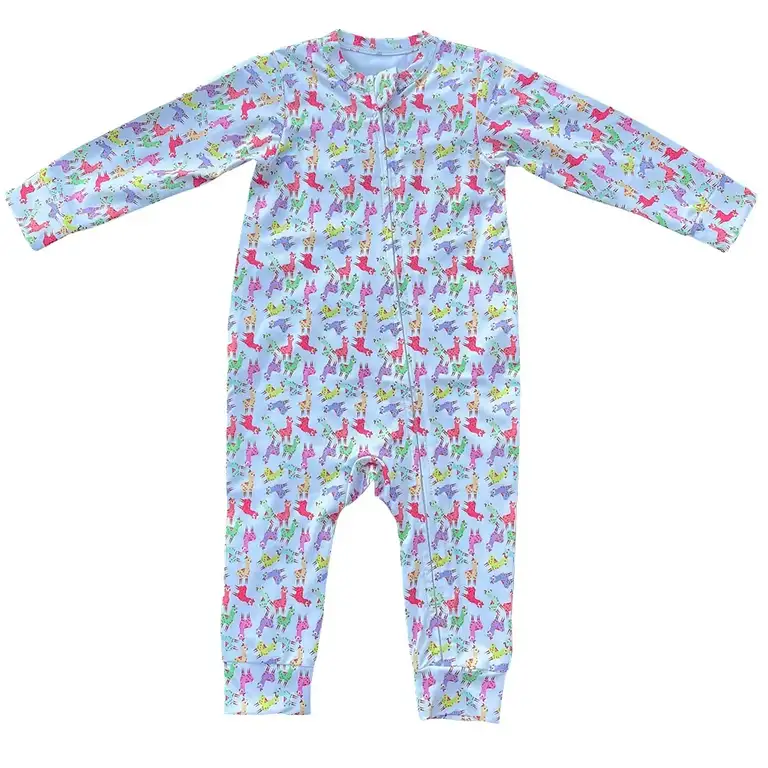
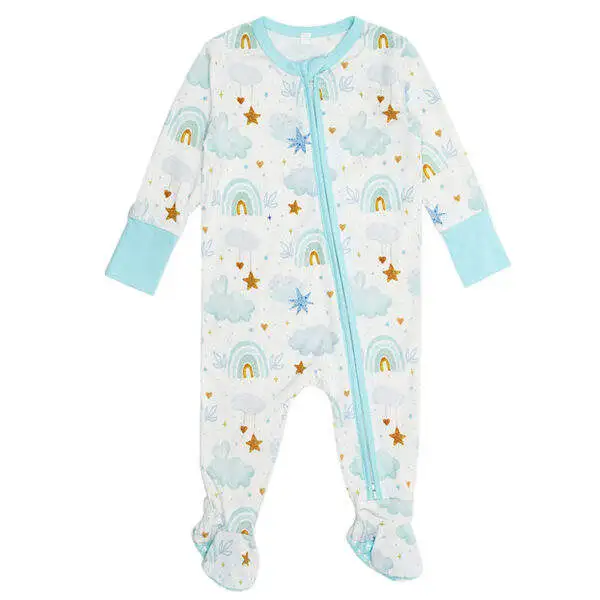
Suppliers should be able to provide an array of vibrant colors and playful designs that appeal to children and parents alike. Digital printing technology can allow for high-quality custom patterns without a significant increase in production cost.
Seasonal Features
A winter romper should cater to specific seasonal needs, like extra padding, hooded designs, and decorative yet functional details such as faux fur trims or insulated pockets. Discuss seasonal trends with your supplier to ensure product designs align with current market demands.
Private Labeling
Many B2B buyers seek private labeling services to build their brand identity. Choose suppliers who offer private labeling, custom tags, embroidery options, or packaging solutions to create a cohesive and professional look for your product line.
Supplier Selection Process
Sourcing the right supplier is a critical step in the manufacturing process. This section outlines how to evaluate suppliers based on essential criteria to ensure a reliable and productive partnership.
Experience in Children’s Apparel
Partner with suppliers who specialize in manufacturing children’s clothing or have prior experience producing winter wear for kids. Their expertise can help you navigate industry standards and anticipate potential challenges in product development.
Production Capacity
Evaluate the supplier's production capacity to ensure they can handle your order volumes. For bulk orders, inquire about lead times and determine whether the supplier can meet your timeline without sacrificing quality or consistency.
Factory Compliance
The ethical standards of your supplier’s factory can impact your brand reputation. Ensure the factories comply with labor laws and industry standards, such as WRAP (Worldwide Responsible Accredited Production) certification or similar measures. Factory audits can help confirm these compliance levels.
Samples and Prototypes
Suppliers who offer prototype development can collaborate with you to refine designs before moving to full production. This process minimizes risks and ensures the final product aligns with your specifications.
Cost Management Strategies
Sourcing winter rompers for kids is not just about finding good suppliers—it’s about securing the highest return on your investment. Here’s how B2B buyers can better manage costs:
Negotiating Bulk Discounts
Suppliers often offer significant discounts for bulk purchases. If you plan on ordering larger quantities of winter rompers, negotiate pricing based on your anticipated purchase volume to benefit from economies of scale.
Streamlining the Supply Chain
Reduction in logistics costs is possible by working with suppliers located closer to your market. Evaluate shipping and customs charges to find the most cost-effective shipping solutions for your business.
| Origin | PRC |
| Capability | Customized |
Material Sourcing Flexibility
Discuss with your supplier about alternative fabrics or materials that still meet your quality standards but may come at a lower cost. Hybrid blends can sometimes offer a cost-effective solution while maintaining the necessary qualities for winter rompers.
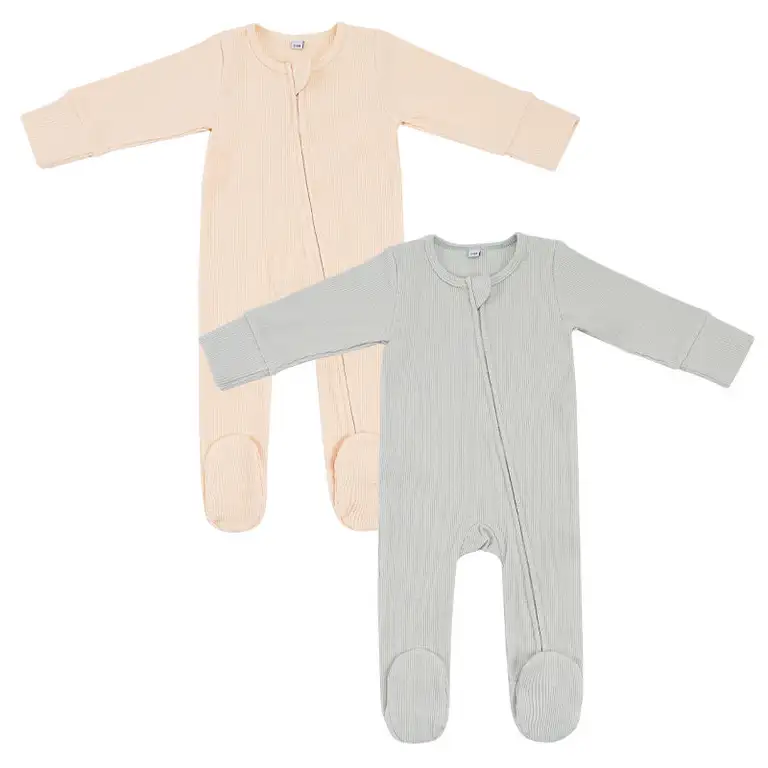
Shipping, Logistics, and Inventory Considerations
Efficient logistics play a key role in the profitability and timely delivery of winter romper products. Consider the following strategies to streamline logistics:
Freight and Shipment Tracking
Choose suppliers who provide clear freight solutions and real-time tracking for shipments. Work with 3PL companies if your supplier doesn’t offer end-to-end logistics services.
Seasonal Inventory Planning
Predicting demand during peak seasons is essential to avoid stockouts or overstock scenarios. Collaborate with suppliers who can adjust production schedules based on your order forecasting to optimize inventory management.
Packaging Standards
Discuss packaging options with your suppliers to minimize waste and promote branding. Opt for eco-friendly packaging that aligns with modern consumer trends and environmental regulations.
and Next Steps
Sourcing winter rompers for kids requires a strategic approach to ensure quality, affordability, and reliability. By paying close attention to fabric selection, quality assurance, design flexibility, supplier evaluation, and logistics, B2B buyers can position themselves for success in the competitive children’s apparel market. Start by researching and shortlisting suppliers, requesting product samples, and solidifying relationships with reliable manufacturing partners. With proper planning and execution, your business can offer high-quality winter rompers that delight your customers and elevate your brand.