Wholesale Custom Bamboo Baby Pajamas China Manufacturer Supplier OEM
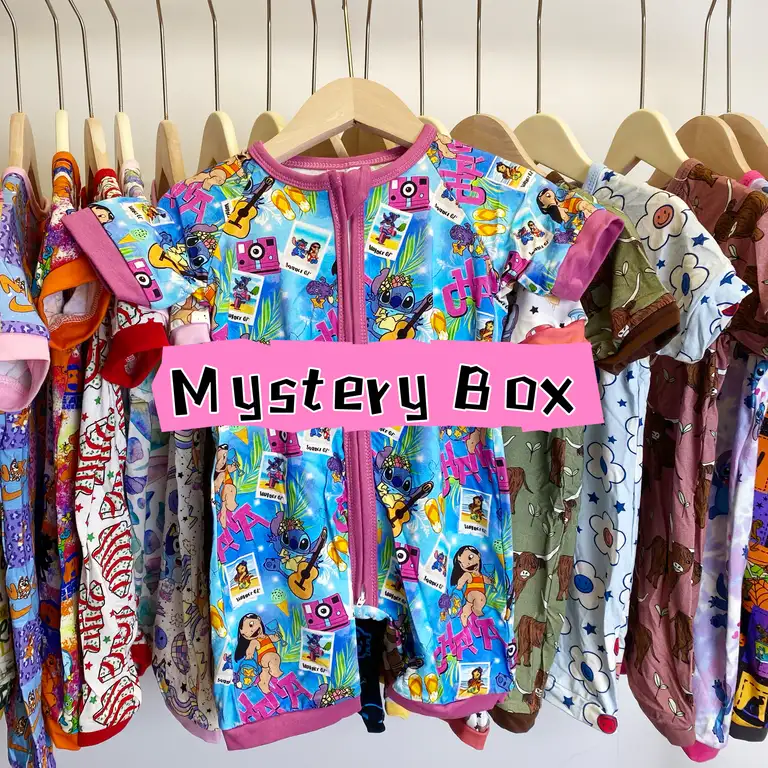
The production and distribution of custom Bamboo Baby Pajamas demand stringent adherence to safety, quality, and regulatory frameworks. Stakeholders in the custom Bamboo Baby Pajamas B2B Export Quality market must ensure compliance with all applicable laws such as the Consumer Product Safety Improvement Act (CPSIA) and testing protocols, including pull-tests, to mitigate legal risks and maintain product integrity.

CPSIA Compliance: Essential Directives for custom Bamboo Baby Pajamas
CPSIA compliance is non-negotiable when dealing with children's apparel like custom Bamboo Baby Pajamas. Key mandates apply to chemical content, physical properties, and labeling requirements. Fabrication of custom Bamboo Baby Pajamas B2B Export Quality demands awareness of the following regulations:
- Lead Content Testing: Garments must meet strict limits on lead content in substrates and surface coatings. Total lead content must not exceed 100 ppm for any accessible component.
- Phthalates Compliance: Phthalates in plastic or rubberized components, if present in custom Bamboo Baby Pajamas, must remain below 0.1%, in accordance with CPSIA standards.
- Tracking Information: Each unit must include permanent tracking labels with manufacturer details, production batch numbers, and date codes to aid consumer transparency.
Manufacturers of custom Bamboo Baby Pajamas must provide Children's Product Certificates (CPCs) that document laboratory testing from an accredited CPSC-approved facility. This not only ensures legal compliance but reinforces buyer confidence in custom Bamboo Baby Pajamas B2B Export Quality.
Pull-Testing Standards for custom Bamboo Baby Pajamas
Physical safety tests like pull-tests are critical for children's clothing to mitigate risks of choking hazards from detachable components. The pull-test evaluates the mechanical strength of buttons, snaps, zippers, and other fasteners used in custom Bamboo Baby Pajamas to ensure they meet mandated resistance thresholds.
A pull force of at least 15 pounds is recommended for fasteners on custom Bamboo Baby Pajamas. This aligns with the testing procedures laid out in ASTM F963 and EN 71-1 standards. The following are key aspects to incorporate during pull-testing:
- Sample Size: AQL 2.5 standards should dictate the number of samples selected for testing. For a high-volume production run of 50,000 units of custom Bamboo Baby Pajamas, pull-test samples should proportionally represent the entire batch.
- Testing Procedures: Attach a dynamometer to each component and exert consistent force perpendicular to the garment's surface until the set threshold is reached or the component detaches.
- Material Integrity: All layers and stitching of the custom Bamboo Baby Pajamas must sustain the tensile stress applied during the pull-test without tearing or fraying.
Regular pull-testing assessments reduce the risk of product recalls and non-compliance penalties, ensuring that your custom Bamboo Baby Pajamas B2B Export Quality stand out in the market as rigorously vetted products.
Labeling and Marking Protocols for custom Bamboo Baby Pajamas
Specific labeling protocols apply to children’s apparel under CPSIA. For custom Bamboo Baby Pajamas, these guidelines focus on multiple details to ensure lawful marketability:
- Fire Safety Labels: Nightwear for children up to size 14 must either meet flammability standards as detailed in 16 CFR Part 1615 or be labeled with a clear warning of insufficient flame resistance.
- Non-Toxic Material Declaration: Bamboo fabrics in custom Bamboo Baby Pajamas must be tested to confirm that no harmful chemical residues exist from processing, including azo dyes and formaldehyde.
- Country of Origin: Accurate disclosures of the country where the custom Bamboo Baby Pajamas B2B Export Quality pieces were manufactured must be permanently marked.
Poorly marked products can face hold-ups at customs, additional financial charges, and loss of retailer partnerships. These risks are avoidable with proactive adherence to labeling mandates for custom Bamboo Baby Pajamas.
Legal Risks in Failing Compliance for custom Bamboo Baby Pajamas
Avoiding legal liability when selling custom Bamboo Baby Pajamas requires vigilant compliance with all safety and labeling laws. Several key risks arise if your business fails to meet these regulations:
- Product Recalls: Non-compliance with CPSIA standards can trigger product recalls. Any failure in lead or phthalate compliance in custom Bamboo Baby Pajamas exposes businesses to substantial financial loss and reputational damage.
- Customs Seizures: Non-compliant custom Bamboo Baby Pajamas B2B Export Quality shipments are at risk of being detained or destroyed at customs in importing countries.
- Litigation Risks: Choking incidents due to weak fasteners or the use of toxic substances can lead to significant legal action and liability judgments against the manufacturer of custom Bamboo Baby Pajamas.
To mitigate exposure to such risks, rigorous internal compliance audits are essential. Implement mandatory pre-shipment inspections for all custom Bamboo Baby Pajamas B2B Export Quality, covering CPSIA-mandated aspects, physical integrity, and labeling correctness.
Recommendations for Material Sourcing in custom Bamboo Baby Pajamas
Sourcing safe and sustainable materials is pivotal for producing custom Bamboo Baby Pajamas. Selecting certified bamboo fabric ensures conformity with environmental and chemical safety requirements. Key certifications to seek include:
- OEKO-TEX Standard 100 Certification: Guarantees that bamboo fabric in custom Bamboo Baby Pajamas is free from harmful substances and safe for infant skin.
- Global Organic Textile Standard (GOTS): Certifies that organic and environmentally sustainable practices were followed in the production of fibers used in custom Bamboo Baby Pajamas B2B Export Quality.
- FSC Certification: Ensures that all bamboo used derives from responsibly managed forests that adhere to ecological and social certifications.
Non-certified materials may jeopardize customer trust in your custom Bamboo Baby Pajamas, as well as expose you to violations of CPSIA chemical safety rules.
Quality Production Standards for custom Bamboo Baby Pajamas
Producing custom Bamboo Baby Pajamas that meet export quality standards necessitates implementing rigorous quality assurance protocols. These should span the supply chain, integrating both prevention-based and detection-based mechanisms, including:
- Lockstitch Precision: All seams in custom Bamboo Baby Pajamas should use lockstitch technology to prevent thread breakage during wear, reducing consumer claims of product failure.
- Stitch Density Testing: A minimum density of 10-12 stitches per inch is recommended for bamboo fabric to avoid tearing during routine use.
- Pre-Shrinkage Treatments: Raw bamboo fabric used in custom Bamboo Baby Pajamas must undergo pre-shrinkage washing to prevent excessive shrinkage post-sale, which can breach end-consumer expectations.
Quality failures in custom Bamboo Baby Pajamas B2B Export Quality production compromise your margins and can lead to expensive returns or litigation. Committing to these production standards is essential for risk aversion and long-term operational success.
Testing Methods for Chemical Standards in custom Bamboo Baby Pajamas
Several testing methodologies exist to ensure custom Bamboo Baby Pajamas meet chemical safety standards set by CPSIA and importing jurisdiction requirements:
- Solvent Extraction for Phthalates: Verifies the absence of harmful plasticizers, specifically in flexible components like elastic bands in custom Bamboo Baby Pajamas.
- Atomic Absorption Spectrometry (AAS): Determines trace lead content in zippers, buttons, and painted designs commonly found in custom Bamboo Baby Pajamas B2B Export Quality.
- Enzyme Testing for Formaldehyde: Ensures bamboo fibers were processed without exceeding safe formaldehyde thresholds for infant apparel.
Collaborating with certified third-party labs is critical to achieving timely testing results and documentation. Fastidious attention here ensures your custom Bamboo Baby Pajamas meet consumer protection standards globally.
Regulatory Oversight on Import and Export for custom Bamboo Baby Pajamas
International distribution of custom Bamboo Baby Pajamas B2B Export Quality requires complying with diverse import/export regulations. Key factors to monitor include:
| Eco Index | 91% Certified |
| Lead Time | 34 Days |
| Quality Audit | TUV |
| Premier Category Metric | Western Rts Bamboo |
| Base Composition | Pima 732nd Gen |
| Technical Production Zone | Bamboo Pajamas Wholesale Kids Bigbamboo Mystery Box |
- Harmonized System (HS) Codes: Proper classification of products such as custom Bamboo Baby Pajamas ensures correct duties and tariffs, reducing financial discrepancies.
- Customs Declarations: All shipments of custom Bamboo Baby Pajamas B2B Export Quality must include CPC documentation and testing certificates for seamless clearance processes.
- Restricted Substances Lists (RSLs): Align export compliance to the RSLs of target countries to avoid potential market bans, particularly within the EU and North America.
Scrutiny over customs and trade rules ensures that your custom Bamboo Baby Pajamas maintain credibility and continuous accessibility to key international markets.
Traceability and Transparency in custom Bamboo Baby Pajamas
Maintaining traceability is a foundational requirement for an ethical custom Bamboo Baby Pajamas B2B Export Quality business model. Internal audits and transparent record-keeping equip your supply chain with the ability to meet modern consumer expectations and reduce regulatory challenges. Critical traceability initiatives include:
- Batch-Level Tracking: All production batches of custom Bamboo Baby Pajamas must include timestamped manufacturing records and details of raw material sources.
- Supplier Audits: Perform biannual audits of all fabric suppliers to confirm compliance with environmental and child safety laws affecting custom Bamboo Baby Pajamas B2B Export Quality.
- Digital Labeling Technology: Utilize RFID chips or QR codes for real-time verification of custom Bamboo Baby Pajamas. This approach increases transparency for distributors and direct stakeholders.
Implementing such frameworks fosters trust, minimizes disruptions, and secures compliance in producing custom Bamboo Baby Pajamas B2B Export Quality.