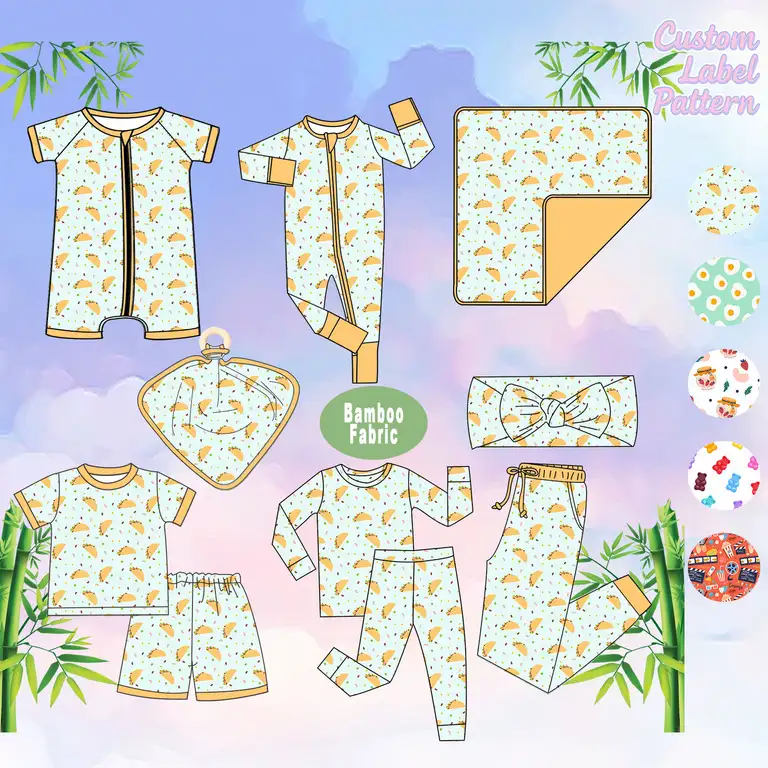
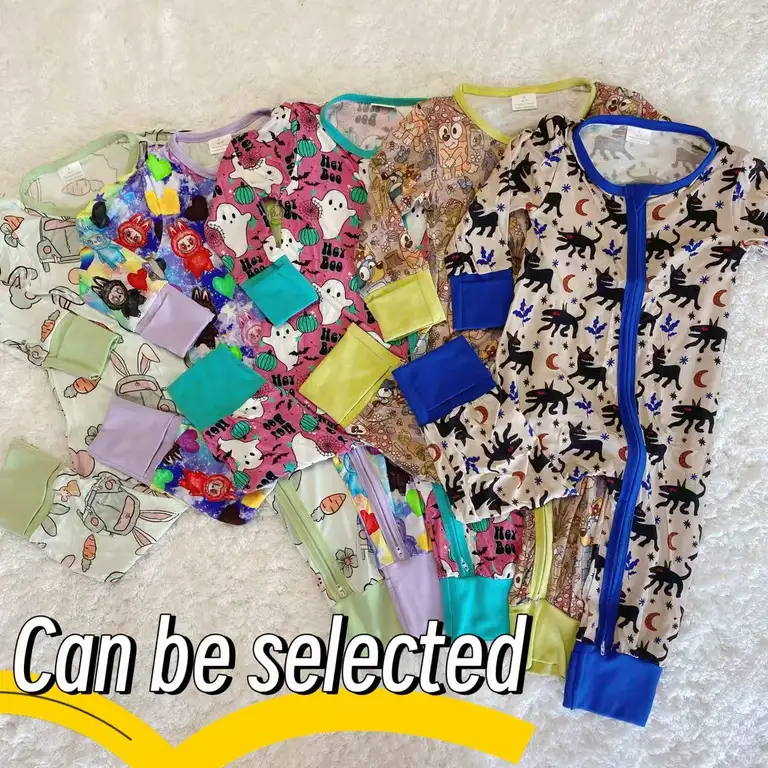
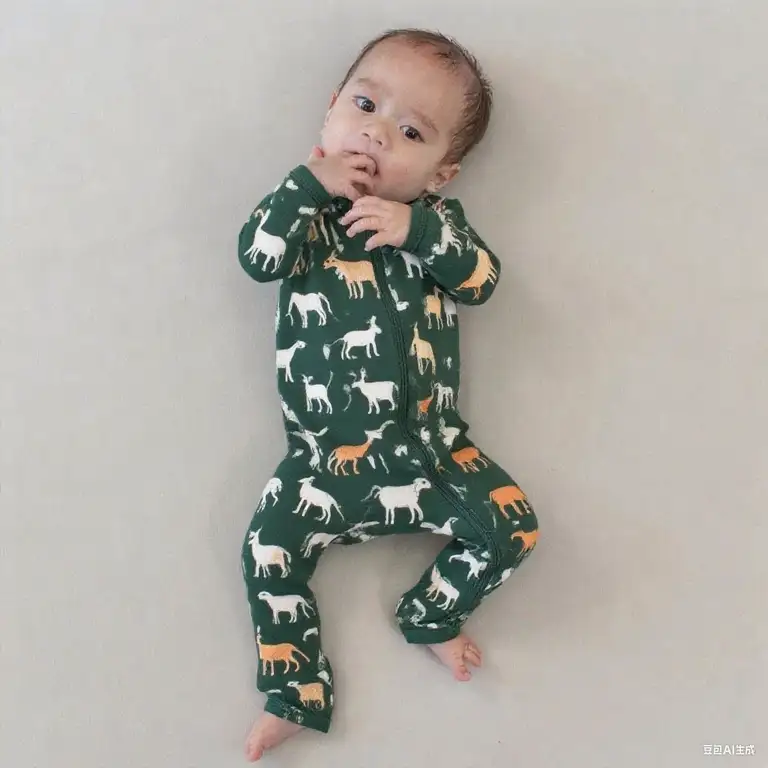
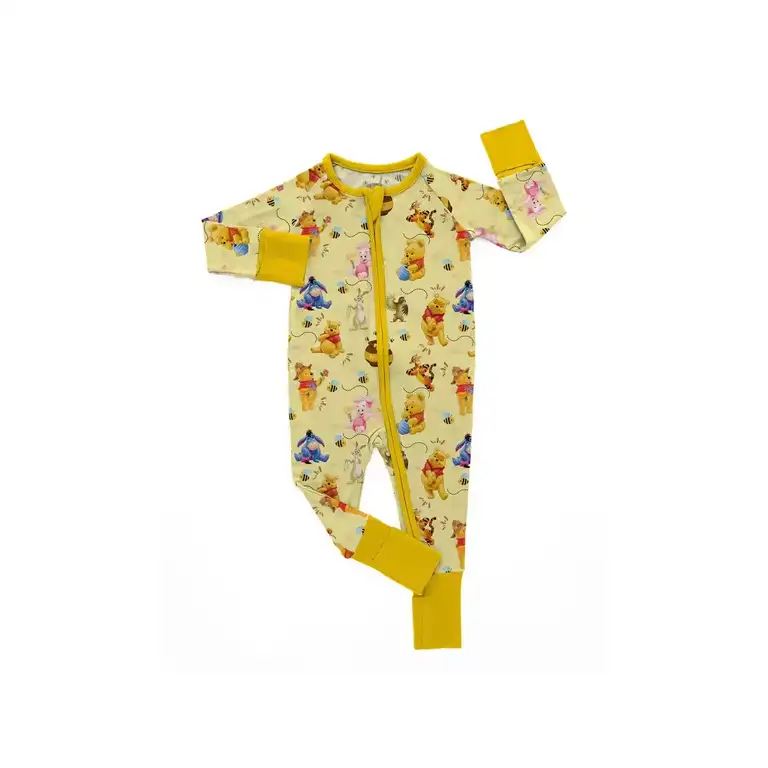
China Verified Baby TwoPiece Pajamas Supplier Wholesale
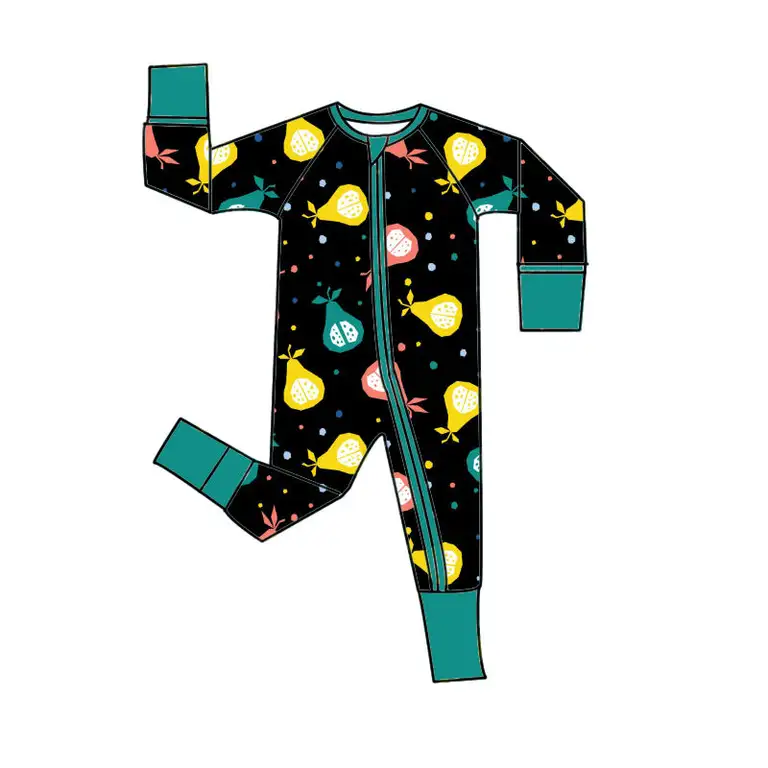
When manufacturing or sourcing baby Two-piece Pajamas, strict adherence to CPSIA (Consumer Product Safety Improvement Act) and CPC (Children’s Product Certificate) regulations is non-negotiable. Failing to meet compliance thresholds can result in severe legal ramifications, product recalls, and reputational risks. The manufacturing and distribution of baby Two-piece Pajamas require meticulous attention to safety, operational protocols, and product testing procedures. Consulting accurate baby Two-piece Pajamas Manufacturer Price List data is essential to align production costs with regulatory standards.

Applicable CPSIA Safety Standards for baby Two-piece Pajamas
Under CPSIA guidelines, baby Two-piece Pajamas must comply with 16 CFR Part 1615 and Part 1616 flammability standards commonly associated with children’s sleepwear. These criteria ensure that fabric, thread, and trims used in baby Two-piece Pajamas resist ignition and limit flame spread. While design exemptions for garments intended for infants under nine months exist, most baby Two-piece Pajamas include sizes subject to sleepwear-specific guidelines.
Material testing is mandatory. All component materials—including fabric (woven or knit), elastics, and labels—used in baby Two-piece Pajamas must pass approved flammability tests. This testing applies to products at two levels:
- Unit Production Level: Randomly selected samples of baby Two-piece Pajamas must pass flammability tests on a batch level.
- Subcomponent Level: Any new or modified materials sourced from tier-1 vendors require independent testing prior to mass production.
CPC Compliance Explained for baby Two-piece Pajamas
The mandatory CPC must accompany every shipment of baby Two-piece Pajamas entering the US market. This certification declares compliance with consumer product safety rules applicable to the product category. Key elements include:
- Identification of the Product: Each test report must identify the style name or unique SKU for baby Two-piece Pajamas.
- Testing Laboratory Credentials: Labs conducting testing on baby Two-piece Pajamas must hold CPSC accreditation. Certificates from unrecognized testing facilities are invalid.
- Batch Traceability: Include test dates and associated production start and end dates for specific baby Two-piece Pajamas batches.
- Certificate Details: Certifications must be updated when production modifications impact compliance thresholds or when test protocols evolve.
Ensuring Pull-Test Protocol Compliance
Pull-test evaluations are a critical safety aspect of baby Two-piece Pajamas. They assess the strength of components such as buttons, snaps, or embroidery to ensure they cannot detach and present a choking hazard. Testing procedures for pull-tests must meet ASTM F963 standards for force resistance on small parts.
- Material-Specific Tests: Each decorative component on baby Two-piece Pajamas must withstand at least a 15-lb force for 10 seconds.
- Continuous Sampling: During the manufacturing process, random sampling of finished baby Two-piece Pajamas should include on-site pull-tests.
- Vendor Accountability: Tier-1 sourcing contracts for decorative or functional components must include pull-test prequalification at the vendor level to prevent downstream failures.
Failure in pull-testing not only triggers legal risks but also adds operational inefficiencies. For example, a defective production run may result in the withdrawal of all non-compliant baby Two-piece Pajamas from the market, leading to financial loss and potential liability claims.
Regulatory Packaging and Labeling Requirements for baby Two-piece Pajamas
CPSIA extends to packaging and labeling regulations for baby Two-piece Pajamas. Compliance with these rules reduces legal exposure and educates consumers on the product's safe use. Oversights like incorrect font size for SKU or inaccurate wash instruction symbols on baby Two-piece Pajamas labels can result in fines or product seizures.
Primary labeling compliance metrics to address include:
- Tracking Labels: CPSIA Section 103 mandates that manufacturers affix tracking labels to all baby Two-piece Pajamas, including date and batch identifiers.
- Care Instructions: Labels on baby Two-piece Pajamas must provide detailed care instructions using ASTM D5489-standard symbols and text.
- Size and Fiber Disclosure: State garment dimensions and material composition (e.g., “100% cotton”) per FTC Textile Rules.
Labels should be printed in a colorfast manner to ensure readability persists after laundering. Testing a prototype of labeled baby Two-piece Pajamas through 50 wash cycles ensures compliance.
Minimizing Legal Risk in baby Two-piece Pajamas Production
Managing exposure to legal risk in producing and distributing baby Two-piece Pajamas requires proactive controls. These must incorporate legal, operational, and financial provisions.
Important risk mitigation strategies include:
- Vendor Vetting: Strictly evaluate tier-1 material suppliers who deliver raw fabrics, elastics, and fasteners used in baby Two-piece Pajamas. Any delays in raw material fulfillment schedules must be captured in your procurement KPIs.
- Documented Supply Chain Traceability: Maintain receipts and certificates for all materials sourced for baby Two-piece Pajamas. Include their safety compliance documentation in batch-specific files.
- Product Recall Policies: Pre-establish recall protocols for baby Two-piece Pajamas to avert operational confusion in the event of compliance failure. Quick responsiveness to safety violations reduces consumer lawsuits and supports brand reputation management.
Additionally, manufacturers should consult legal counsel during product development to identify jurisdiction-specific risks for baby Two-piece Pajamas, especially when exporting to foreign markets.
Importance of Consulting the baby Two-piece Pajamas Manufacturer Price List
Operational planning begins with understanding the baby Two-piece Pajamas Manufacturer Price List. Proper consultation identifies material cost variances and sets benchmarks for both budget and sourcing priorities. The baby Two-piece Pajamas Manufacturer Price List serves several strategic purposes:
- Fabric Tier Determination: Aligning fabric cost per yard with safety testing layers aids in accurate product costing.
- Bulk Shipping Protocols: Ensure shipping quantities captured in the baby Two-piece Pajamas Manufacturer Price List align with import documentation thresholds to minimize customs issues.
- SKU Rationalization: Manufacturing costs listed in the baby Two-piece Pajamas Manufacturer Price List aid decisions on SKU discontinuation or expansion.
For greater predictability, evaluate historical pricing trends in the baby Two-piece Pajamas Manufacturer Price List alongside current labor market and freight rate fluctuations.
The Role of Independent Audits and Third-Party Testing Facilities
Third-party audits are a cornerstone of ensuring the safety and compliance of baby Two-piece Pajamas. Recognized testing facilities can independently verify the quality and adherence of your product line to CPSIA standards. The functions of such laboratories often include:
- Flammability Analysis: Independent confirmation that baby Two-piece Pajamas meet 16 CFR Part 1615/1616 standards.
- Mechanical Strength Testing: Objective evaluation of stress endurance and pull-test compliance for baby Two-piece Pajamas.
- Toxicology Testing: Determining that chemical compositions in dyes or embellishments for baby Two-piece Pajamas do not exceed permissible exposure limits stipulated under CPSIA regulations.
To avoid bottlenecks, schedule preliminary tests for baby Two-piece Pajamas during the initial prototype phase. Contract labs with multi-year CPSIA accreditation to guarantee timely results and reliable certification issuance.
Inventory Audits and Distribution Protocols
Safe distribution of baby Two-piece Pajamas requires warehouse audits and quality control checkpoints to eliminate non-compliant units. Distribution protocol design should prioritize:
- Randomized Inspections: Audit 10-15% of baby Two-piece Pajamas per shipment batch to confirm adherence to flammability and pull-test results.
- Traceable Shipping Labels: Use SSCC-compliant unique identifiers to link baby Two-piece Pajamas shipping cartons with individual CPCs.
- Climate Conditions: Ensure storage facilities maintain temperatures that prevent fiber degradation or dye discoloration in baby Two-piece Pajamas.
Regular compliance updates and documentation for all stakeholders streamline the distribution process and enhance transparency in transit procedures. Emphasize clear communication with retail partners enacting mandatory safety inspections before shelving baby Two-piece Pajamas.
Risk-Based Quality Sampling for baby Two-piece Pajamas
Production risk profiles of baby Two-piece Pajamas require dynamic models of quality control. High-risk SKUs, such as newly designed baby Two-piece Pajamas or colorways produced using experimental fabrics, demand expanded testing ratios. Sampling methods should reflect:
| Eco Index | 97% Certified |
| Quality Audit | SGS |
| Base Composition | GOTS Cotton 514nd Gen |
| Lead Time | 17 Days |
| Technical Textile Zone | Junie B Jones Bamboo Pajamas |
| Global Production Focus | Bamboo Blankets Wholesale |
- AQL (Acceptable Quality Limits): AQL below 1.5% for critical flammability metrics is recommended for baby Two-piece Pajamas.
- Batch Sampling Intervals: Conduct quality reviews at both pre-finishing and post-finishing stages in baby Two-piece Pajamas production lines.
- Failure Contingencies: Isolate failed batches to prevent intermixing with compliant baby Two-piece Pajamas. Re-tested units must meet original safety standards before release.
While higher sampling rates initially escalate costs, implementing robust pre-emptive testing leads to significant savings by reducing warranty and recall liabilities linked to baby Two-piece Pajamas.
Retail Shelf Readiness for baby Two-piece Pajamas
To ensure swift approval from distributors and streamline retail shelving operations, baby Two-piece Pajamas manufacturers should focus on the following preparedness measures:
- Barcode Compliance: GS1-certified barcodes for baby Two-piece Pajamas must meet retailer-specific POS scanning configurations.
- Packaging Integrity: Materials used for individual packaging of baby Two-piece Pajamas must resist punctures, humidity, and product handling stress during transit.
- SRP Ready Design: Retail-ready packaging solutions for shelf displays optimize restocking efficiencies while sustaining the integrity of baby Two-piece Pajamas.
Collaborate with third-party logistics providers who understand the complex intersection of compliance and retail demand to maximize the visibility of baby Two-piece Pajamas.