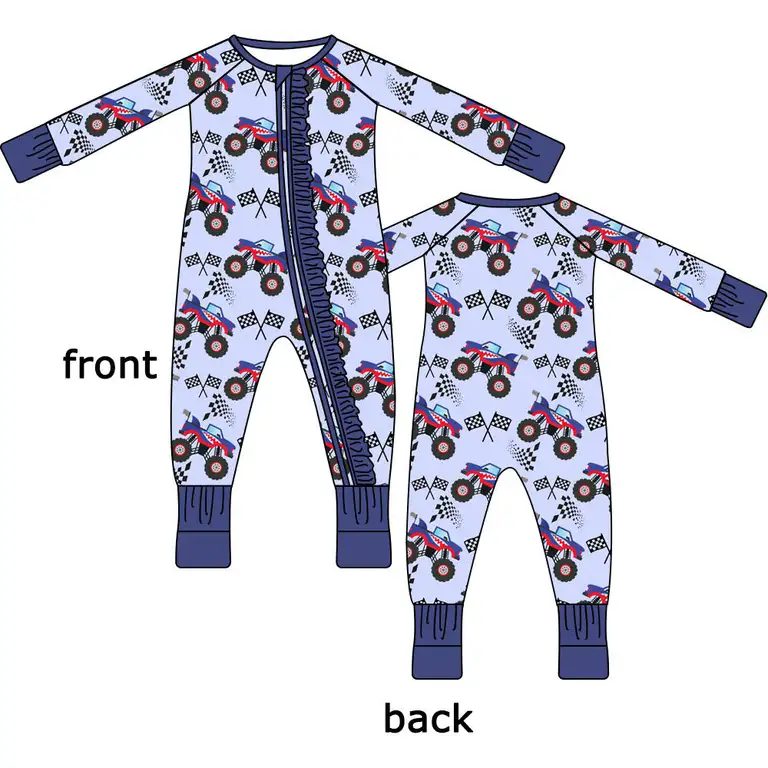
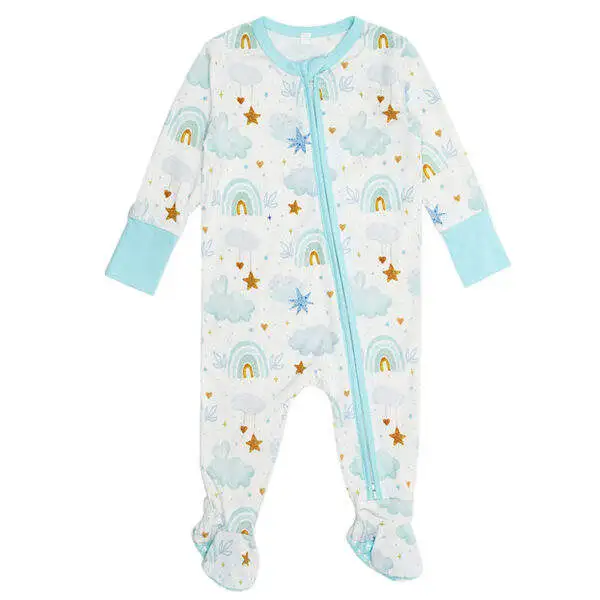
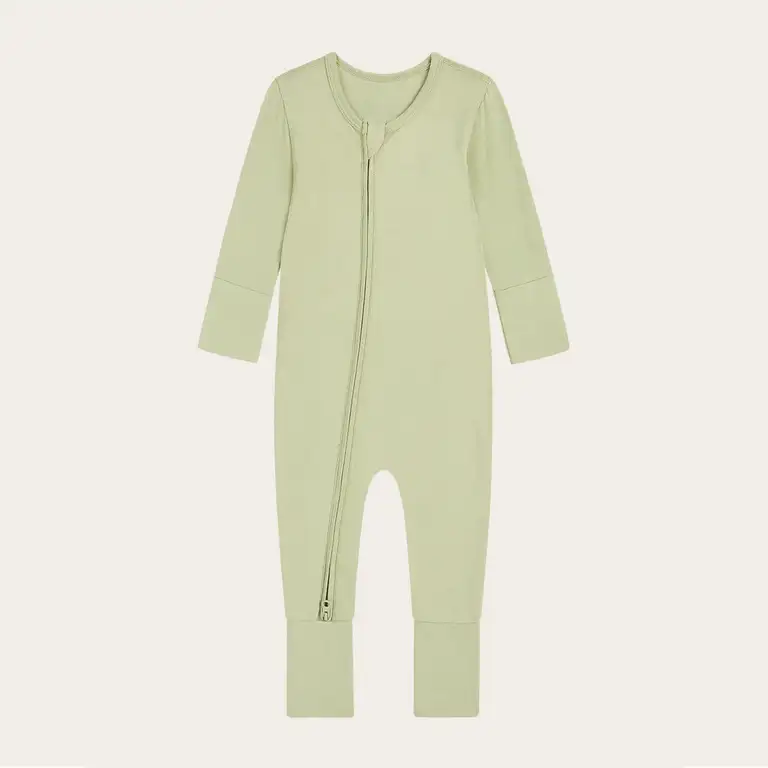
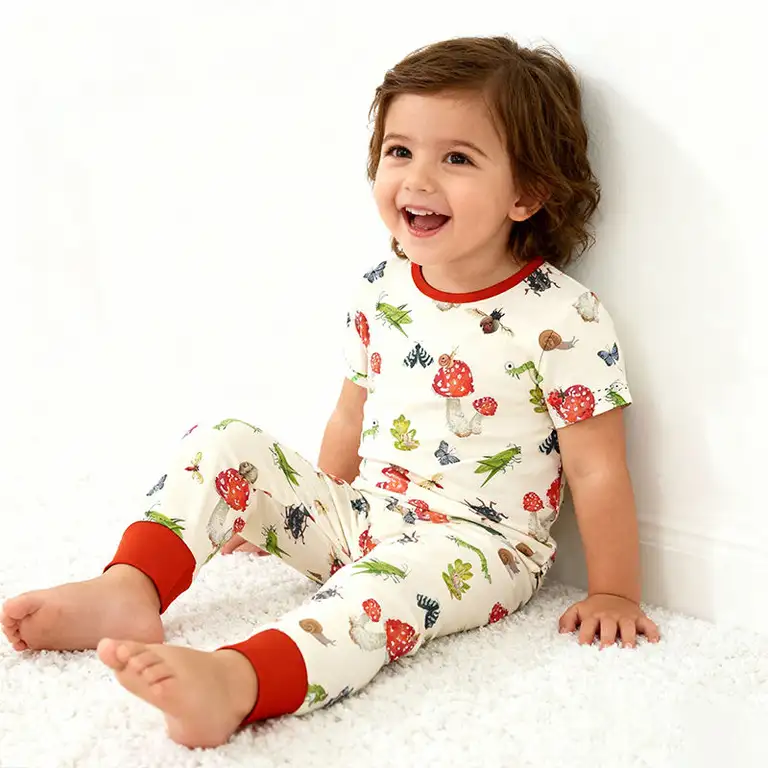
Top Quality : China Direct Bamboo Sleepwear
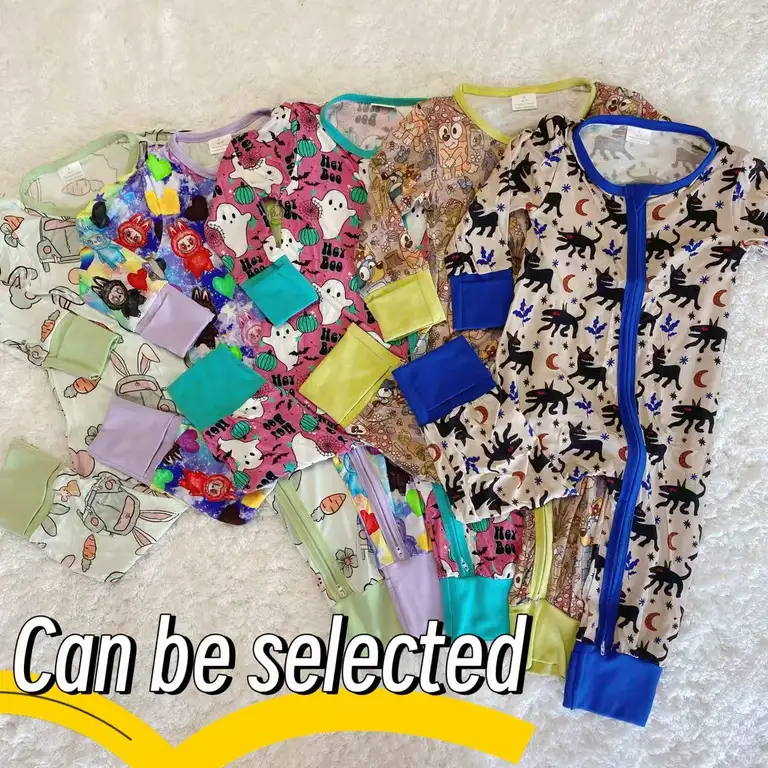
Why Bamboo Sleepwear is Transforming the Sleepwear Industry
Bamboo sleepwear is rapidly gaining traction in the textile industry, primarily due to its sustainability, comfort, and performance-driven qualities. For businesses looking to tap into functional and eco-conscious products, bamboo-based fabrics represent a lucrative opportunity. This guide provides essential insights to help B2B buyers, wholesalers, and distributors evaluate bamboo sleepwear as a high-growth category for their portfolio.
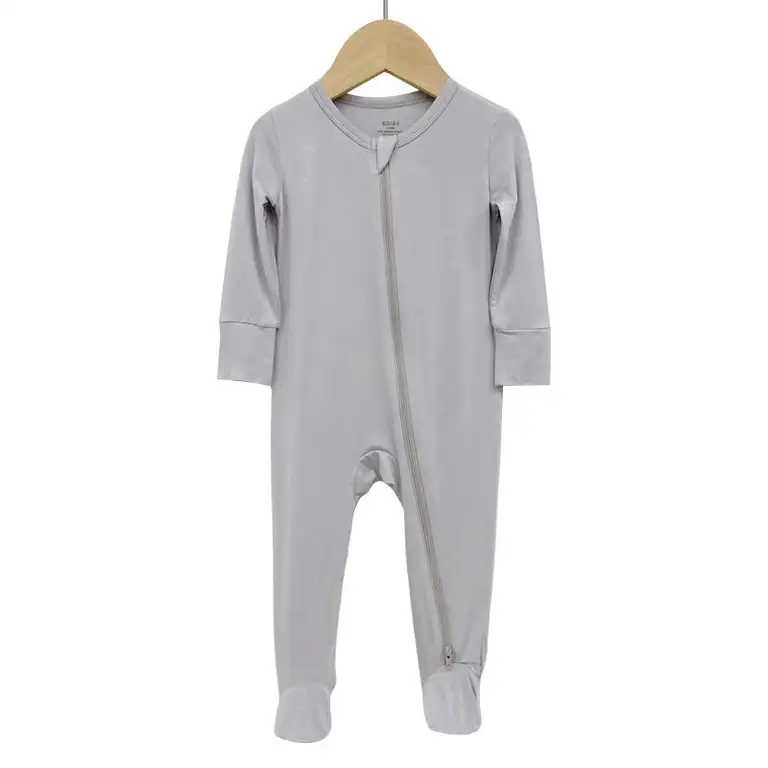
The Advantages of Bamboo Fabric for Sleepwear
Bamboo-based textiles, commonly referred to as bamboo viscose, offer unique benefits perfectly suited for sleepwear. Here are the core advantages:
- Sustainability: Bamboo is a fast-growing, renewable resource that requires minimal water and pesticides compared to cotton. It plays a key role in supporting eco-sensitive supply chains.
- Breathability and Moisture Management: Bamboo viscose has superior moisture-wicking properties, ensuring comfort during sleep by maintaining an optimal body temperature.
- Antibacterial and Odor-Resistant Qualities: Natural antibacterial properties help reduce odor retention, appealing to consumers seeking freshness and hygiene.
- Sensory Comfort: When processed into fabric, bamboo viscose has a silky, soft texture ideal for sensitive skin, making it a go-to choice for luxury sleepwear collections.
- Hypoallergenic Properties: Bamboo fabrics are hypoallergenic, making them an excellent choice for those with allergies or skin sensitivities.
These features make bamboo sleepwear a competitive player in the $10.4 billion global sleepwear market (as of 2023, source: Statista), with demand growing exponentially due to trending consumer preferences for eco-friendly textile solutions.
Understanding Raw Material Sourcing for Bamboo-Based Fabrics
Raw material sourcing is a critical step in bringing bamboo sleepwear to market. Here are the essential factors to consider when sourcing bamboo fabrics:
Types of Bamboo Fabrics
There are multiple types of bamboo fabrics on the market, each featuring different properties:
- Bamboo Viscose: The most common type, bamboo viscose is prized for its softness and versatility. It requires a chemical process during production to convert bamboo pulp into fabric threads.
- Bamboo Lyocell: A closed-loop production alternative, bamboo lyocell uses environmentally-friendly solvents, making it the more sustainable choice.
- Bamboo Cotton Blends: Combining bamboo and cotton provides enhanced durability and breathability, often found in mid-range sleepwear collections.
Sustainability Certifications
Ensure that your suppliers follow ethical and sustainable sourcing standards. Look for certifications such as:
- OEKO-TEX Standard 100: Confirms the absence of harmful chemicals in the material.
- GOTS (Global Organic Textile Standard): Verifies organic processing standards for environmentally-friendly production.
- FSC (Forest Stewardship Council): Ensures that bamboo is sourced from responsibly managed forests.
Consumers are increasingly demanding transparency, so verifying these certifications from your manufacturer boosts your reputation and credibility in the market.
Supplier Assessment
When sourcing bamboo fabrics, evaluate potential suppliers on the following criteria:
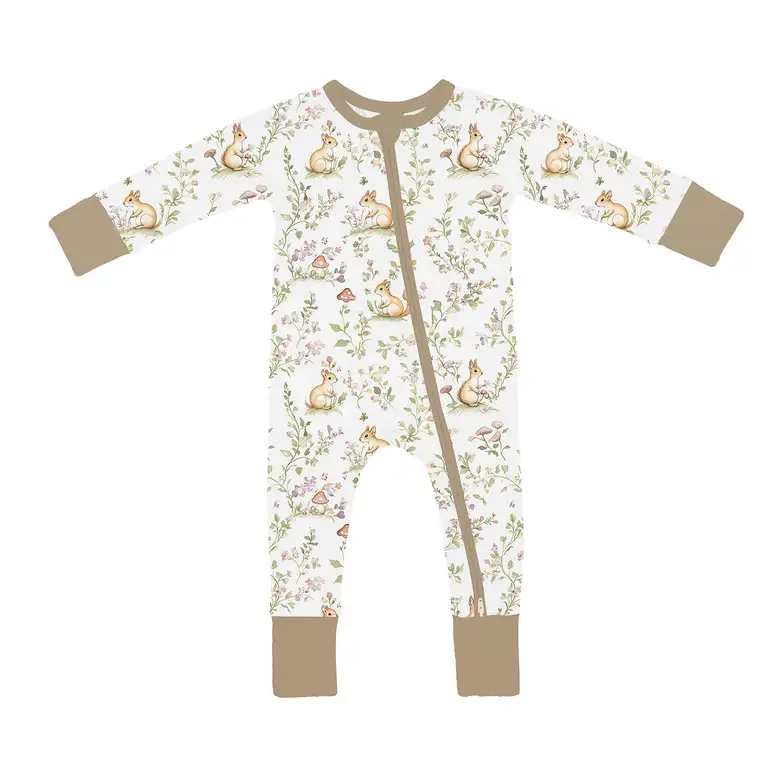
- Production capacity to meet your volume requirements.
- Processing methods used to create bamboo viscose or lyocell.
- Certifications for quality assurance and eco-compliance.
- Ability to customize fabrics based on weight, texture, and dyeing preferences.
Manufacturing Bamboo Sleepwear: Technical Considerations
Once you have secured raw material supply, the manufacturing process is critical in creating high-quality bamboo sleepwear. Here’s what B2B buyers should know about bamboo sleepwear production:
Fabric Quality and Processing
The quality of bamboo fabrics is determined by their GSM (grams per square meter), dyeing properties, and stretch. For sleepwear, lighter fabrics (130-170 GSM) are ideal for breathability and softness.
Consider textile processing techniques such as bio-enzyme treatments to ensure your final fabrics maintain a premium feel. Low-impact dyes can also add sustainability to your production while offering vibrant color options.
Design and Functionality
Bamboo sleepwear appeals to a broad audience, from eco-conscious consumers to premium leisurewear shoppers. Design innovation plays a pivotal role in creating products that cater to diverse preferences in this space:
- Form-fitting options for luxury and high-end brand collections.
- Relaxed, breathable designs for everyday wear.
- Functional features like buttons, drawstrings, or pockets to enhance versatility.
Bamboo’s natural stretch and softness make it suitable for designing robes, nightgowns, pajama sets, and loungewear.
Packaging and Branding
For B2B buyers, branding bamboo sleepwear as “eco-luxury” adds to its competitive edge. Consider the following packaging and marketing strategies:
- Use recycled or biodegradable materials for product packaging.
- Leverage certifications like OEKO-TEX on custom labeling to highlight quality.
- Create demographic-focused branding, such as health-conscious messaging targeting families or busy professionals.
Market Potential and Distribution Strategies
Bamboo sleepwear has high growth potential, driven by consumer awareness and demand for sustainable fashion. B2B buyers should build a well-informed market strategy to maximize their investment.
Target Markets
Identify specific segments within the sleepwear marketplace. Bamboo sleepwear resonates with the following consumer groups:
- ECO-CONSCIOUS BUYERS: A growing segment of consumers actively seeks products with reduced environmental impact.
- LUXURY LOUNGEWEAR CONSUMERS: Bamboo sleepwear fits into the premium loungewear space where comfort meets design aesthetic.
- HEALTH-CONSCIOUS CONSUMERS: Those with sensitive skin or allergies benefit from bamboo’s hypoallergenic properties.
Distribution Channels
B2B buyers can leverage multiple distribution methods to bring bamboo sleepwear to their final markets:
- E-commerce: Popular platforms like Amazon or Shopify make distribution easier and allow access to a global audience.
- Retail Partnerships: Collaborate with department stores and boutique sleepwear retailers to target high-value customers.
- Private Labeling: Offer sourcing and manufacturing services for brands seeking to enter the niche.
Evaluate logistics, shipping costs, and time-to-market to ensure a seamless delivery process for your distribution partners.
| Origin | PRC |
| Capability | Customized |
: Is Investing in Bamboo Sleepwear Worth It?
Bamboo sleepwear is disrupting the market with its sustainability and performance benefits. As more consumers embrace eco-friendly trends and prioritize wellness, the demand for bamboo textiles will continue to rise. For B2B buyers, this niche offers immense opportunities for profit and brand differentiation.
By choosing the right suppliers, ensuring sustainable production practices, and developing a customer-focused distribution strategy, organizations can position themselves as leaders in the growing bamboo sleepwear market. Now is the time to invest in this innovative and highly demanded category.