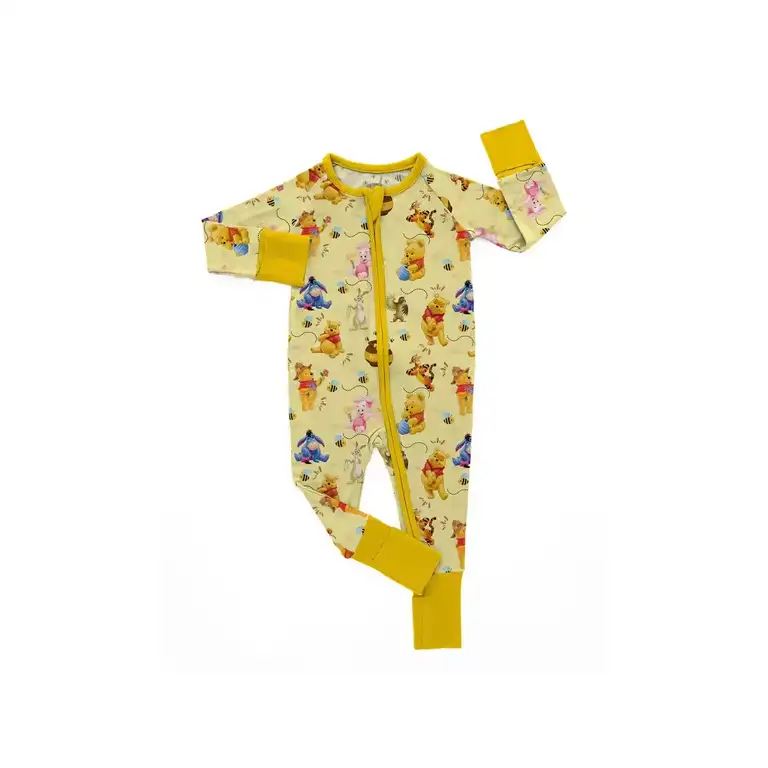
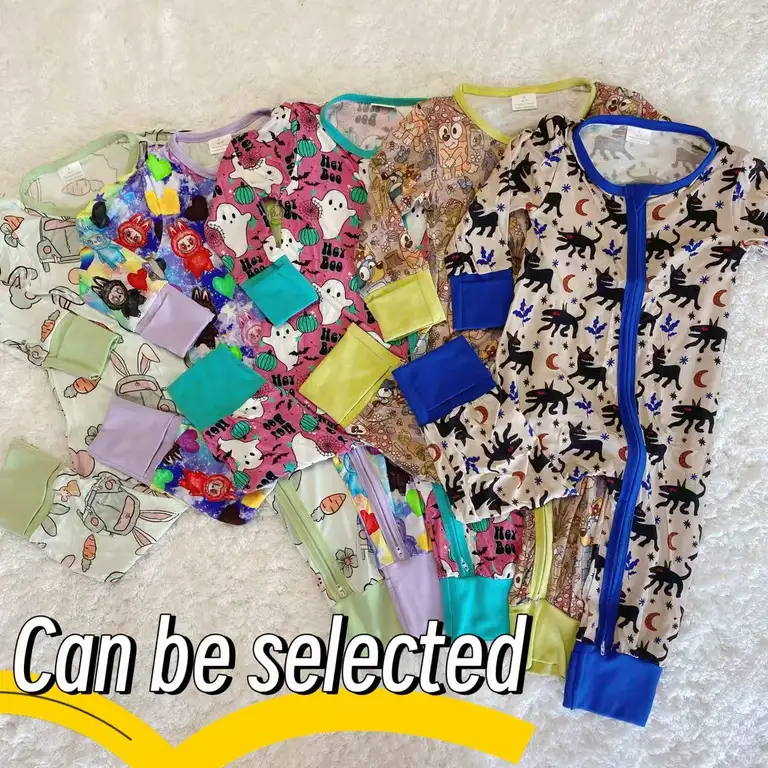
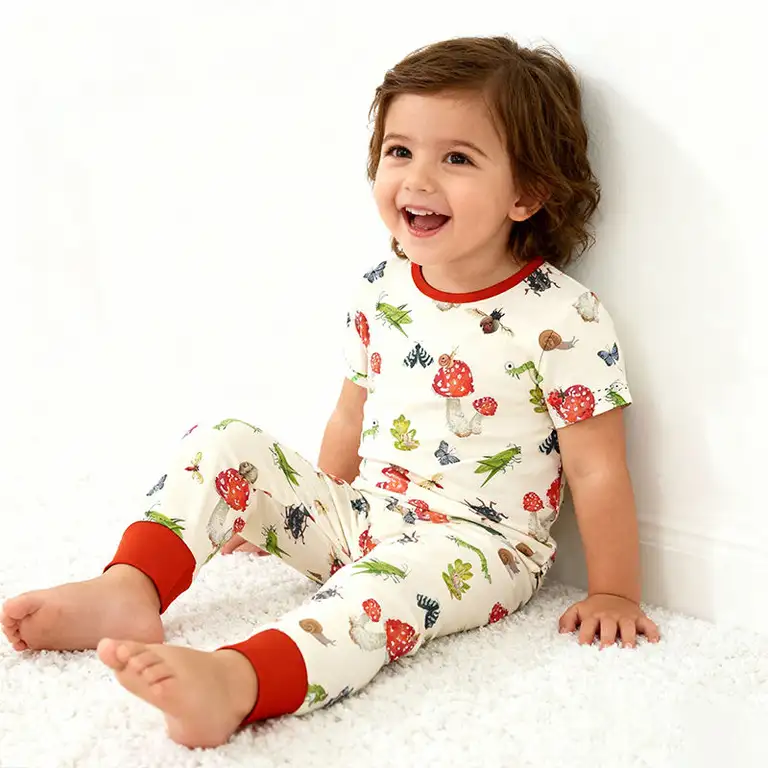
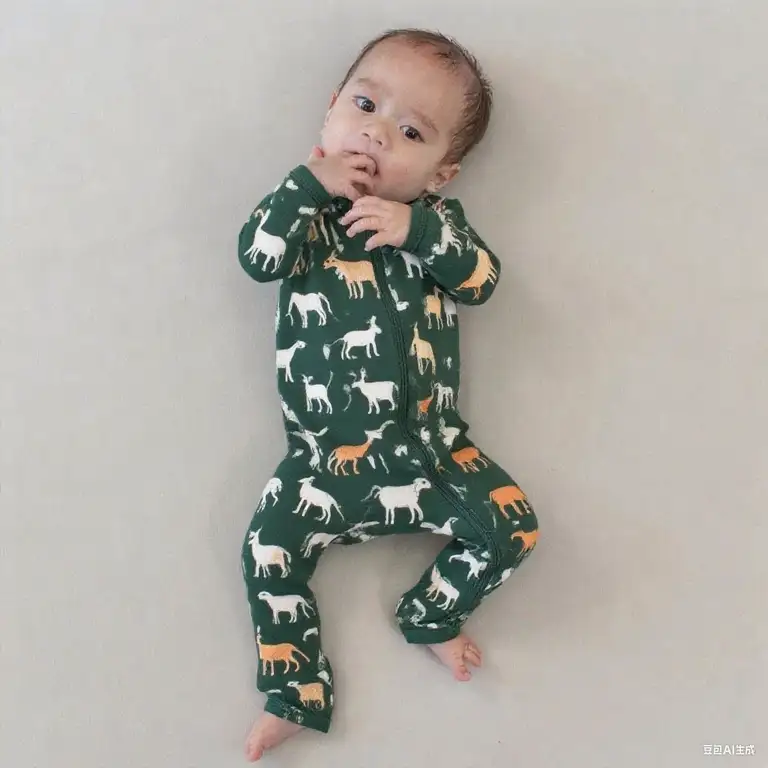
Verified Custom Bamboo Pajamas Wholesale Supplier

Manufacturers and distributors of Custom Bamboo Pajamas targeting the B2B market must prioritize compliance with CPSIA (Consumer Product Safety Improvement Act) and CPC (Children’s Product Certificate) regulations. This technical guide outlines critical insights into complying with federal safety standards, addressing pull-test protocols, and mitigating legal risk exposure while maintaining AQL 2.5 standards to ensure export-grade quality for Custom Bamboo Pajamas B2B Export Quality.

CPSIA Compliance: Key Requirements for Custom Bamboo Pajamas
The CPSIA mandates rigorous controls for children’s products, including Custom Bamboo Pajamas. A cornerstone of compliance is ensuring the product meets lead and phthalate limits, as well as adopting proactive strategies to assess fabric composition. Third-party testing under CPSIA rules is non-negotiable for Custom Bamboo Pajamas B2B Export Quality. The lead content must be capped at 100 parts per million (ppm), inclusive of all painted logos and printed labels on the material.
CPC documentation is necessary for Custom Bamboo Pajamas, detailing all testing performed on the product. This formal certificate should encompass batch-specific analysis, reflecting rigorous adherence to Section 14(a)(1) of the Consumer Product Safety Act (CPSA). Manufacturers must work with accredited laboratories that specialize in children’s sleepwear to formalize the CPC documentation before distribution.
AQL Standards and SKU Rationalization for Custom Bamboo Pajamas B2B Export Quality
Adhering to AQL (Acceptable Quality Limit) standards is integral for ensuring consistent quality in Custom Bamboo Pajamas. The industry standard of AQL 2.5 is a minimum requirement for children’s apparel and pajamas. Sampling protocols must capture defects ranging from critical and major to minor classifications during production oversight. Employing robust SKU rationalization strategies will ensure streamlined management of Custom Bamboo Pajamas inventory, balancing product diversity with manufacturability.
Any deviation from prescribed AQL benchmarks could compromise export viability for Custom Bamboo Pajamas B2B Export Quality. Manufacturers must account for fabric pilling resistance, ensuring durability against laundering cycles defined under ASTM standards (D4970). The bamboo textile's inherent softness must not overshadow its resilience, especially if export shipments are subject to variable humidity conditions.
Pull-Test Integrity Tests for Custom Bamboo Pajamas
Products classified under children’s sleepwear, including Custom Bamboo Pajamas, must pass CPSIA-mandated pull-test evaluations. These tests simulate wear-and-tear to verify the security of integral components, such as buttons, snaps, and sewn trims. The threshold requires components remain intact under a force of 15-25 pounds (6.8 to 11.3 kg) based on ASTM F963 protocol.
The pull-test process for Custom Bamboo Pajamas B2B Export Quality must consider the bamboo fabric’s elasticity. This necessitates calibrated tension apparatus to adequately account for material stretch and structural integrity under force. For pajama designs featuring composite embellishments or threading patterns, tensile strength assessments should extend to thread durability measured under uniaxial tensile loads.
Legal Risk Mitigation for Custom Bamboo Pajamas
Mitigating legal risks associated with Custom Bamboo Pajamas begins with CPSIA adherence documentation. Retailers and distributors should secure indemnity clauses from manufacturers ensuring compliance with Section 102 of the CPSIA. Liability increases drastically in cases where children’s pajama products fail flammability standards or produce adverse reactions such as skin irritations.
To minimize exposure, batch segregation should be implemented in production runs, ensuring traceability of defective units. Manufacturers producing Custom Bamboo Pajamas B2B Export Quality must invest in fabric toxicity evaluations to eliminate risks associated with pesticide residues in bamboo fibers. These toxicology reviews should align with ISO 10993 standards.
Labeling Compliance for Custom Bamboo Pajamas
The CPSIA demands precise labeling for children’s sleepwear, impacting Custom Bamboo Pajamas B2B Export Quality. Required labels include batch identification, fiber content details, and compliance certifications. Mislabeling could result in immediate market withdrawals and penalties under 16 CFR Parts 1610 and 1615. Permanent sewn-in labels are preferred for Custom Bamboo Pajamas to ensure durability and visibility through wearer use.
Manufacturers must avoid ambiguous language when specifying bamboo content. Labels such as “100% bamboo viscose” should clearly identify the processing methods used for fiber extraction. Furthermore, products marketed as eco-friendly or sustainable add critical appraisal considerations—misleading claims about Custom Bamboo Pajamas sustainability may prompt legal scrutiny from the Federal Trade Commission.
Supplier Audits for Ensuring Custom Bamboo Pajamas Compliance
Conducting supplier audits is an essential strategy to verify compliance throughout the supply chain of Custom Bamboo Pajamas. Audits should encompass multi-faceted inspections, including raw bamboo fiber sourcing, dye toxicity sampling, and final garment quality reviews. Supply agreements must obligate vendors to conform to CPSIA standards and outline explicit repercussions for non-compliance.
For manufacturers aiming to produce Custom Bamboo Pajamas B2B Export Quality, establishing multi-tiered audit checkpoints will help identify breaches during pre-production, in-process, and post-production phases. Environmental audits may also be warranted where bamboo fiber extraction processes are promoted as sustainable. A failure to substantiate sustainability claims imposes risks of regulatory action under ASTM D6866 guidelines.
Operational Controls to Optimize Custom Bamboo Pajamas Safety
Operational controls for producing Custom Bamboo Pajamas B2B Export Quality should begin with establishing preemptive testing laboratories equipped to evaluate fabric flammability, tensile integrity, and toxicity. Manufacturers should incorporate ISO 2859-1 sampling inspection practices to reduce the likelihood of defective apparel entering commercial channels.
Key operational metrics must include linear density tests for bamboo yarns, ensuring adequate tensile strength across expanded pajama sizes. These density evaluations should comply with ASTM D1577 standards and must extend across all SKUs to confirm batch uniformity. Deployment of heat tolerance tests is also critical, allowing the bamboo material to withstand drying temperatures up to 150°C without material degradation.
Distribution Risk Assessment for Custom Bamboo Pajamas
Risk assessment frameworks must be employed to fortify B2B distribution channels for Custom Bamboo Pajamas. Fluctuations in export regulations impacting fabric-based goods necessitate proactive vigilance on tariff classifications, import restrictions, and anti-dumping duties. A distribution channel analysis should prioritize consistency in AQL compliance as an overarching target to prevent logistic bottlenecks, product returns, and breach-of-contract claims.
| Lead Time | 28 Days |
| Quality Audit | BV |
| Eco Index | 99% Certified |
| Industrial Textile Scope | Bamboo Fabric Leopard For Clothes |
| Base Composition | Bamboo 639nd Gen |
| Premier Supply Chain Field | Rts Mystery Bundle Bamboo Pajama |
Custom Bamboo Pajamas B2B Export Quality batches should undergo pre-distribution sampling to confirm quality benchmarks as outlined under 16 CFR Part 1615 flammability testing for sleepwear. Legal mitigation might require cross-border representatives to secure pre-approval certifications before importation, particularly in jurisdictions with heightened apparel scrutiny such as the European Union.
Traceability Protocols for Custom Bamboo Pajamas
Traceability systems integrated into the production process of Custom Bamboo Pajamas create a documented chain of custody, minimizing risks tied to post-market recalls. Manufacturers should deploy RFID tagging for inventory management, assigning unique identifiers to each batch while retaining CPSIA test result visibility at scale.
For Custom Bamboo Pajamas B2B Export Quality, traceability records must encompass testing logs, procurement sources, and manufacturing timestamps. These records provide the necessary transparency for regulatory inspections while ensuring rapid notification response timelines in the case of safety violations.