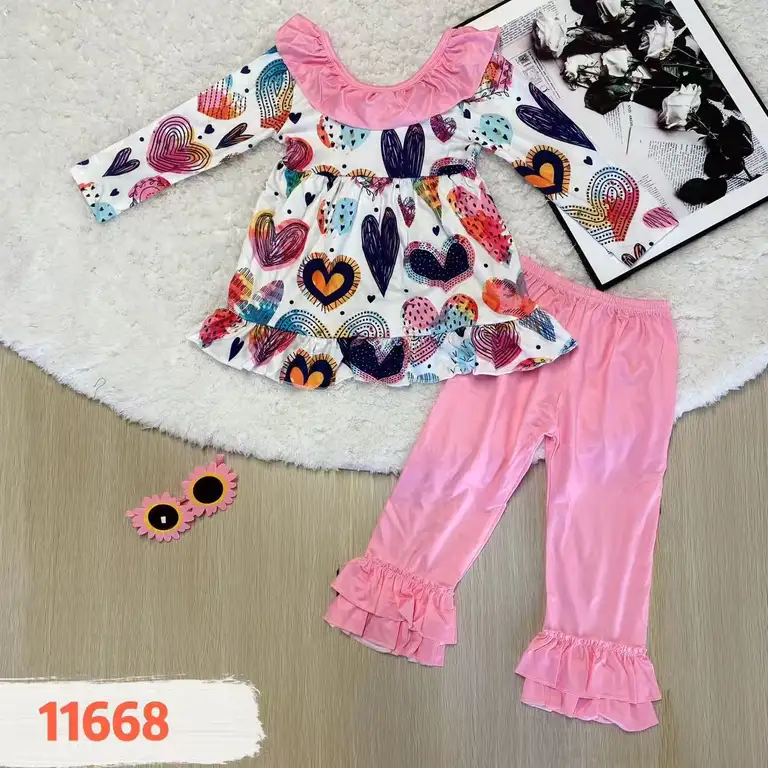
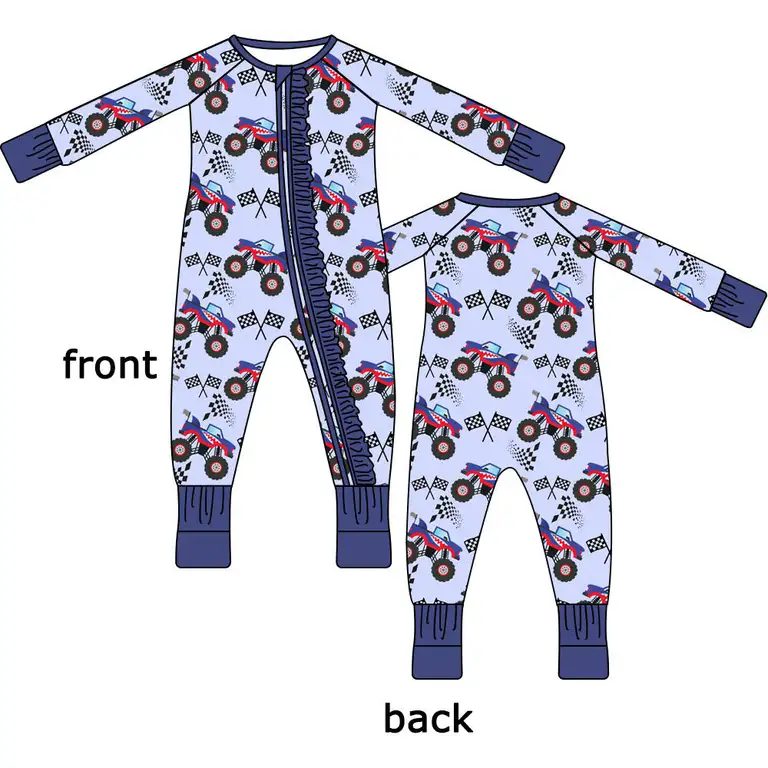
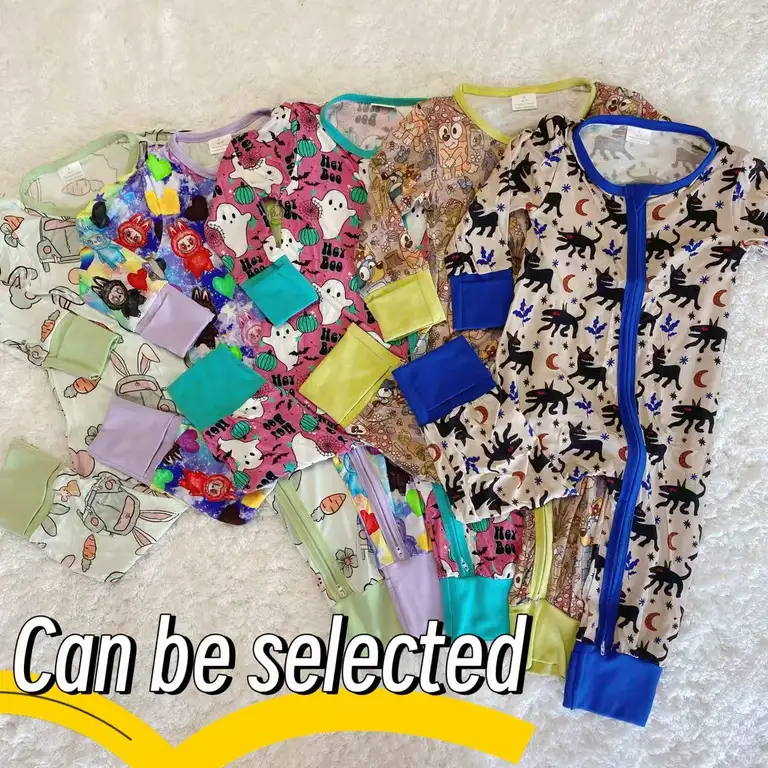
Top Factory Direct Custom Bamboo Clothing Manufacturer
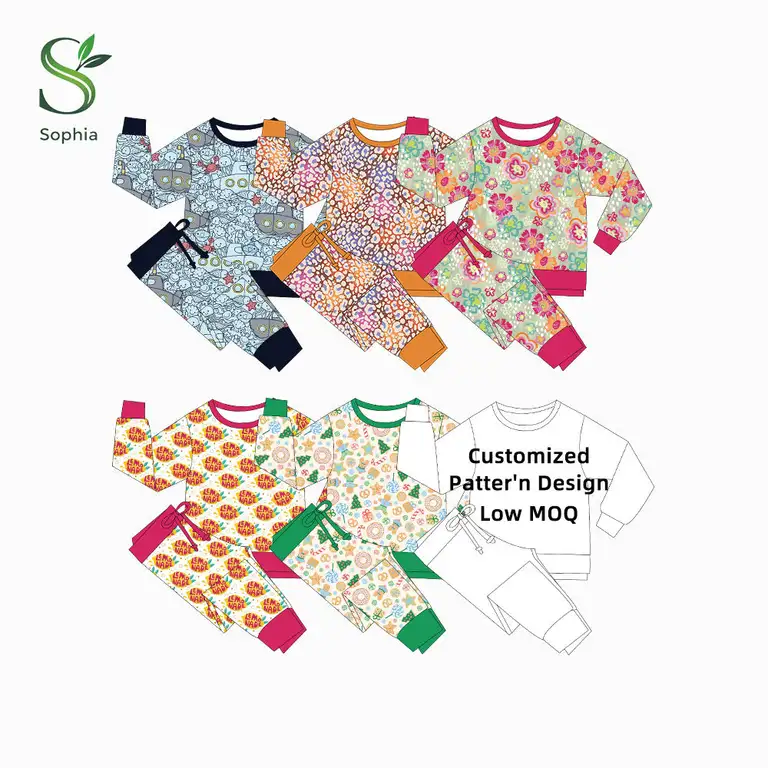
The production, testing, and export of custom Bamboo Clothing require strict adherence to safety and regulatory standards under the Consumer Product Safety Improvement Act (CPSIA). Failure to comply with CPSIA and other technical legal stipulations can result not only in financial penalties but also in brand damage and shipment detainment. The focus of this guide is ensuring legal compliance and implementing robust quality controls for custom Bamboo Clothing B2B Export Quality.

CPSIA Compliance for custom Bamboo Clothing
The CPSIA is the cornerstone of safety regulations for consumer products in the United States, with a particular emphasis on children's clothing. The law mandates the issuance of a Children’s Product Certificate (CPC) for products intended primarily for children. If the custom Bamboo Clothing is manufactured for this demographic, the following critical safety tests must be performed:
- Lead Content Testing: CPSIA enforces strict limits on lead content in textiles. Lead levels in the painted or printed components of custom Bamboo Clothing must not exceed 100 ppm.
- Flammability Tests: Bamboo fabric tends to have semi-synthetic origins due to its processing into viscose or rayon. Complying with the 16 CFR Part 1610 standard for apparel flammability is mandatory.
- Phthalate Testing: For products with plastic coatings, snaps, or trims, CPSIA bans specific phthalates above 0.1% concentration in children’s wear. This standard applies readily to custom Bamboo Clothing B2B Export Quality, especially if designed for infants or toddlers.
- Mechanical Hazards: Ensure all snaps, buttons, or closures used in custom Bamboo Clothing meet pull-test requirements, which will be discussed in detail later in this guide.
CPC Documentation for custom Bamboo Clothing B2B Export Quality
A Children’s Product Certificate (CPC) serves as a legal document certifying that the custom Bamboo Clothing complies with all applicable CPSIA safety rules. The CPC must reference the third-party testing report from a CPSC-accepted lab. The document should include:
- Identification of the product: Specify that the product is custom Bamboo Clothing.
- Applicable CPSC regulations, such as lead, phthalates, flammability, and mechanical integrity tests.
- Manufacturer information, including name, address, and contact details.
- Test batch and date of compliance certification.
Legal noncompliance risks increase exponentially when the CPC is incomplete, misrepresents product compliance, or lacks batch-specific traceability. For custom Bamboo Clothing B2B Export Quality operations, robust record-keeping structures must be implemented, ensuring batch numbering consistency from production through testing.
Pull-Test Protocols for custom Bamboo Clothing
The use of buttons, snaps, decorative rivets, or zippers in custom Bamboo Clothing introduces the risk of mechanical detachment and subsequent choking hazards. Pull testing certifies the structural integrity of these components under prolonged stress. Compliance with ASTM F963 or equivalent pull-test standards is necessary for custom Bamboo Clothing B2B Export Quality. Key technical parameters include:
- Pull Test Force: Components should withstand a minimum force of 15 pounds without detaching or becoming loose. For smaller trims or closures, apply ISO 8124 protocols for tailored thresholds.
- Retention Testing: Evaluate whether visual fatigue occurs at the stitching points or mounting areas under continued stress.
- Securing Mechanisms: Use lockstitch precision for trim attachment. Additional adhesive backing may be required for components on high-wear zones.
Specialized textile test labs, familiar with the intricacies of custom Bamboo Clothing, must be prioritized for conducting pull tests. Certificates of compliance for mechanical strength must be included within the CPC’s technical file.
Fabric Quality Standards for custom Bamboo Clothing B2B Export Quality
The base material integrity of custom Bamboo Clothing plays a pivotal role in meeting regulatory durability requirements. Fabric GSM (grams per square meter) consistency should remain within ±5% variance, and testing for fiber density, shrinkage, and tensile strength is mandatory. For export purposes, the following tests are non-negotiable:
- Fiber Consistency: Testing for bamboo viscose blends ensures that any synthetic fiber (e.g., lyocell or elastane) does not compromise structural performance under continuous use.
- Colorfastness: Utilize ISO 105 standards for wash, rub, and UV fading tests. This is essential for preserving the aesthetic integrity of custom Bamboo Clothing B2B Export Quality during shipping and shelf displays.
- Absorbency and Wicking: As bamboo often markets itself as a cooling fabric, independent verification of wicking performance secures consumer trust in export scenarios.
Only tier-1 sourcing of bamboo fibers and threads is acceptable, as downstream legal exposure increases significantly for supply chains reliant on non-certified mills. Traceability records must align each meter of material with its batch certification for GSM standardization.
Labeling Standards for custom Bamboo Clothing
Apparel exporters targeting international markets must comply with specific labeling requirements for custom Bamboo Clothing. Violations attract surcharges, quarantined shipments, and sometimes outright prohibitions in key destination countries. The following components are required:
- Fiber Composition: Include exact percentages of bamboo, cotton, or synthetic fibers. Misrepresentation—especially advertising bamboo products as 100% bamboo viscose—can result in FTC violations for greenwashing.
- Country of Origin: The label must explicitly name the country of final assembly. Double-check input variations when manufacturing multiple variants for custom Bamboo Clothing B2B Export Quality.
- Care Instructions: Compliance with ISO 3758 ensures internationally understood care symbols. Improper laundering guidance often triggers post-purchase consumer complaints.
- Tracking Label: Per CPSIA guidelines, include permanent tracking codes, particularly for children's clothing. The tracking label must specify the date of manufacture, production location, and batch ID.
Chemical Restrictions in custom Bamboo Clothing
Ensuring the absence of hazardous chemicals in custom Bamboo Clothing is critical for compliance with CPSIA and REACH (Registration, Evaluation, Authorisation, and Restriction of Chemicals). The following restricted substances must be tested and documented:
| Eco Index | 85% Certified |
| Industrial Category Specification | Bamboo Pajamas For Women Sexy |
| Quality Audit | Intertek |
| Primary Wholesale Focus | Bamboo Pajamas Ruffle Shorts |
| Base Composition | Bamboo 363nd Gen |
| Lead Time | 25 Days |
- Formaldehyde: Levels must meet the OEKO-TEX Standard 100 threshold of fewer than 75 ppm for baby garments and fewer than 300 ppm for adult applications.
- Azo Dyes: Testing ensures that azo compound-based dyes do not release harmful amines under ISO 14362 protocols. This is essential for achieving environmentally safe standards for custom Bamboo Clothing B2B Export Quality.
- Allergenic and Irritant Substances: Bamboo fabrics pass through enzymatic or chemical treatments during processing. Certifications from dermatological testing agencies must accompany every batch of custom Bamboo Clothing.
Supply Chain Audits for custom Bamboo Clothing B2B Export Quality
Supply chain accountability mitigates risk exposure for non-compliance in custom Bamboo Clothing. Legal gaps often arise when raw material origins or intermediary processing facilities bypass oversight. Manufacturer audits should evaluate:
- Tier-1 Fiber Sourcing: Suppliers must provide certifications such as FSC for sustainably harvested bamboo or GOTS for organic textiles.
- Production Facility Standards: On-site audits ensure adherence to international health, labor, and safety standards under ISO 9001 certifications.
- Traceability Metrics: Every input for custom Bamboo Clothing should undergo digital tagging, linking materials back to initial provision points.
Legal Risk Avoidance in custom Bamboo Clothing Exports
Exporting custom Bamboo Clothing B2B Export Quality to international markets requires preemptive legal strategies to avoid compliance violations. Among the critical safeguards are:
- Early Batch Testing: Conduct compliance testing on early production runs, allowing corrective actions prior to mass production.
- Customs Inspection Readiness: Prepare technical files, CPCs, and labeling certifications in advance of global shipping.
- Legal Counsel: Retain individuals familiar with CPSIA, REACH, and ISO standards to oversee all export processes for custom Bamboo Clothing.
- Insurance Coverage: Obtain product liability insurance tailored to the apparel industry's specific regulatory demands.