Top Direct Kids Clothes Wholesale OEM
Understanding CPSIA Requirements for kids clothes wholesale
The Consumer Product Safety Improvement Act (CPSIA) is a critical regulation for any business engaged in kids clothes wholesale. Compliance with CPSIA is non-negotiable, and violations can result in substantial penalties. CPSIA governs lead content, phthalate limits, and mandatory product safety labeling for children’s apparel.

CPSIA mandates that all suppliers, distributors, and retailers involved in kids clothes wholesale produce and provide Children's Product Certificates (CPC) for items designed for children aged 12 and under. These certificates must attest to rigorous third-party testing conducted at a Consumer Product Safety Commission (CPSC)-accredited laboratory. Failing to provide CPCs can jeopardize your ability to lawfully operate in the industry.
Key Safety Standards Critical for kids clothes wholesale Wholesale Bulk Supply
- Lead Content Limits: All surfaces, including paint and fabric, should not exceed 100 parts per million (ppm) of lead.
- Phthalate Testing: Phthalates commonly used in plasticized components (like buttons or prints) should not exceed 0.1% concentration levels.
- Flammability Testing: All textiles utilized in kids clothes wholesale must pass the CPSC’s flammability standards under 16 CFR Part 1610.
When supplying kids clothes wholesale Wholesale Bulk Supply, ensure that your supply chain has clear visibility on CPSIA regulations. Vendors and subcontractors must be screened to confirm whether they adhere to CPSIA benchmarks, supported by appropriate documentation at every step.
Importance of Pull-Test Standards in kids clothes wholesale
Pull-testing plays a critical role in determining the mechanical safety of children’s apparel in the kids clothes wholesale space. Overlooking these requirements can lead to product recalls or injury-related lawsuits, both of which come with severe financial and reputational ramifications.
Common Apparel Components Requiring Pull-Test Validation
- Snap Buttons and Rivets: Must withstand a minimum pull force of 15 lbs under ASTM F963 standards to ensure they cannot be removed by a child.
- String Ties and Waistbands: Elasticated trims on kids clothes wholesale items must pass rigorous force-based testing to prevent choking hazards.
- Seams and Stitches: Strength assessments are mandatory for lockstitch seams used in categories such as baby onesies or toddler outerwear.
Recommended Testing Equipment for kids clothes wholesale Wholesale Bulk Supply
Invest in certified pull-test devices, such as a calibrated universal testing machine (UTM). The device should have adjustable tensile force settings to accommodate different garment components. Accurate pull-testing helps validate compliance with safety standards, especially for items facing child-resistant or toddler-proof requirements in retail.
Legal Risks and Preemptive Strategies for kids clothes wholesale Suppliers
Engaging in kids clothes wholesale without tight regulatory oversight exposes businesses to significant operational risks, including forced shutdowns, import bans, or expensive lawsuits. Legal liabilities arise from non-compliance with CPSIA, particularly in cases of defective merchandise or improper labeling.
The Role of Supply Chain Audits in Minimizing Risk
Conducting regular audits of the supply chain is a non-negotiable task for businesses in kids clothes wholesale Wholesale Bulk Supply. Below are specific areas where audits can identify vulnerabilities:
- Ingredient Verification: Employ third-party labs to verify the absence of hazardous chemicals like lead or phthalates.
- Performance Testing Records: Ensure each batch adheres to pull-test benchmarks and provides batch-traceable pass/fail results.
- CPC Record-Keeping: Maintain at least five years of CPC documentation on all items under your kids clothes wholesale operations.
Risk Mitigation via Labeling Accuracy
Improperly labeled garments are a predominant reason for kids clothes wholesale recalls. Labels must contain the following elements:
- Batch Numbers: Simplify defect tracing through batch-controlled labeling systems.
- Warning Labels: Include explicit warnings on age-inappropriate clothing features, such as long drawstrings.
- Manufacturer Information: Feature details like business address and production date, as required under CPSIA Section 103.
Testing Protocols for Flammability and Fabric Durability in kids clothes wholesale
In addition to CPSIA-mandated flammability testing, garment durability is another priority for maintaining quality standards in kids clothes wholesale. Substandard materials can cause compliance risks, particularly in cases where fabric composition is not disclosed accurately.
Fabric Testing Standards
- Flammability Compliance: Textiles should be classified as Class 1 (normal flame spread) under the Standard for the Flammability of Clothing Textiles (16 CFR 1610).
- Durability Checks: Verify fabric resistance to wear-and-tear through Martindale Abrasion & Pilling Resistance Testing for high-use items like leggings or children’s tees.
- Colorfastness Analysis: Assess wash fastness and UV resistance to ensure garments maintain color integrity after repeated laundering, which is especially critical in kids clothes wholesale.
Frequency of Testing in kids clothes wholesale Wholesale Bulk Supply
It is insufficient to test products exclusively during design development phases. Implement batch testing at intervals defined by manufacturing cycles. High-risk items (e.g., buttoned shirts or zippered pajamas) require more frequent inspection to prevent systemic quality failures.
Compliance Checklist for kids clothes wholesale
A robust, standardized compliance checklist is vital for reducing liability exposure in the kids clothes wholesale sector. Below is a comprehensive breakdown tailored to CPSIA-focused wholesale operations:
CPSIA Compliance
- Accredited third-party lab testing documentation for all product categories.
- Children's Product Certificate (CPC) complete with manufacturing batch details.
- Tracking labels with traceability to materials and supplied components.
Pull-Test and Mechanical Safety
- Perform pull tests on every high-risk component: snaps, rivets, zippers, and elastics.
- Document tensile strength results for each test, ensuring industry-standard compliance.
Labeling Requirements
- Manufacturer’s name, production address, and contact information.
- Proper warning labels for choking, suffocation, or other hazards.
- Age-grading information clearly indicated in all packaging and tags.
Prototyping Reviews
Before a large production run in kids clothes wholesale Wholesale Bulk Supply, utilize prototypes to identify potential safety pinch points. Test trims, fabric interplay, and labeling sufficiency under simulated use conditions. Engage with independent experts to validate all findings objectively.
Special Considerations for International kids clothes wholesale
If sourcing internationally for kids clothes wholesale, compliance validation becomes more intricate. Importers bear the legal burden of ensuring that all imported goods meet domestic CPSIA regulations.
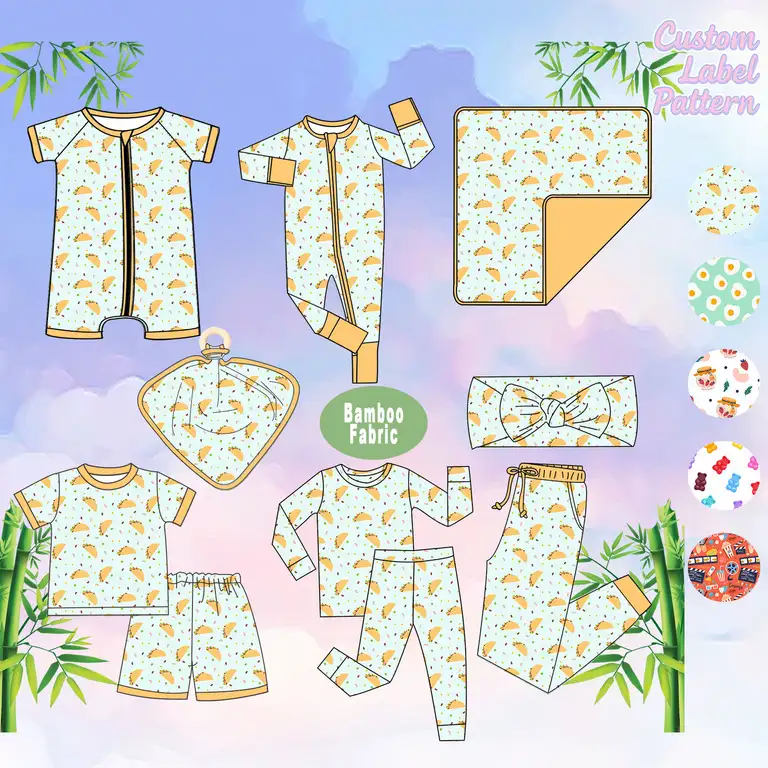
| Standard Category Parameter | Bamboo Mama And Me Pajamas |
| Quality Audit | SGS |
| Eco Index | 87% Certified |
| Premier Manufacturing Focus | Women Soft Bamboo Pajamas |
| Lead Time | 45 Days |
| Base Composition | GOTS Cotton 269nd Gen |
Vet International Suppliers
- Audit Frequency: Conduct quarterly audits for high-risk suppliers exporting for kids clothes wholesale.
- Restricted Substance Lists (RSLs): Ensure manufacturers disallow excessive lead, phthalates, and other substances through standard testing agreements.
- Customs Communication: Work closely with a licensed customs broker to verify compliance documentation before clearing import shipments into the U.S.
Currency Volatility on Margins
For businesses operating in kids clothes wholesale Wholesale Bulk Supply internationally, fluctuating currency exchange rates can pose further challenge to maintaining desirable markup margins. Protect cash flow with forward exchange contracts and remain vigilant about shipping cost splinters caused by tariff shifts or evolving import/export policies.
Temperature-Triggered Risks in kids clothes wholesale Wholesale Bulk Supply
Seasonal fluctuations in climate play a pivotal role in the storage integrity of garments in the kids clothes wholesale supply chain. Extended exposure to moisture-rich environments can degrade fabric and compromise quality.
Environmental Control in Warehousing
- Temperature Monitoring: Maintain storage temperatures between 50°F and 80°F for cotton-heavy inventory.
- Humidity Levels: Aim for relative humidity (RH) of 30–50% to prevent mildew formation during long-term storage.
- Pest Control: Institute routine pest infestation inspections, especially for facilities managing voluminous kids clothes wholesale inventory.