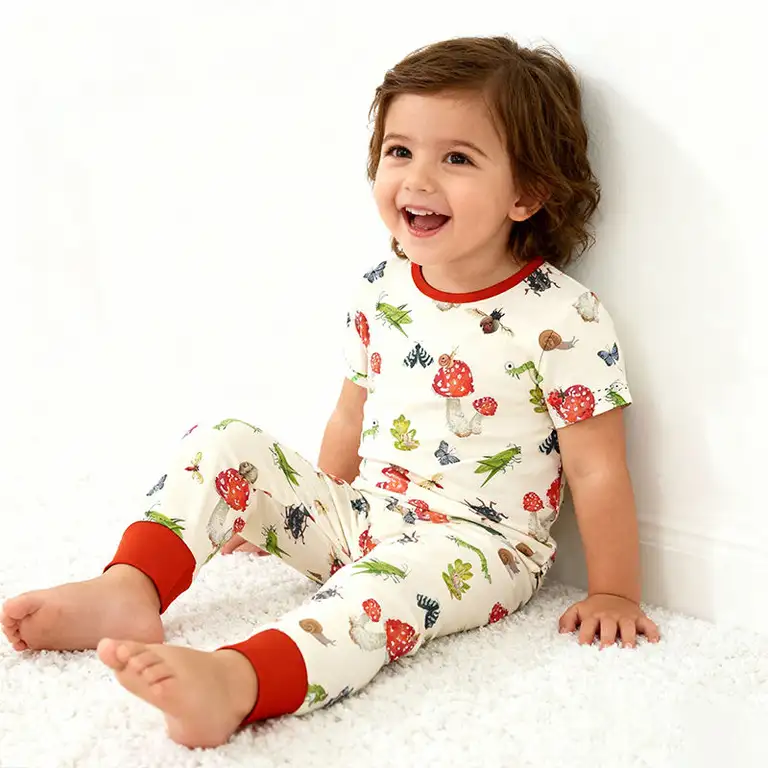
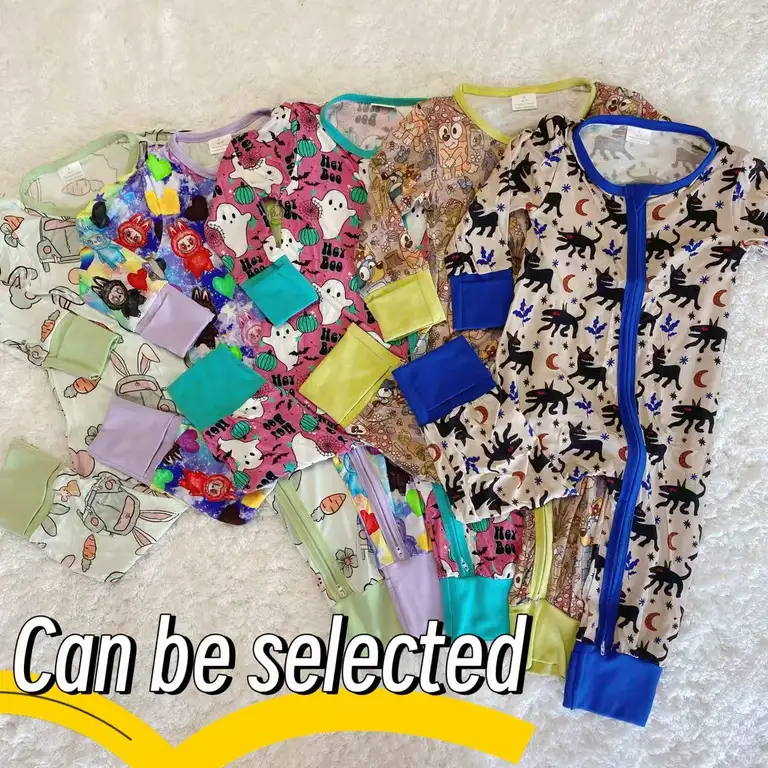
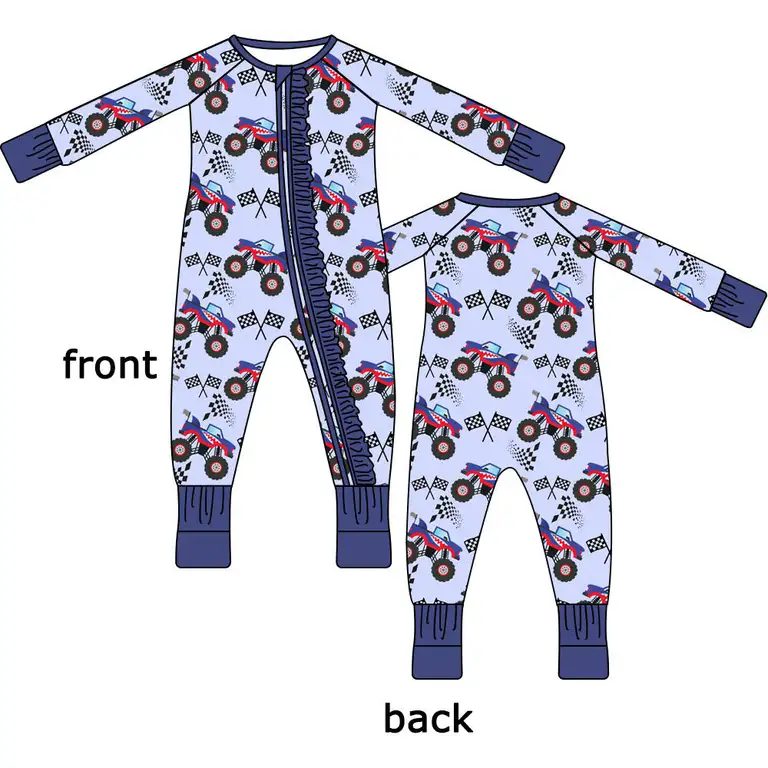
OEM Top Bamboo Baby Plush Factory Source
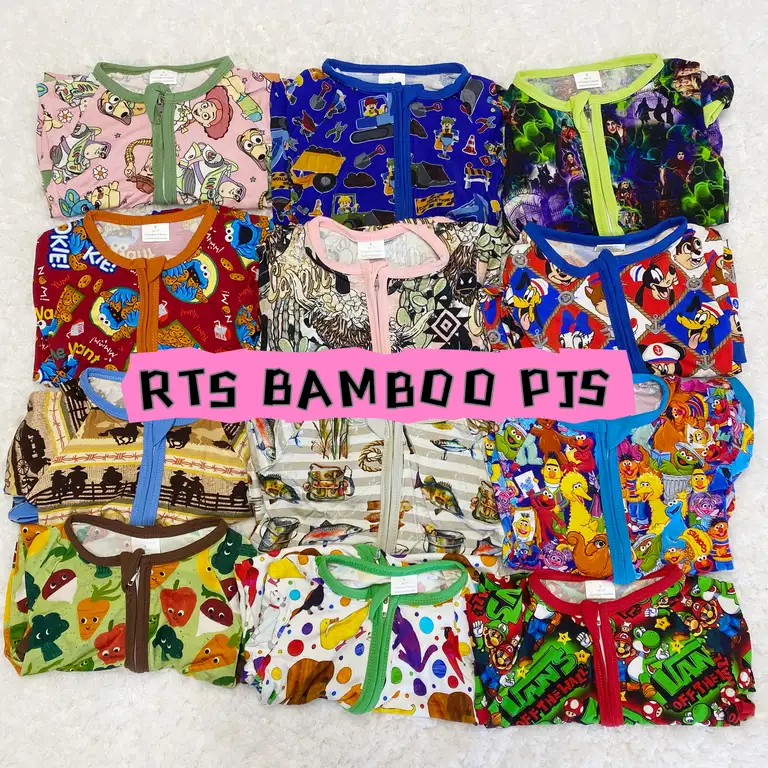
CPSIA and Compliance Frameworks for Bamboo Baby Plush
Manufacturing, importing, and distributing bamboo baby plush necessitates stringent adherence to the Consumer Product Safety Improvement Act (CPSIA). Particularly, children's products, defined as items designed primarily for children 12 years and younger, like bamboo baby plush, fall under depth-of-compliance scrutiny to reduce liability and eliminate hazards.

The critical document manufacturers and distributors of bamboo baby plush must generate and provide is the Children's Product Certificate (CPC), which certifies compliance with all applicable federal regulations. The CPC must accompany each production batch of bamboo baby plush, addressing not only material compliance but also production batch consistency and traceability.
Key CPSIA Mandates for Bamboo Baby Plush
- Mandatory Lead Testing: Materials used in bamboo baby plush, including dyes, thread, fibers, and decorative elements, must exhibit lead content below 100 ppm (parts per million) as per CPSIA Section 101.
- Phthalates Testing: If any part of the bamboo baby plush is made from soft plastics, phthalates testing under CPSIA Section 108 becomes obligatory. Phthalate presence must not exceed 0.1% for categories like DEHP, DBP, and BBP.
- ASTM F963 Compliance: Plush toys intended for children fall under toy safety regulations. Each bamboo baby plush unit must be tested for mechanical safety, flammability, and toxic elements in paints and substrate materials in line with ASTM F963-17 standards.
- Labeling and Tracking: The permanent tracking label on every bamboo baby plush should include production date, manufacturing location, batch number, and the manufacturer/importer contact information.
Pull-Test Rigors for Bamboo Baby Plush
For bamboo baby plush to comply with ASTM F963 and CPSIA’s mechanical safety standards, an extensive pull-test must be conducted. This is particularly critical for verifying secure attachment of appendages like arms, legs, and any embellishments such as buttons or embroidered features.
Pull-Test Specifications
| Component | Force Requirement | Duration |
|---|---|---|
| Non-Detachable Parts (Ears, Noses, Legs, Arms) | 15 lbs. (66.7 Newtons) | 10 seconds |
| Decorative Elements (Buttons, Bowties) | 15 lbs. (66.7 Newtons) | 10 seconds |
| Seams | 15 lbs. (66.7 Newtons) | 3 cycles at 10 seconds each |
Lockstitch precision and thread durability should be tested under these load specifications to ensure seamless resistance during manufacturing QA and post-production audits. Assemblers are advised to conduct rigorous pre-batch checks during the sewing phases of a bamboo baby plush for compliance assurance.
Testing Frequency
All bamboo baby plush units must be subjected to batch testing. A representative sample size—defined in the ASTM and CPSIA technical standards—should be extracted for pull-tests from every production batch under the supervision of certified safety laboratories.
Legal and Financial Risks of Non-Compliance
Legal noncompliance can degrade brand reputation and result in severe financial and criminal penalties for bamboo baby plush brands. As stipulated under CPSIA, penalties for noncompliance include civil fines of up to $15 million and potential criminal prosecution. Inconsistent or missing CPCs can expose importers of bamboo baby plush to Customs and Border Protection (CBP) halts at port, driving up storage fees and supply chain delays.
Retailers and wholesalers may also cease sourcing from noncompliant manufacturers due to the risks of untraceable production batches, particularly in cases concerning bamboo baby plush Supply Chain Solutions where distribution channels span multiple geographic regions.
Material Compliance Testing for Bamboo Baby Plush
Raw material testing confirms that fibers, dyes, and secondary materials in bamboo baby plush align with CPSIA thresholds. Testing fiber-based materials such as bamboo requires specialized laboratory validation to meet burn and chemical-resistance standards.
Fiber Integrity
- Burn Testing: Bamboo fibers in bamboo baby plush must comply with CPSC’s standards for flammability. This includes ensuring fibers resist rapid ignition and do not exhibit self-propagating flame characteristics.
- Fabric Fastness: Dyes used for shading or coloring in bamboo baby plush must pass wet and dry rub tests. Reports of color transfer during consumer use or cleaning could lead to compliance citations.
- Biodegradability Claims: If marketing a product as eco-friendly under bamboo baby plush Supply Chain Solutions, Federal Trade Commission (FTC) Green Guides apply. Manufacturers must substantiate biodegradability, chemical safety, and sustainability assertions with third-party certifications.
Testing Embellishments
Any added embellishments such as embroidered eyes, sewn in brand tags, prints, or logos raise risk levels for choking if poorly attached. ASTM F963 regulations dictate that all embellishments undergo tensile testing, needle sharpness assessments, and toxic chemical leachate evaluations.
- BPA-free certification is necessary for all plastic components of bamboo baby plush.
- Nickel release testing is required for any metallic parts, such as zipper heads or decorative clasps.
Bulk Shipping Protocols for Bamboo Baby Plush
Proper handling during transit ensures that the physical integrity of bamboo baby plush complies with consumer expectations on arrival. Bulk shipping protocols for bamboo baby plush Supply Chain Solutions involve listed methodologies to minimize structural deformation and contamination.
Packaging Standards
- Inner and Outer Packaging: Individual plastic bags enclosing bamboo baby plush must meet suffocation warning labeling requirements. Exclusionary dimensions must prevent accidental asphyxia for individual bags measuring 5 inches or larger in diameter.
- Carton Fill Material: Reinforce filling with corrugated paper, anti-static bubble wraps, or biodegradable air pillows for void fill during transport. Avoid direct external pressure on bamboo baby plush units.
Port Clearances
All inbound bamboo baby plush shipments to the United States subject cargo clearance by CBP, with mandatory CPC submission and certification of compliance against CPSIA regulations. Expect customs delays if barcode creation protocols or container labeling deviate from standard import requirements under Federal Regulation 16 CFR.
Liability Implications Specific to Bamboo Baby Plush
Bamboo baby plush suppliers face litigation risks not only from regulatory non-compliance but also from direct liability lawsuits. Product recalls stemming from safety flaws such as choking hazards, loose stitching, or untested materials result in costly recall logistics and erosion of consumer-user trust.
Mitigating Risk
Contracts with distributors under bamboo baby plush Supply Chain Solutions should include enforceable clauses ensuring liability allocation, defect reporting timelines, and retailer indemnifications. Proactive batch traceability audits and scaled QA inspection frequency may further protect against supply chain-related breaches.
Insurance Recommendations
- Product Liability Coverage: A comprehensive insurance policy is essential for releasing bamboo baby plush to commercial platforms.
- Recall Insurance: Covers administrative costs, destruction procedures, and legal fees associated with bamboo baby plush recalls.
Ongoing Monitoring of Bamboo Baby Plush
Sustaining longstanding compliance for bamboo baby plush entails robust mechanisms for tracking standards updates across jurisdictional landscapes. Manufacturers should monitor major regulatory frameworks like CPSIA, REACH, and EU CE certifications for directives impacting plush toys. Contract modifications linked to bulk shipments under bamboo baby plush Supply Chain Solutions contracts, must account for any dynamic law adjustments.
| Quality Audit | SGS |
| Lead Time | 35 Days |
| Base Composition | Bamboo 162nd Gen |
| Eco Index | 86% Certified |
| Technical Market Parameter | 95% Bamboo 5% Spandex Family Christmas Pajamas |
| Technical Application Parameter | French Terry Romper |
Dedicated compliance officers should coordinate with accredited third-party labs to manage incident response protocols, contamination analysis, and unforeseen product tampering in transit. Quarterly reviews of certifications against shifting standards and random testing of withheld inventory narrow error margins for potential oversight.
Closing Notes on Storage Controls
Final storage stages prior to retail distribution are sensitive to microbial exposure risks. The distinctive properties of bamboo in bamboo baby plush make climate-monitored storage environments necessary. Relative humidity controls below 50% and temperature thresholds capped at 23°C minimize bacterial growth on biodegradable fibers. Utilize vacuum-sealed inner wrappings as extra mold-preventive barriers.