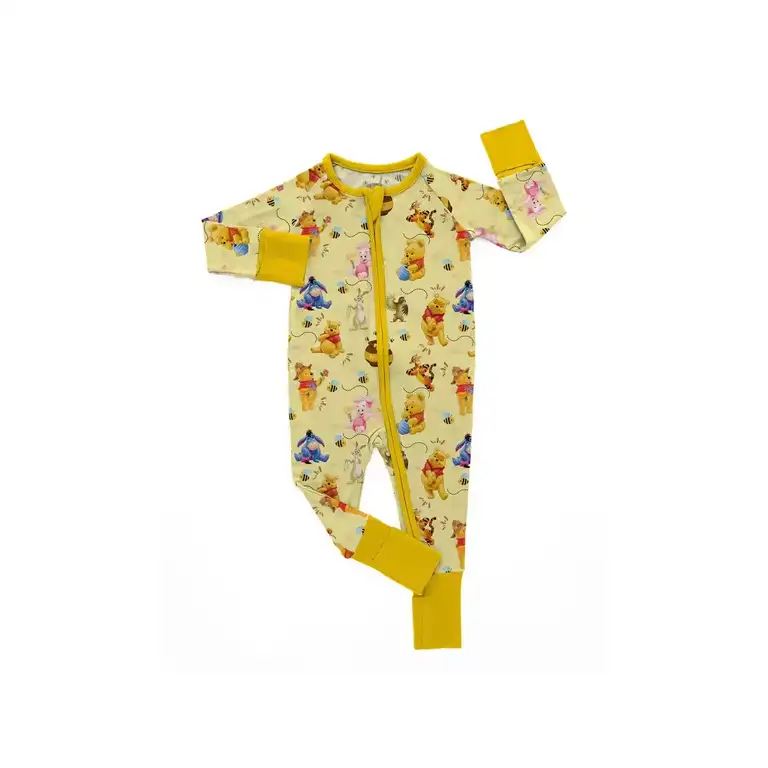
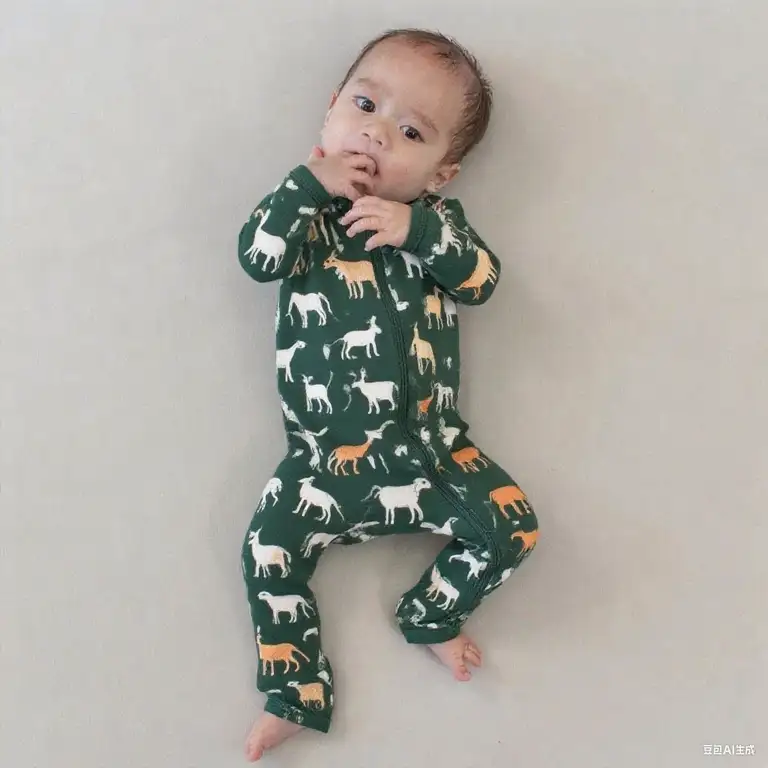
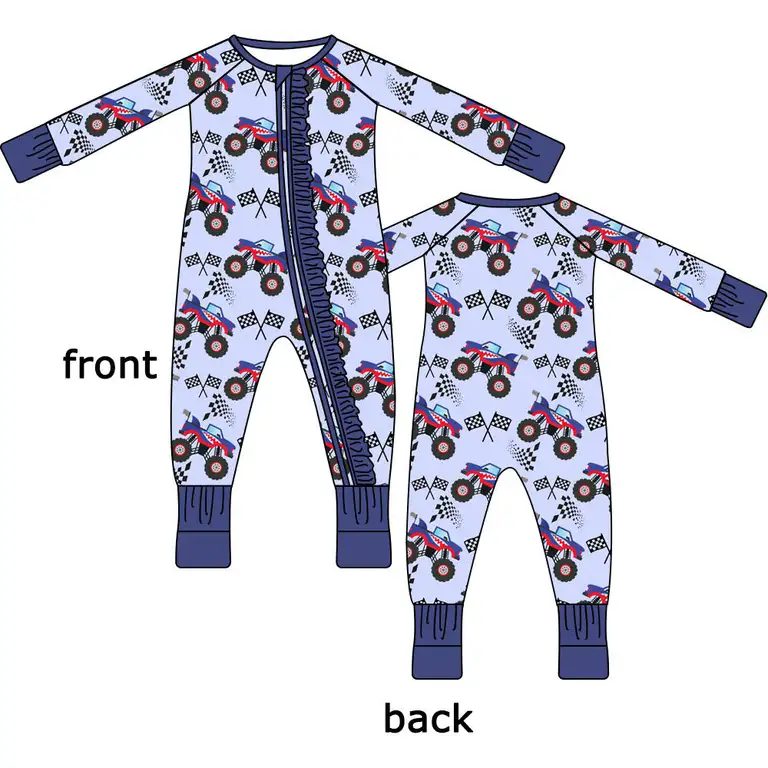
OEM Bamboo Cotton Pajamas Factory Verified Direct

The production and distribution of bamboo cotton pajamas require strict adherence to CPSIA (Consumer Product Safety Improvement Act) and CPC (Children’s Product Certificate) regulations. These laws are critical in ensuring that all products, particularly children’s apparel, are free from safety hazards and comply with labeling and testing standards to avoid legal risks.

CPSIA Compliance Overview for Bamboo Cotton Pajamas
To meet CPSIA standards, all children’s clothing, including bamboo cotton pajamas, must undergo rigorous chemical, mechanical, and physical safety testing. This involves:
- Third-party testing at CPSC (Consumer Product Safety Commission) accredited laboratories for components and assembled garments.
- Compliance with lead and phthalate limits under section 101(a)(2) and section 108 of the CPSIA.
- Documenting compliance through a CPC, which outlines the results of testing and certifies that bamboo cotton pajamas meet federal regulations.
Key CPSIA Testing Areas
Bamboo cotton pajamas must undergo specific CPSIA testing related to the following:
- Lead Content: All components of bamboo cotton pajamas, including buttons, zippers, and embellishments, must not exceed a lead content level of 100 ppm (parts per million) as per section 101(a)(2).
- Phthalates Levels: Any plasticized components used in bamboo cotton pajamas must comply with the CPSIA’s restrictions, which limit individual and cumulative phthalates to 0.1% for DEHP, DBP, BBP, DINP, DIDP, and DnOP.
- Flammability Standards: Especially important for sleepwear, bamboo cotton pajamas must comply with 16 CFR Part 1615 and 1616, ensuring they pass tests for fabric flammability.
Pull-Test Protocols: Mechanical Safety for Bamboo Cotton Pajamas
Pull-testing is a critical procedure to assess the mechanical safety of bamboo cotton pajamas. This test ensures that small parts, such as buttons, snaps, and other embellishments, do not pose a choking hazard. Under CPSIA, the pull test involves applying a force of 15 pounds (66.7 Newtons) to each detachable part of the garment for 10 seconds.
Manufacturers and importers offering bamboo cotton pajamas supply chain solutions must ensure that the following guidelines are adhered to for pull-test validation:
- Thread Quality: Reinforced stitching must be used for high-stress areas to prevent parts from detaching under normal or foreseeable use.
- Attachment Durability: Buttons and snaps used in bamboo cotton pajamas should be securely sewn or affixed using lock-stitches and undergo pull-testing to verify integrity.
- Test Frequency: Conduct pull-tests during pre-production, main production, and upon completion of bulk goods. Randomized sample checks (minimum AQL 2.5 standards) are essential.
Mitigation of Legal Risks
Failure to adhere to CPSIA regulations and pull-test protocols for bamboo cotton pajamas can lead to enforcement actions, including product recalls and civil penalties. To mitigate these risks, businesses involved in bamboo cotton pajamas supply chain solutions must:
- Work exclusively with suppliers and manufacturers who comply with CPSIA and ASTM standards.
- Develop detailed technical packages (TP) for each order with specifications for materials, stitching reinforcement, durability, and safety testing protocols.
- Implement robust QA/QC checks throughout the supply chain and allocate responsibility for maintaining records of test compliance.
Labeling Compliance for Bamboo Cotton Pajamas
Labeling is an often-overlooked critical component of CPSIA compliance. Regulations require that all bamboo cotton pajamas include permanent tracking labels that provide essential identifying information about the garment’s manufacture. The label must contain:
- The product's manufacturing location (country of origin).
- The production batch or lot number.
- Importer or manufacturer contact information.
- The date of manufacture.
- Tracking codes linking back to test reports and a CPC document.
Placement of tracking labels on bamboo cotton pajamas should ensure readability without compromising aesthetics. Labels must be durable to withstand washing, drying, and normal usage. Iron-on or woven labels typically meet these standards.
Flammability Testing and Compliance for Bamboo Cotton Pajamas
Under 16 CFR Parts 1615 and 1616, specific flammability standards apply to children’s sleepwear, including bamboo cotton pajamas. These requirements aim to reduce the risk of burn injuries by ensuring that the fabric either self-extinguishes or burns at a slow rate.
Flammability tests involve subjecting a garment to an open flame for a prescribed time while monitoring the rate of flame spread. For bamboo cotton pajamas, the following factors must be tested:
- Fabric Weight: Heavier fabric weights are typically less flammable and often preferred for bamboo cotton pajamas.
- Fiber Composition: The bamboo-cotton blend used in bamboo cotton pajamas must align with the required chemical finish or treatment to comply with flammability codes.
- Garment Fit: Snug-fitting bamboo cotton pajamas are less flammable and thus less likely to be classified as high-risk sleepwear.
Testing Intervals
Standard practice mandates flammability testing for bamboo cotton pajamas at these production stages:
- Raw Material Validation: Fabrics and trims must undergo testing before mass production, with test results compliant with 16 CFR standards on file.
- Pre-Shipping and QA Approval: Bulk production of bamboo cotton pajamas must provide physical samples for flammability retests before wholesale shipping approval.
Supply Chain Audits in Bamboo Cotton Pajamas Supply Chain Solutions
Premium bamboo cotton pajamas supply chain solutions involve meticulous evaluation of upstream and downstream components. All suppliers and vendors within the supply chain must undergo audits to ensure compliance at every level. These audits include:
- Material Mills: Confirmation that fabric mills adhere to OEKO-TEX Standard 100 or GOTS (Global Organic Textile Standard) certifications for fabric safety.
- Cut and Sew Facilities: Verification of adherence to CPSIA, flammability, and AQL 2.5 standards at garment manufacturing units supplying bamboo cotton pajamas.
- Packaging and Logistics: Compliance audits of packaging contractors and bulk shipping protocols. Packaging materials must have no hazardous chemicals, and cartons/stickers must meet GTIN and FDA labeling laws.
Fabric Durability Testing
All bamboo cotton pajamas must undergo fabric durability tests to meet consumer satisfaction and regulatory longevity demands. These tests cover:
- Pilling Resistance: ASTM D3512 or ISO 12945 pilling evaluations are pivotal to establishing minimum snagging and brushing levels for bamboo cotton pajamas.
- Colorfastness: Garment dyes must pass ISO 105-C06 for wash fastness to ensure that bamboo cotton pajamas maintain appearance after laundering.
- Stretch Recovery: Bamboo-cotton blends in bamboo cotton pajamas must meet elastic recovery test minimums, as defined by ISO 20932, to prevent permanent deformities in garments.
Guidelines for Importers of Bamboo Cotton Pajamas
Importers play a critical role in ensuring the end-to-end compliance of bamboo cotton pajamas. They are required to implement control measures over suppliers, maintain updated testing records, and address risks before broad distribution in U.S. markets. Best practices include:
| Technical Usage Focus | Children Bamboo Fibre Pajamas |
| Core Application Scope | Girl Bamboo Pajamas |
| Base Composition | Pima 207nd Gen |
| Quality Audit | TUV |
| Eco Index | 87% Certified |
| Lead Time | 15 Days |
- Mandatory Loading Inspections: Reliable bamboo cotton pajamas supply chain solutions include container inspections to identify and prevent defective cartons or unmarked shipments.
- Batch-Level CPCs: CPC certificates must accompany every shipping container to prove CPSIA validation for imported bamboo cotton pajamas.
- Liability Insurance: Importers of bamboo cotton pajamas should maintain product liability coverage to mitigate risks stemming from non-compliance.
Role of Customs Sampling
Customs authorities frequently conduct random sampling at ports for wearables like bamboo cotton pajamas. Importers must be prepared with complete documentation, including CPCs, batch testing records, and supply chain audit outcomes, to avoid entry rejections.
Conclusion: Total Compliance Control for Bamboo Cotton Pajamas
Businesses offering bamboo cotton pajamas supply chain solutions must adopt an integrated compliance and safety strategy. This involves implementing ASTM-compliant tests, maintaining robust QA processes, and ensuring transparency across manufacturing, labeling, and shipping documentation. By prioritizing regulatory adherence, your company can secure market success while mitigating consumer safety risks.