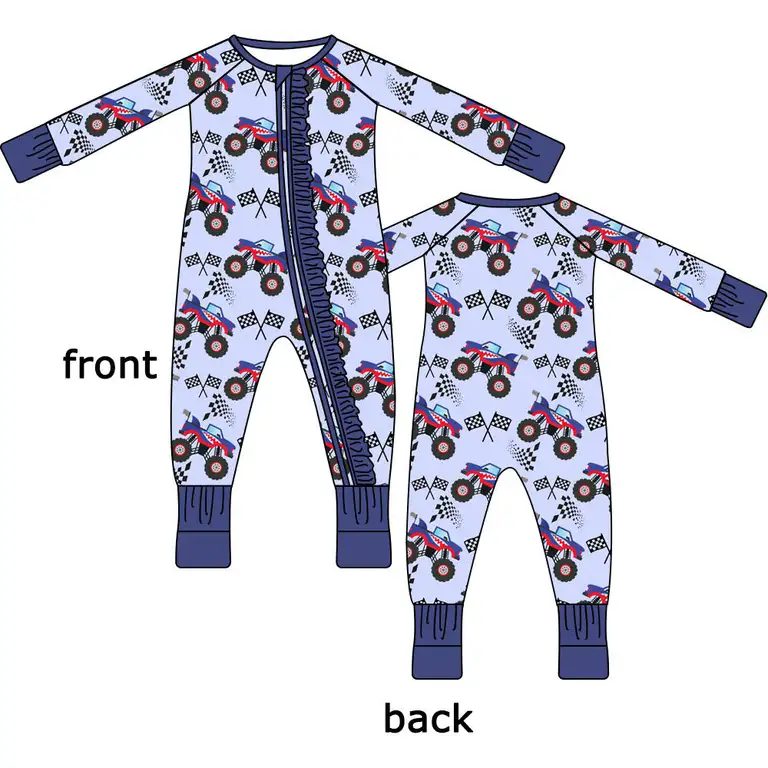
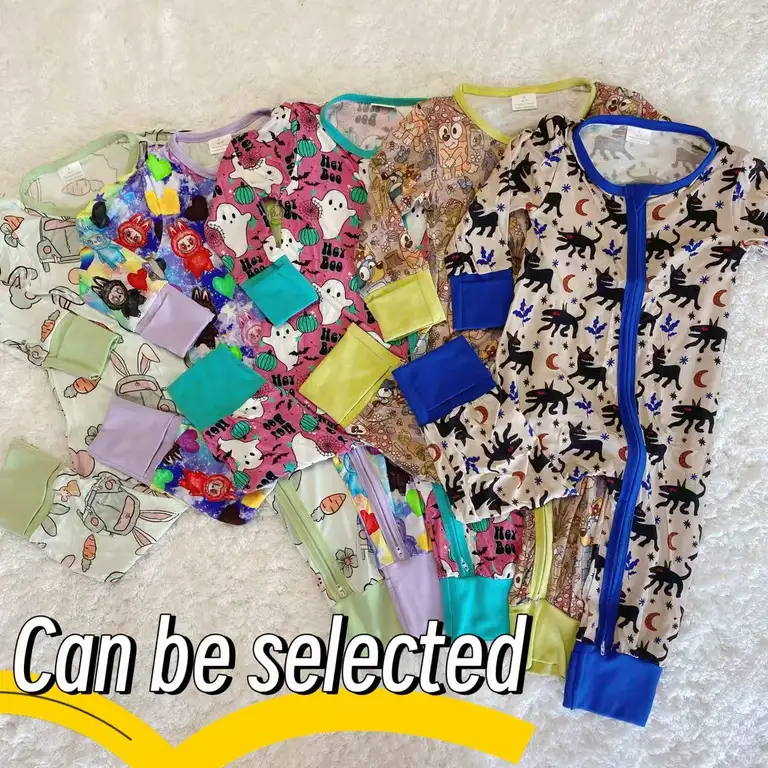
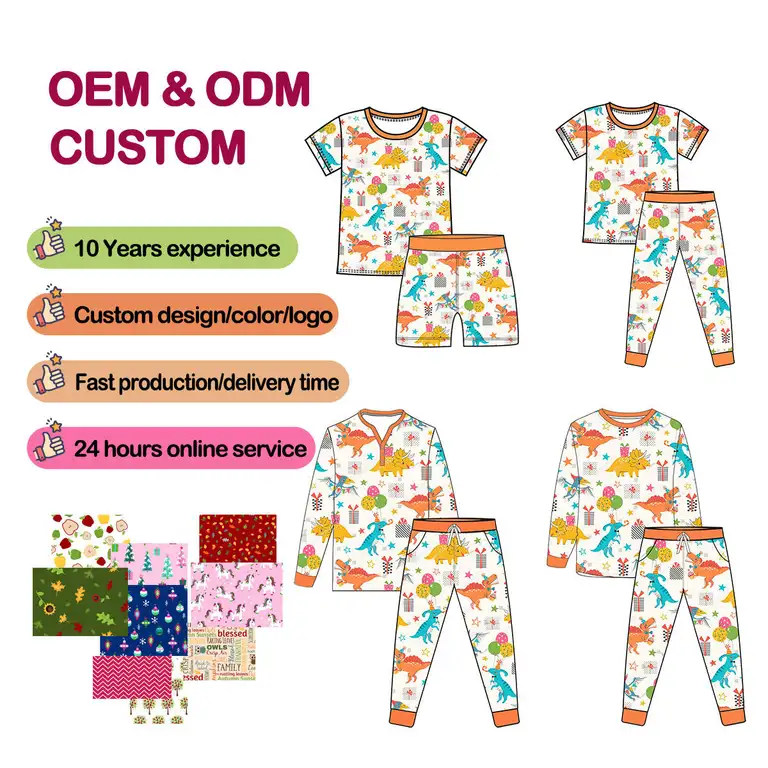
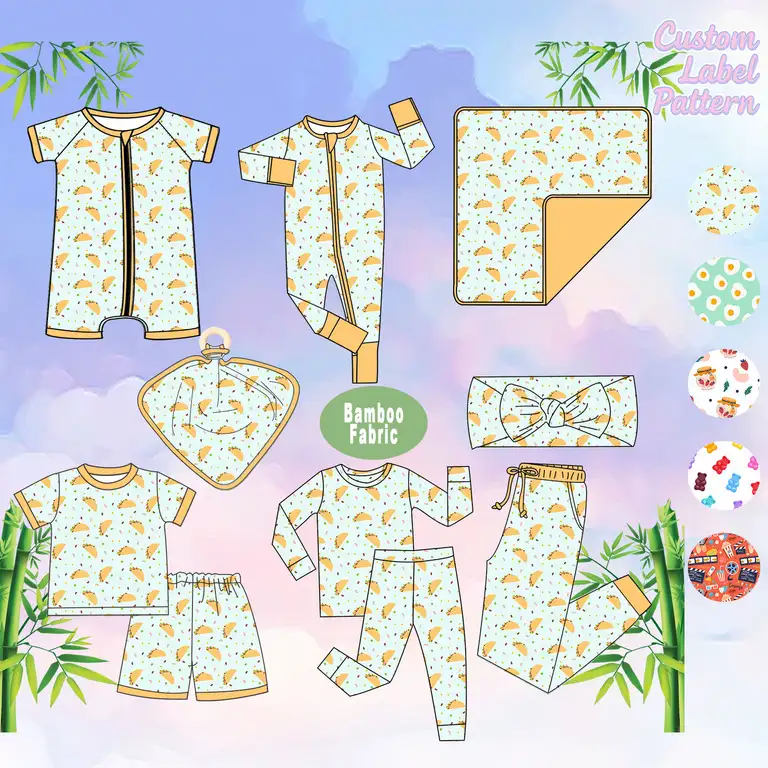
ODM Bamboo Romper Baby Supplier
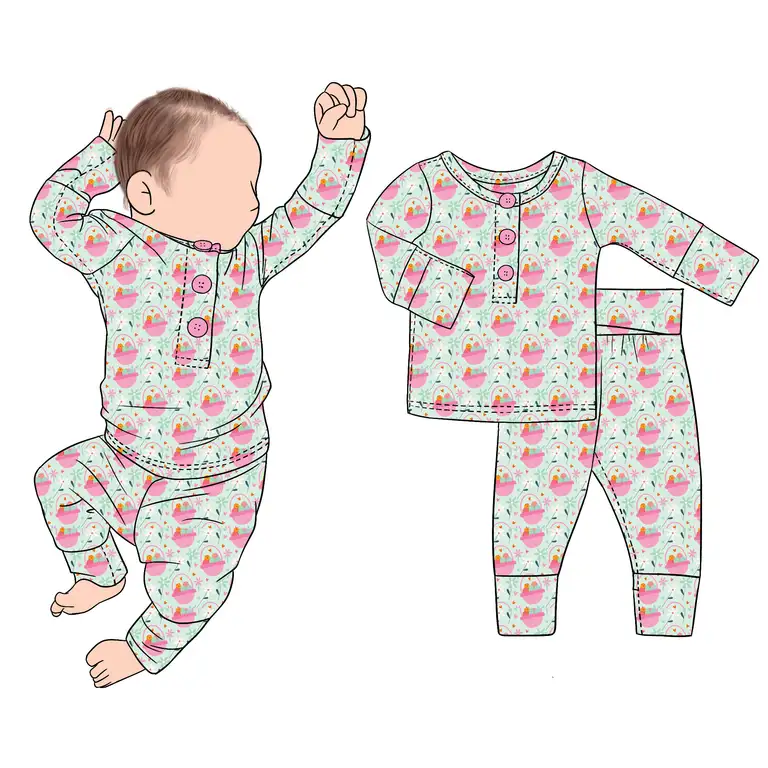
The bamboo romper is quickly becoming a popular choice among parents looking for comfortable, sustainable, and safe clothing for their babies. With the increasing awareness around environmental issues and the demand for eco-friendly products, bamboo has emerged as a favorite material for baby clothing, particularly rompers.
The unique properties of bamboo make it an ideal material for baby clothes. Bamboo is a highly sustainable resource; it grows rapidly and does not require pesticides or herbicides, making it a more environmentally friendly option compared to other materials like cotton. The bamboo plant also uses less water than cotton, contributing to its sustainability credentials.
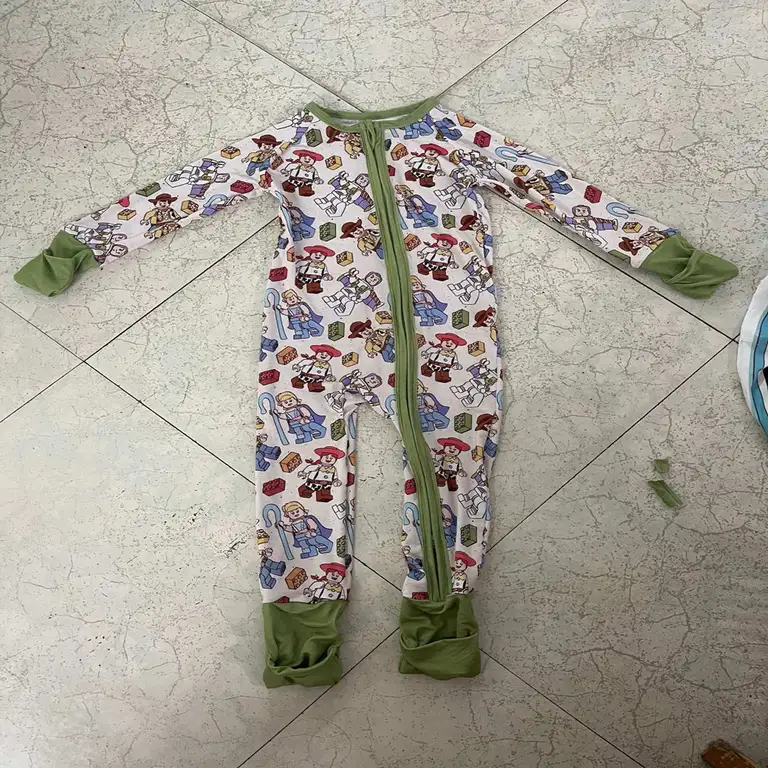
Bamboo rompers offer several benefits that make them particularly appealing to parents. First and foremost is the comfort they provide. Bamboo fabric has a silky-soft feel, which is gentle against a baby's sensitive skin. It is known for being breathable, allowing air to pass through easily, thus preventing overheating and helping to keep the baby comfortable throughout the day.
In addition to comfort, bamboo fabric is naturally hypoallergenic. This is a crucial feature for infants, as their skin is often sensitive and prone to reactions. Bamboo's ability to resist allergens and irritation makes it a safer choice for babies who may have eczema or other skin conditions.
An often-overlooked benefit of bamboo fabric is its durability. Bamboo rompers are known to withstand wear and tear, making them practical for everyday use. They are resistant to stretching and maintain their shape even after multiple washes, which is essential for baby clothing that often undergoes frequent laundering.
Bamboo fibers are also inherently resistant to odors and bacteria, a significant advantage when dealing with baby clothes that often face spills and accidents. This property helps keep the fabric fresh for longer periods, reducing the frequency of washing and extending the garment's lifespan.

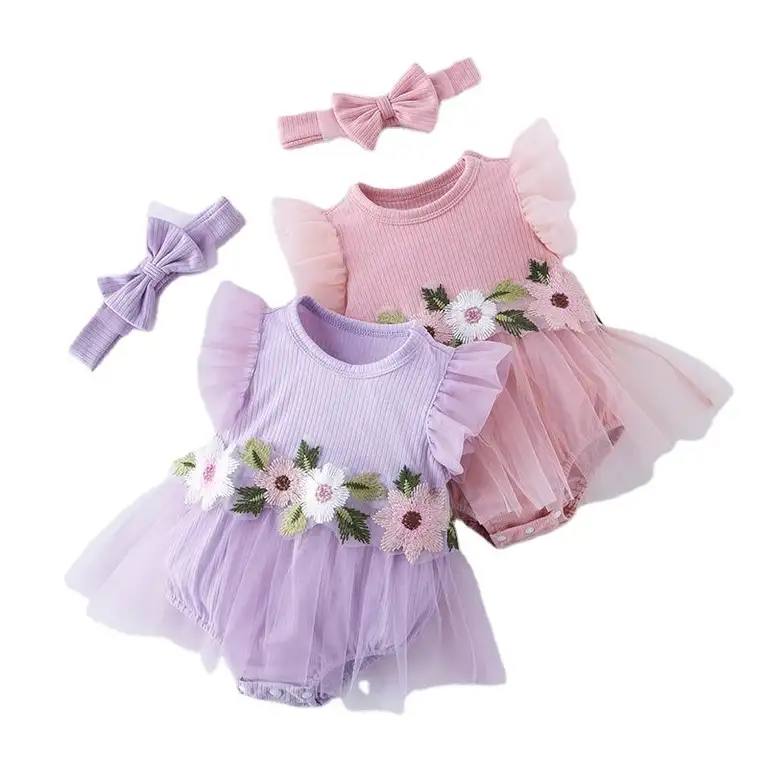
The environmental impact of bamboo products is another significant factor driving their popularity. Parents who choose bamboo rompers are making a conscious decision to support a product that is less harmful to the environment. Compared to traditional cotton production, bamboo cultivation is more sustainable, helping reduce the ecological footprint associated with baby clothing.
Bamboo plantations contribute positively to the environment. The bamboo plant releases more oxygen into the atmosphere compared to hardwood trees, thus improving air quality. , bamboo can improve soil health and prevent erosion, contributing to healthier ecosystems.
Although bamboo rompers may be priced higher than traditional cotton ones, many parents find the cost justified by the numerous benefits they offer. The durability, comfort, and environmental advantages contribute to a sustainable investment. Bamboo rompers last longer, meaning they don't need to be replaced as frequently, potentially saving money in the long run.
| Fabric | Bamboo/Cotton |
| Compliance | ASTM F963 |
| MOQ | 500pcs |
The demand for bamboo-based products is increasing, and as production processes and technologies advance, the price point for bamboo clothing is expected to become more competitive, making it accessible to a broader demographic.
, bamboo rompers for babies present a compelling alternative to traditional baby clothing. They offer unparalleled comfort, hypoallergenic properties, and excellent durability while supporting eco-friendly practices. Parents can confidently choose bamboo rompers, knowing they are providing a healthier option for their baby's skin and contributing positively to the environment.
The benefits of bamboo rompers are not just limited to personal and environmental health but extend to economic and practical aspects, making them a holistic choice for conscientious parents. As awareness and availability grow, bamboo baby clothing is expected to become even more prevalent, encouraging sustainable consumer habits and further innovation in eco-friendly fabrics.