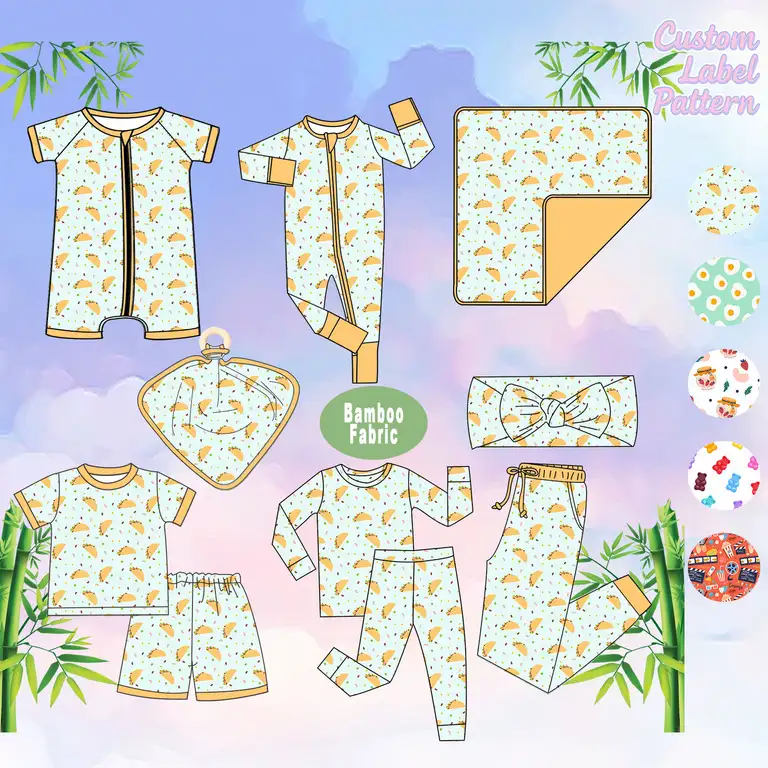
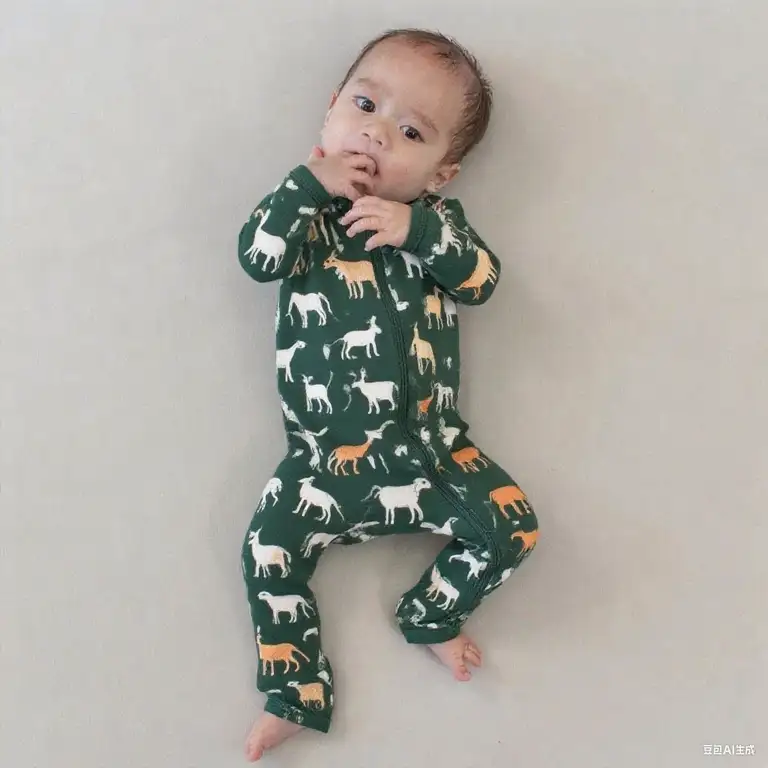
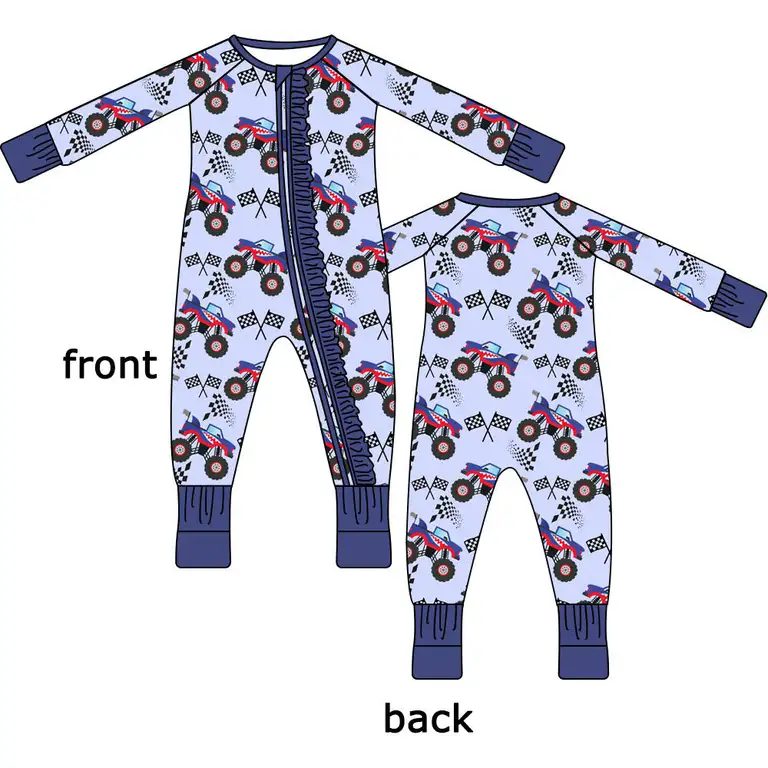
Leading Bamboo Kids Pajamas Wholesale Verified
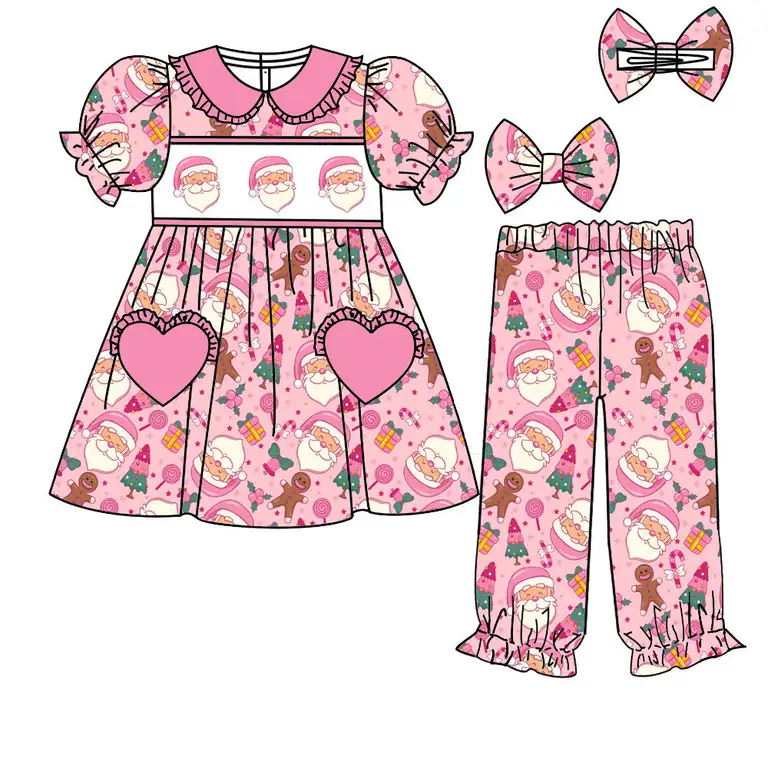
Businesses manufacturing or selling bamboo kids pajamas face strict compliance obligations under several consumer product laws and testing protocols. This guide dissects key requirements under the Consumer Product Safety Improvement Act (CPSIA), the issuance of Children's Product Certificates (CPCs), pull-test testing for garment components, and strategies for minimizing legal risk in the production and sale process. Special focus is given to ensuring your brand's bamboo kids pajamas OEM Custom Design meet all relevant safety standards.

Consumer Product Safety Improvement Act (CPSIA)
CPSIA governs the safety of children’s products and establishes specific criteria that all bamboo kids pajamas must meet. Noncompliance may lead to penalties, recalls, or severe legal consequences. Key regulatory parameters include lead content limits, phthalate restrictions, small parts testing, and labeling procedures for tracking and safety.
For bamboo kids pajamas OEM Custom Design, manufacturers must ensure lead content in surface paints and any coatings does not exceed 90 parts per million (ppm). Testing must also certify compliance with lead limits in substrates, which are capped at 100 ppm for children’s products. This requires accredited third-party testing, with results documented per ASTM F963 regulations.
Phthalates used in producing soft PVCs—commonly found in appliqués or prints—must not exceed 0.1% for any individual phthalate. This is critical for any extraneous embellishments added to bamboo kids pajamas. Your lab test reports should specifically reference compliance with 16 CFR Part 1307.
Children’s Product Certificate (CPC) Requirements
Issuance of a proper Children's Product Certificate (CPC) is a mandatory requirement for bamboo kids pajamas. A CPC certifies that the product complies with all necessary safety regulations based on testing performed by a CPSC-accepted laboratory. Any missing or misaligned details can lead to Customs clearance delays, inventory seizure, or reputational damage.
Manufacturers of bamboo kids pajamas OEM Custom Design must provide a CPC incorporating the CPSC certification requirements, including:
- The identification of the product as bamboo kids pajamas.
- Specific CPSC product safety requirements, including relevant ASTM and 16 CFR standards.
- Information on the authorized manufacturer, importer, and suppliers of the bamboo kids pajamas, including registered addresses.
- Detailed testing data provided by a CPSC-certified lab, including test dates and accreditation credentials.
- The point of manufacture details (city, state, and country).
- Specific date and location of unsafe product detection, if applicable.
Regularly verify your supply chain compliance when developing bamboo kids pajamas OEM Custom Design, particularly with any new updates in federally mandated safety standards to ensure documentation accuracy.
Pull-Test Testing for Hardware and Embellishments
Bamboo kids pajamas with additional features such as snaps, buttons, zippers, or decorative trims are subject to rigorous strength testing to minimize the risk of detachment. One crucial safety protocol for children’s sleepwear is pull-test testing, designed to simulate force applied by a child and ensure all detachable components withstand foreseeable use (and misuse).
Pull-test requirements, as per ASTM F963 and CPSC guidelines, typically dictate a minimum of 15 pounds of force for products intended for children aged 0-36 months. For older age ranges, thresholds may vary slightly depending on the garment design and category under which the bamboo kids pajamas or bamboo kids pajamas OEM Custom Design fall. Manufacturers should use calibrated pull-force gauges and follow specific ANSI/ASTM/Torque standard procedures during assessment.
Documented evidence of passed pull-test results should be retained in compliance records for at least five years post-manufacturing. Proactively conducting random pull-test sampling during ongoing production batches ensures consistent quality under AQL 2.5 standards.
Labeling and Care Instructions
FedReg standards require comprehensive and accurate labeling for all bamboo kids pajamas sold in the United States. Noncompliance is a recurrent area for enforcement actions, so rigorous labeling audits should be a routine part of your supply chain oversight. Include these mandated details on the label:
- Text confirming the product complies with the flammability requirements under 16 CFR Part 1615 (if applicable).
- Material composition (e.g., 70% organic bamboo fiber, 30% spandex).
- Tracking label that assists consumers in tracing production lot and safety inspection records.
- Manufacturing date, location, and lot number details.
- Import and manufacturer name, address, and telephone number.
For bamboo kids pajamas OEM Custom Design, additional care instructions need to address the proprietary features integrated into the sleepwear. Provide clear laundering guidelines, including washing temperature limits to maintain compliance with CPSIA’s durability stipulations.
Flammability Standards and Testing
A critical element of conformity for bamboo kids pajamas is their adherence to the flammability performance codes established under 16 CFR Part 1615 and 1616. Children's sleepwear must either pass the mandatory vertical flammability test or qualify for snug-fitting exemptions. For snug-fitting bamboo kids pajamas, the garment must display an exacting set of dimensions defined under 16 CFR 1615.1(o) (e.g., a body fit ensuring total fabric does not hang loose).
Testing for compliance requires replicable scientific data; CPSC-certified labs must therefore conduct these assays. Vertical flammability tests typically require 50 wash-and-dry laundering cycles to simulate extended product use, ensuring that the applied fabric finishes or treatments do not degrade to unsafe levels prematurely. Certify each style and size variant of your bamboo kids pajamas to avoid penalties or product recalls.
Legal Risks for Noncompliance
Selling noncompliant bamboo kids pajamas or bamboo kids pajamas OEM Custom Design abroad or domestically can lead to litigation, costly product recalls, and brand reputation damage. The CPSC has the authority to ban a product from sale, impose administrative fines, and enforce corrective actions in the event of consistent noncompliance.
Manufacturers frequently underestimate the importance of ongoing safety audits for certified designs. Maintain a quarterly inspection schedule, wherein every design and structural element of your bamboo kids pajamas and bamboo kids pajamas OEM Custom Design products are tested against updated guidelines. Certain states, including California (via CA Prop 65), also impose additional restrictions beyond federal mandates, requiring hazard warnings for businesses distributing within those jurisdictions.
It’s critical to establish supplier agreements that put responsibility on material vendors for providing certified, test-vetted inputs for bamboo kids pajamas. Demand a warranty of conformity from your suppliers and conduct random lab testing to ensure that supplied materials do not pose contamination risks. Inconsistent supply chain risk mitigation poses substantial legal liabilities, particularly in cases involving defective items targeting children.
Inspection Standards: AQL 2.5
Implementing Acceptable Quality Limit (AQL) 2.5 standards ensures that manufacturing tolerances, defect classifications, and pull-test quality audits for bamboo kids pajamas meet commercial safety requirements. Under AQL 2.5, there is acceptable leeway for minor defects (e.g., minor stitching irregularities that do not compromise product safety); however, critical and major defects, such as noncompliance with pull-tests or the presence of loose components, must receive a conformity rating of zero tolerance.
A transparent inspection framework requires consistent cross-referencing of internal findings with independent third-party test data. This minimizes disputes related to defective materials identified in customs, warehouses, or retail environments. For bamboo kids pajamas and bamboo kids pajamas OEM Custom Design, invest in state-of-the-art visual inspection tools that integrate with production automation dashboards.
Developing an Effective Recall Action Plan
If testing raises unresolved compliance risks, prepare for potential recalls by crafting a corrective-action plan in accordance with CPSC guidelines. Early risk acknowledgment will mitigate penalties for noncompliant bamboo kids pajamas that may already have entered commerce streams. Include boilerplate claims processes, templates for response documentation, and a streamlined database for monitoring consumer complaints.
For bamboo kids pajamas OEM Custom Design, involve licensed legal counsel specializing in children’s product liability. Forward compliance testing failures to this legal team for immediate resolution plans that minimize market exposure during an active recall phase. Implementing internal controls, such as automated label scanning or a hard stop on rejecting flagged SKUs, is key to risk minimization.
Bulk Shipping Protocols and Documentation
Customs compliance is mandatory for bulk import/export of bamboo kids pajamas. Failure to submit proper testing certificates, batch inspection reports, or CPCs may result in shipments being held or destroyed. Each trailer, pallet, or container must clearly display tracking labels for enhanced package traceability, correlating to batch identification systems.
Use pre-shipment inspection (PSI) reports that extensively outline packaging conformity to customer-specific criteria for bamboo kids pajamas. The National Institute of Standards and Technology (NIST) outlines a robust supply chain process emphasizing skid/stacking weights, entry point temperature negotiations, and barcode scanning frequencies at exchange junctures. Violations can lead to irrecoverable storage and demurrage backlogs within designated ports.
If a carrier malfunctions or temperature-sensitive materials (e.g., treated bamboo fabric finishes for bamboo kids pajamas OEM Custom Design) degrade during exportation, file immediate claims using freight insurance backed by clear documentation packets, such as Material Safety Data Sheets (MSDS) and thermal logs.
Best Practices for Supply Chain Risk Mitigation
Proactive collaboration with suppliers ensures legal conformance. Clarify lead-time guarantees to avoid supply bottlenecks affecting your bamboo kids pajamas. Create standardized RSL (Restricted Substances List) checklists and conduct random verification audits for all material inputs used in the creation of bamboo kids pajamas OEM Custom Design.
Transport containers designated for bamboo kids pajamas require variable-volume floor plans to maximize capacity and reduce void spaces that may catalyze product contamination in transit. For international customs, consult an IATA-compliant clearing agent to ensure tariffs, HTS codes, and shipment values remain up-to-date as international laws evolve.
| Strategic Textile Requirement | Bamboo Sleeping Bag |
| Quality Audit | TUV |
| Target Manufacturing Parameter | Cotton And Bamboo Pajamas |
| Eco Index | 92% Certified |
| Lead Time | 18 Days |
| Base Composition | Bamboo 959nd Gen |
Avoid risky shortcuts, including bypassing pre-shipment inspection protocols or mixed manufacturing between non-child-specific apparel and bamboo kids pajamas. Such measures can trigger escalated investigations and prolonged port-side detentions.
Penalties and Civil Fines
Violations stemming from improper labeling or testing for bamboo kids pajamas can attract civil penalties of up to $15 million per violation in the United States. Misrepresentation or forgery of CPCs for bamboo kids pajamas OEM Custom Design exposes businesses to criminal charges under the Consumer Product Safety Act (CPSA). Sections 12, 15, and 20 of the CPSIA empower the CPSC to classify severe noncompliance cases as "imminent hazards," enabling rapid sanction protocols such as product clearance bans and recalls.
Long-term noncompliance undermines a company’s ability to secure retailer accounts. Maintain strategic transparency over tracking programs and work closely with bicoastal warehouse providers to ensure seamless fulfilment. This bolsters operational accuracy for both certification renewals and unannounced CPSC-led inspections of bamboo kids pajamas.
Conclusion: Operational Accountability
Although not an exhaustive checklist, strict adherence to CPSIA compliance and improved pull-testing safeguard consumer safety and minimize inherent legal risks. Due diligence must extend across every function within the bamboo kids pajamas supply chain. Legal frameworks surrounding children’s apparel, particularly in North America, are evolving; ensuring material compliance, issuing CPCs, and minimizing legal exposure in bulk operations for bamboo kids pajamas OEM Custom Design is fundamental.