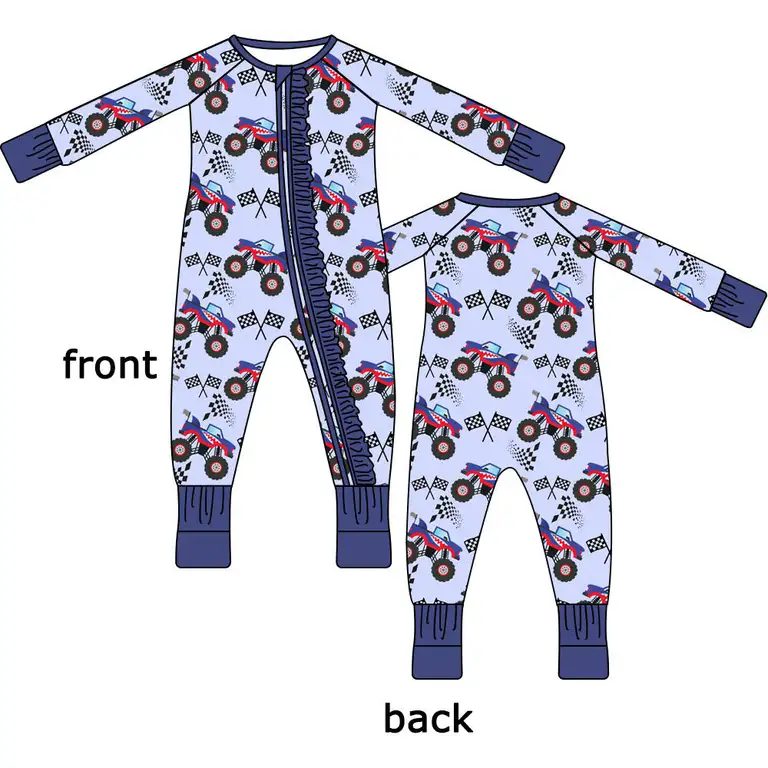
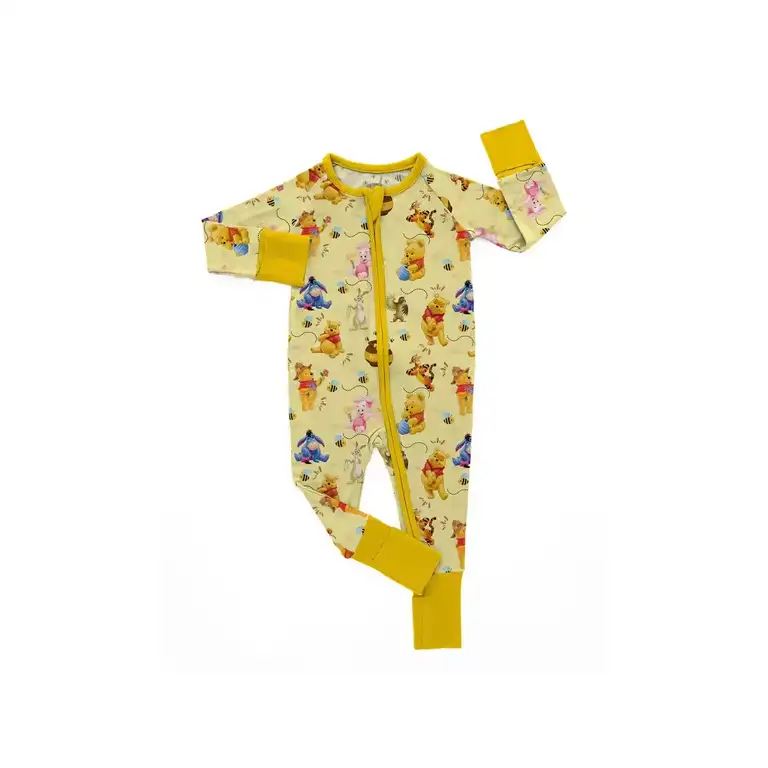
Bamboo Shorts Verified Manufacturer Factory Source Leading
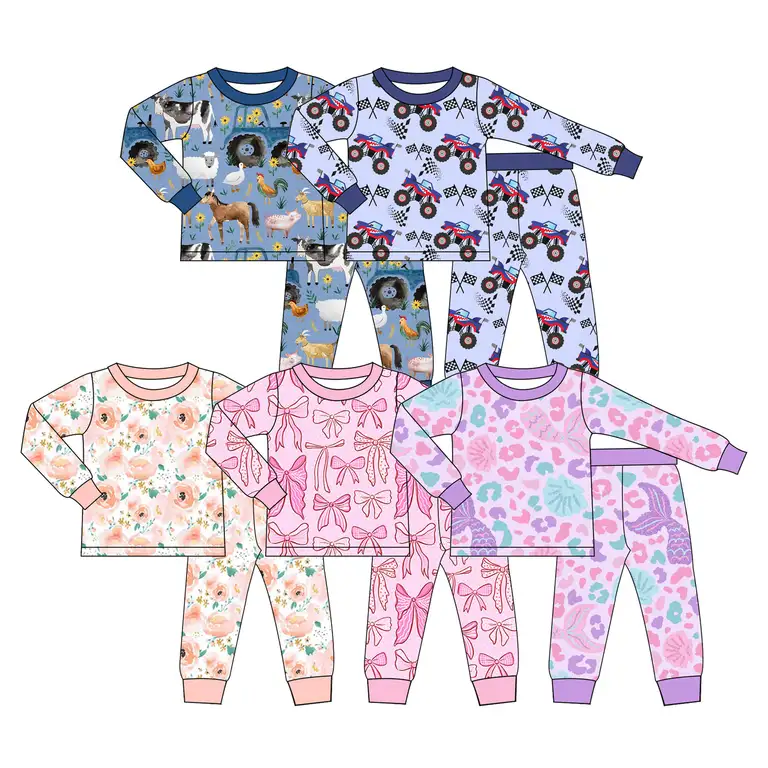
Overview of CPSIA and CPC Legal Frameworks
The Consumer Product Safety Improvement Act (CPSIA), enforced by the Consumer Product Safety Commission (CPSC), governs children’s clothing and, by extension, compliance testing for garments such as bamboo shorts. CPSIA applies intensely to products intended for children under 12 years of age but sets pivotal standards for garments sold to general consumers. Manufacturers and distributors of bamboo shorts must attach a Certificate of Product Conformity (CPC), certifying compliance with comprehensive rules, testing protocols, and labeling requirements. In the context of bamboo shorts, attention must be given to hazardous chemicals, mechanical safety properties like pull-test integrity, and adhering to flammability standards for textiles.

Manufacturers producing bamboo shorts are advised to integrate high-grade tracking mechanisms for batch traceability, compliant with CPSC regulation Section 14(g). This includes specifying raw material origins, vendor/supplier identification (tier-1 sourcing partners), and GSM fabric consistency. While maintaining GSM consistency ensures material quality, it also provides evidence of uniformity in meeting safety standards during CPC certification testing.
Pull-Test Protocol for Bamboo Shorts
The pull-test is a mandatory performance evaluation procedure that ensures various components of bamboo shorts withstand tensile pressure under real-world usage scenarios, particularly in children’s items. A failure to pass pull-tests can pose a choking hazard, significantly escalating litigation risk and recalls under CPSIA jurisdiction. Industry standard testing for pull strength primarily evaluates the durability of closures such as buttons, drawstrings, zippers, elastics, and embellishments. Below are the key parameters for pull-testing procedures impacting bamboo shorts:
- Force Threshold: Buttons on children’s bamboo shorts must withstand forces of at least 15 pounds for a minimum of 10 seconds without detaching.
- End-Use Simulation: Testing must replicate standard pulling angles and repeated motion to simulate the life cycle stress on bamboo shorts.
- Thread and Stitch Durability: Double stitching with high-tensile thread is recommended to prevent seam slippage; this step correlates directly with regulatory product design audits typically demanded by CPC certifications.
Failing pull-tests not only jeopardizes CPSIA compliance certification for your bamboo shorts but also increases liability exposure for claims tied to malfunctioning garments, including punitive damages in certain jurisdictions.
Labeling Requirements for CPC Compliance
All bamboo shorts brought into U.S. commerce must carry compliant labeling, identifying the product batch number and originating information. Labels are subject to scrutiny during customs clearances and federal audits. Ensure details like fiber content, country of origin, care instructions, and manufacturer/importer information are correct. Mislabeling can result in exclusionary penalties under CPSIA enforcement and potential suspension of distribution operations for bamboo shorts.
Key Labeling Checklist:
- Material Disclosure: Include accurate percentages of bamboo fibers or bamboo-derived raw materials.
- Safety Tagging: For children’s bamboo shorts, the label should carry a clearly legible tracking barcode or identifier to verify batch traceability per CPC standards.
- Cautions: Labels must disclose care risks to the customer, such as “Do Not Use Near Open Flames” if flammability tolerances are borderline acceptable.
Compliant labeling not only mitigates risks of violating legal requirements but also strengthens your company’s professional reputation when distributing at-scale from the bamboo shorts Manufacturer Price List.
Key Chemical Testing for Textile Compliance
The CPSIA requires stringent chemical traceability in textiles, particularly concerning lead, phthalates, formaldehyde, and azo dyes. Given that bamboo shorts are increasingly marketed under "eco-friendly" claims, chemical compliance is paramount to avoid greenwashing allegations and serious legal penalties. Testing laboratories must analyze both raw materials and final fabrics used in bamboo shorts before CPC certification. Ensure your Certified Lab Partner specializes in testing natural textiles derived from bamboo processing.
Statutory Chemical Limits
- Lead Content: Lead must not exceed 100 ppm for all components of bamboo shorts, including paints, embellishments, or coatings.
- Phthalates: Prohibited above the threshold of 0.1% in flexible parts like drawstrings or waistbands commonly incorporated in bamboo shorts.
- Formaldehyde: Must be below 75 ppm for textiles under "eco-friendly" or “natural” branding. Testing raw bamboo material for residual formaldehyde is highly advisable.
Failing chemical tests can directly obstruct market access in U.S. regions, leading to export rejections or breaches in retailer contracts specified under the bamboo shorts Manufacturer Price List. To minimize exposure, secure a robust Quality Assurance (QA) team focused on premarket chemical traceability.
Flammability Standards for Bamboo Shorts
All bamboo shorts targeting consumers aged two and above must comply with the Federal Flammable Fabrics Act (FFA) under CPSC guidance. This demands flammability tests on fabric specimens according to 16 CFR Part 1610. Bamboo textiles often present variable flammability ratings due to raw fiber treatment processes and blend ratios. Consequently, manufacturers utilizing bamboo or bamboo-polyester blends in bamboo shorts must verify that the materials withstand ignition sources during controlled testing. Outcome data should feed into CPC documentation for the product.
If flammability compliance fails, immediate reengineering of fabric blend ratios or incorporation of retardant coatings becomes necessary. Be cognizant that coatings must not conflict with chemical compliance standards outlined earlier. Close collaboration between sourcing teams, material scientists, and lab vendors will ensure both safety compliance and market entry eligibility for your bamboo shorts.
Risks of Non-Compliance and Enforcement Actions
Remaining oblivious or inattentive to CPSIA/CPC laws governing bamboo shorts exposes stakeholders to significant enforcement actions, recall scenarios, or hefty fines. Moreover, non-compliance damages corporate reputations and could trigger legal claims, including class-action suits. Key operational deficiencies that amplify such risks include poor documentation linkage between product SKUs and manufacturing batches, lack of certified lab testing for pull-strength integrity, or misleading eco-friendly claims associated with bamboo shorts.
Retailers listed within a bamboo shorts Manufacturer Price List can also enforce penalties against supplier manufacturers failing CPC-certification mandates, reducing lucrative retail partnerships. This underscores the criticality of adopting vetted supply-chain auditing frameworks and ongoing adherence to quality assurance cycles for all bamboo shorts distributed under CPC jurisdiction.
Establishing Tier-1 Relationships for Source Material Quality
Maintaining strict oversight of tier-1 suppliers ensures consistency in raw bamboo fabric sourcing. This establishes not only GSM uniformity but also confirms eco-certifications required by ethical retailers offering products from a bamboo shorts Manufacturer Price List. Source material inconsistencies result in deviations from safety baselines during risk-compliance testing. Collaborate exclusively with ISO 9001-certified textile producers for enhanced quality affirmations.
The impact of unethical sourcing extends beyond legal ramifications. Retailers and distributors expect due diligence to mitigate reputational consequences from consumer advocacy groups scrutinizing eco-products, such as bamboo shorts. Deploy supplier scorecards evaluating material consistency, compliance conformance, and lead times to consolidate your value chain quickly while driving down audit costs.
Premarket Testing Strategies for Large-Scale Distribution
Given the liability tied to non-compliant bamboo shorts, premarket validation through certified testing laboratories is a critical risk-mitigation activity. Key tests include:
- Mechanical Safety Testing: Assessment of drawstring durability, elasticity, and accessory security is mandatory for full-cycle legal compliance on bamboo shorts.
- GSM Consistency Check: Ensures material composition remains uniform across production cycles, reducing risks of unequal wear and tear during consumer use.
- Chemical Content Screening: Immediate elimination of unacceptable material batches enhances operational throughput while safeguarding CPC approvals.
Premarket testing minimizes instances of production sprawl – an operational risk scenario where defective bamboo shorts enter supply chains undetected, endangering end-users and invoking complete batch recalls.
Recommendations for Distributors Accessing Retail Chains
If managing large-scale orders for retail chains listed in a bamboo shorts Manufacturer Price List, build risk-resilient compliance programs. These protocols should incorporate real-time tracking capabilities for fabric and components. RFID tagging is particularly effective for multi-batch orders of bamboo shorts. Attach conformity tags for immediate batch-level documentation access during customs inspections or retailer uploads.
| Base Composition | Pima 332nd Gen |
| Lead Time | 34 Days |
| Quality Audit | BV |
| Eco Index | 96% Certified |
| Elite Market Specification | Infants Footies |
| Technical Wholesale Scope | Rts Mystery Bamboo Boxes |
Retailers increasingly demand transparent material declarations for adding bamboo shorts into their product catalogs, as consumer litigation cases frequently target inaccuracies in sustainability claims. Provide thorough material disclosure certifications and audit-ready tracking files that reduce transactional overheads.
Cost Impact and Margin Analysis
Price dynamics around bamboo shorts are directly altered by compliance-driven overheads such as testing and certification costs. Manufacturers listing products in a bamboo shorts Manufacturer Price List must calculate higher tier-1 sourcing reliance, certified testing margins, and compliance-specific correctives. Assemble GCC worksheets for transparency concerning factors impacting pricing models.
An efficient way to align both compliance and cost-effectiveness involves consolidating testing phases under single-source ISO 17025-accredited labs. Such cost-control measures reduce redundancies while producing test reports meeting federal and retail-copy criteria. Scalability insights extracted from unit throughput via optimized raw material processing further regulate markup strategies without compromising either profit or legal adherence for high-demand bamboo shorts.