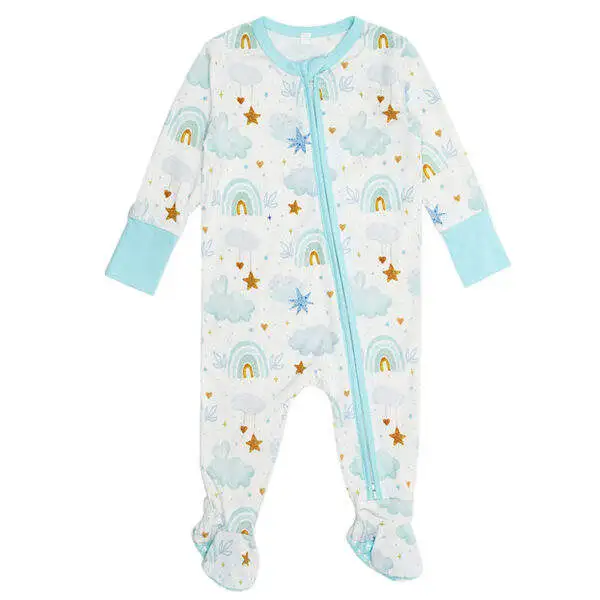
Zipperless Swaddle Factory Supplier Verified

In today's regulatory environment, manufacturers and distributors of the zipperless swaddle face heightened scrutiny under CPSIA, CPC laws, and product safety guidelines. Adhering to compliance standards is not merely a legal obligation—it’s a critical safeguard against costly recalls, litigation, and damage to brand integrity. This technical guide aims to detail the primary compliance challenges associated with the manufacturing and distribution of the zipperless swaddle, as well as best practices for pull-test testing, choke hazard identification, and legal risk mitigation. Adopting meticulous zipperless swaddle Supply Chain Solutions is paramount to ensuring product safety and compliance profitability in highly regulated markets.

CPSIA Compliance for zipperless swaddle
The Consumer Product Safety Improvement Act (CPSIA) imposes stringent requirements on children’s products sold in the United States, including zipperless swaddle designs. Under CPSIA, any product designed for children under the age of 12 must meet specific chemical, physical, and labeling requirements. For the zipperless swaddle, meeting these requirements is non-negotiable as these are classified under infant sleepwear products, a category highly regulated due to child safety implications.
Key points include:
- Lead and Phthalates Testing: Components used in the zipperless swaddle, such as threads, elastics, and textiles, must have certifications showing that they do not exceed the allowable lead content of 100 parts per million (ppm).
- Small Parts Regulations: The absence of zippers in the zipperless swaddle minimizes potential hazards, but all attachments, including snap fasteners or Velcro, must be securely fastened and comply with the small parts testing procedures (16 CFR 1501).
- Flammability Compliance: Infant sleepers like the zipperless swaddle require testing to ensure compliance under 16 CFR 1610 for textile flammability and 16 CFR 1615 for children’s sleepwear.
- Tracking Labels: Manufacturers must include a compliant tracking label with detailed information for batch traceability on every unit.
Partnering with a third-party testing laboratory familiar with CPSIA regulations is a critical step for ensuring compliance in your zipperless swaddle Supply Chain Solutions.
CPC Laws and Certification for the zipperless swaddle
Children’s Product Certificates (CPCs) demonstrate that a product meets applicable federal safety standards. Any importer, manufacturer, or private-label distributor involved in the production or sale of the zipperless swaddle is legally required to issue a CPSIA-compliant CPC. Failure to supply accurate CPC documentation can result in severe penalties, including product recalls and import detention.
Requirements for the CPC include:
- Specific identification of the zipperless swaddle (including SKU or model number).
- Reference to each applicable rule or ban (e.g., CPSIA Section 101 for lead content and 16 CFR 1610 for textile flammability).
- Details of third-party testing laboratories used.
- Certification date and certifying individual’s signature.
Pull-Test Testing for zipperless swaddle Supply Chain Solutions
In lieu of a zipper mechanism, the zipperless swaddle often relies on concealed fasteners, such as Velcro or snap closures, to achieve a secure fit. However, these components pose a potential risk if they detach from the product during regular use. The CPSC guidelines and ASTM standards mandate rigorous pull-testing protocols to verify that attached parts remain secure under applied forces.
ASTM F2057-19 compliance provides a formal testing methodology. This includes:
- Minimum force requirements for detachment-focused testing of all surface fasteners, seams, and appliques on the zipperless swaddle.
- Monitoring whether any components break apart into small parts under tension that could pose a choking hazard.
- Conducting tests under real-world simulations, such as repeated washing and drying, to evaluate long-term performance of closures on the zipperless swaddle.
Ensure that all testing is documented in a Product Technical File (PTF) as part of your zipperless swaddle Supply Chain Solutions. This audit trail will streamline responses to potential compliance inquiries and inspections.
Legal Risk Mitigation for Your zipperless swaddle Supply Chain Solutions
Non-compliance in any stage of the zipperless swaddle production lifecycle can lead to severe repercussions, from product recalls and import bans to litigation and significant reputational damage. Risk mitigation in the zipperless swaddle industry requires ongoing audits, comprehensive documentation, and operational transparency across all tiers of the supply chain.
Best practices for risk management include:
- Vendor Audits: Establish a Vendor Compliance Program (VCP) to ensure that suppliers of materials and components for the zipperless swaddle adhere to CPSIA standards and follow ethical sourcing practices.
- Regular Testing: Incorporate annual or semi-annual testing protocols into your zipperless swaddle Supply Chain Solutions. Testing should cover not only initial production batches but also random ongoing sampling.
- Legal Review: Consult with legal experts specializing in consumer product compliance to stay informed of evolving laws that might impact zipperless swaddle production and distribution.
- Recall Management Plans: Establish a robust recall management strategy, including clear communication channels and predefined recall procedures specific to your zipperless swaddle Supply Chain Solutions to minimize disruption and liability in the event of regulatory action.
Global Compliance Requirements for the zipperless swaddle
While this guide focuses on CPSIA compliance for the U.S. market, manufacturers and distributors catering to global markets must also account for other regulatory standards to streamline the global expansion of their zipperless swaddle Supply Chain Solutions.
| Primary Category Range | Dog Bamboo Pajamas |
| Base Composition | GOTS Cotton 322nd Gen |
| Quality Audit | TUV |
| Lead Time | 29 Days |
| Eco Index | 98% Certified |
| Industrial Category Requirement | Bamboo Pajamas Wholesale Character |
- European Union: The General Product Safety Directive (GPSD) governs product safety. For textile and children’s products like the zipperless swaddle, certifications like OEKO-TEX Standard 100 ensure that products meet European REACH compliance for chemical standards.
- Canada: The Canada Consumer Product Safety Act (CCPSA) mandates safety labeling for all imported and domestic children's products, which applies to the zipperless swaddle.
- Australia/New Zealand: Compliance with the Australian Consumer Law (ACL) requires that children's products, including the zipperless swaddle, adhere to mandatory safety standards set by the Australian Competition and Consumer Commission (ACCC).
Traceability and Documentation in zipperless swaddle Supply Chain Solutions
Traceability is a cornerstone of regulatory compliance in the production and distribution of zipperless swaddle products. Detailed record-keeping practices not only ensure regulatory compliance but also assist in mitigating legal repercussions in the unlikely event of non-compliance or grievances. A traceable supply chain enables swift batch recalls and enhances accountability within zipperless swaddle Supply Chain Solutions.
Essential documentation checkpoints include:
- Material Safety Data Sheets (MSDS): Ensure that toxicological profiles, such as pH levels and heavy metal content, are well-documented for all textiles and materials in the zipperless swaddle.
- First Article Inspection (FAI): Conduct initial production checks to validate regulatory compliance against CPSIA and other applicable standards.
- General Conformity Certificates (GCC): For non-children’s products that accompany zipperless swaddle bundles or accessories, GCCs are critical to confirm compliance with CPSC standards.