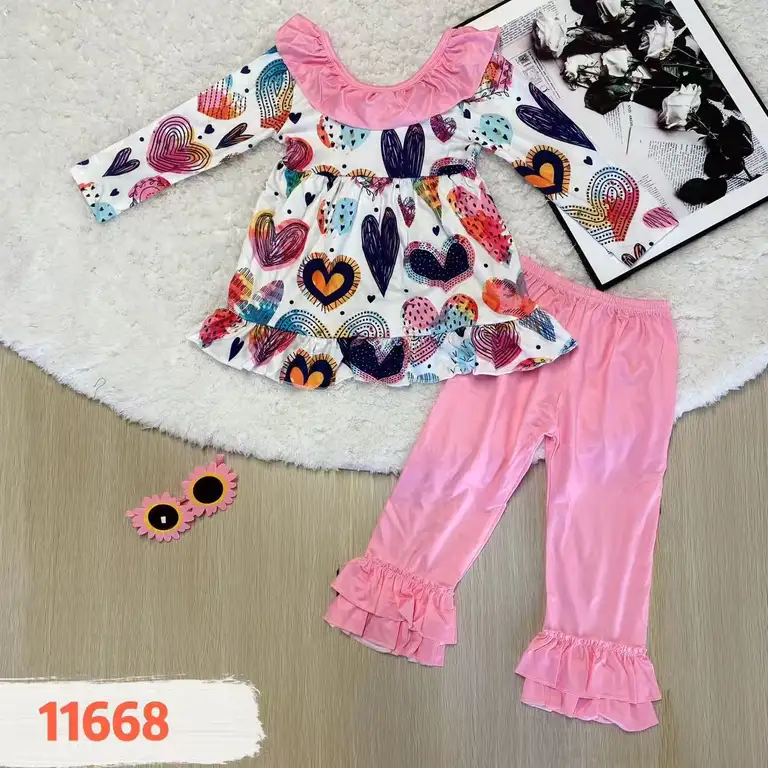
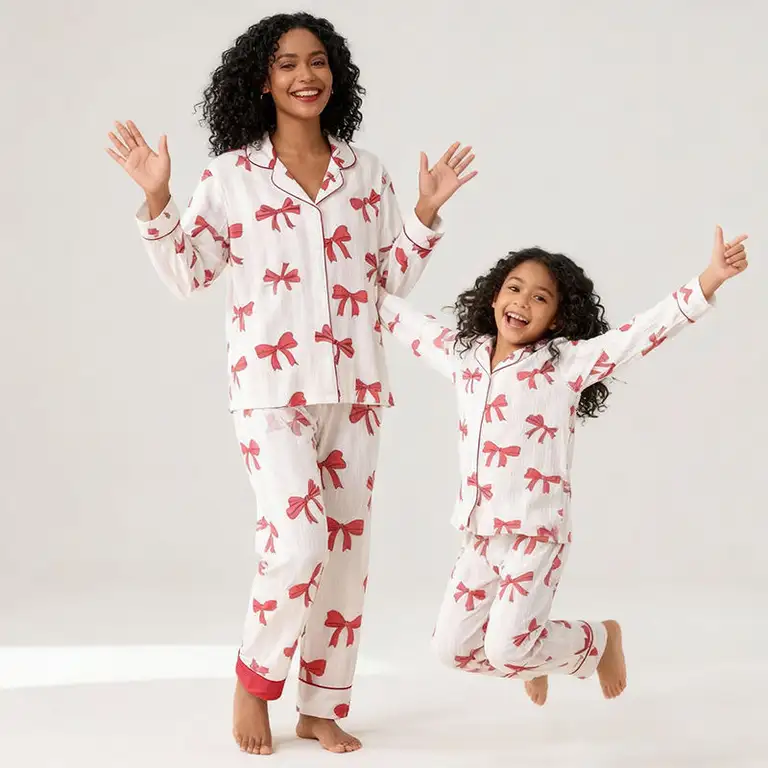
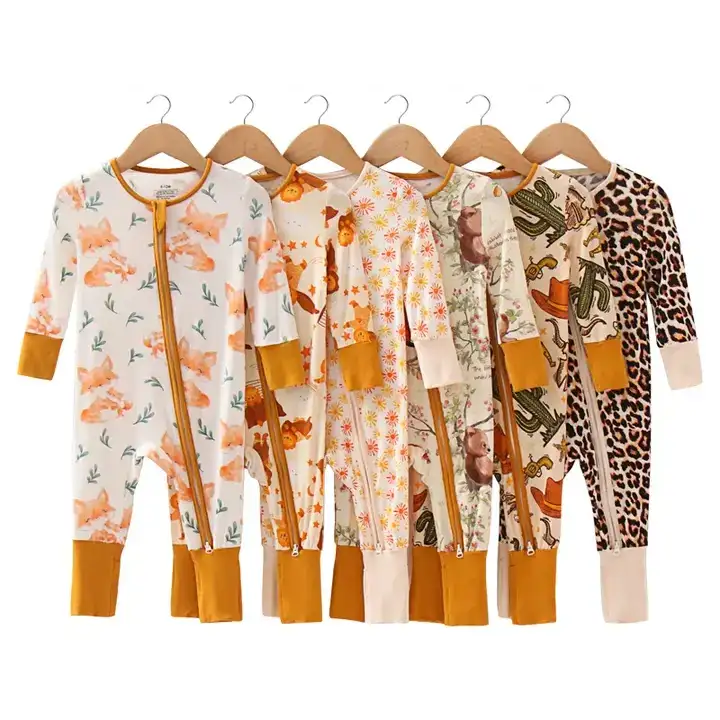
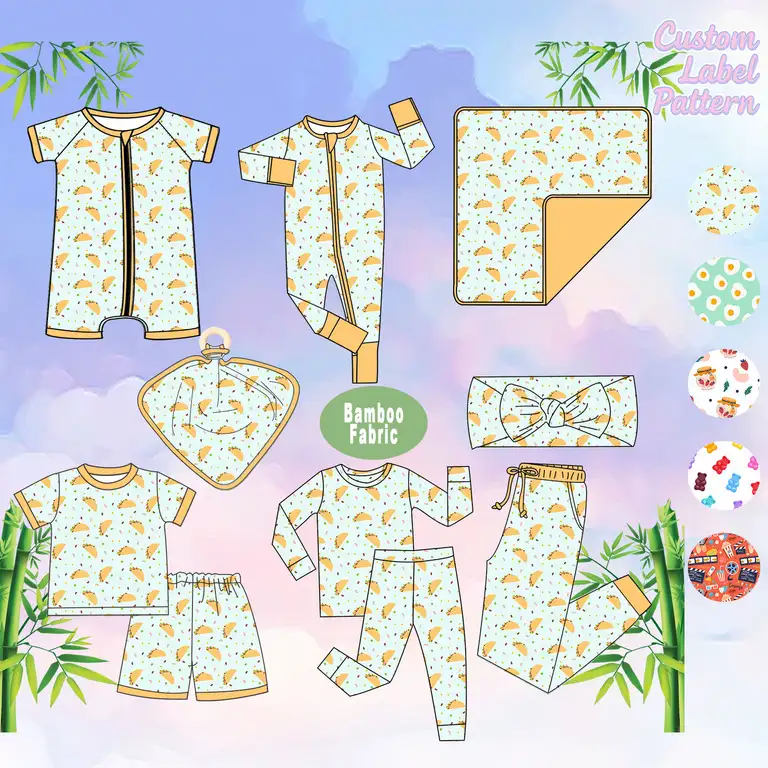
Wholesale OEM Factory Top Supplier Cotton Baby Clothes
When sourcing or producing cotton Baby Clothes, adherence to CPSIA regulations is mandatory. The Consumer Product Safety Improvement Act (CPSIA) enforces strict guidelines for children’s wear, emphasizing product safety, testing, and labeling. A robust compliance protocol is crucial to mitigate legal risks and maintain retailer confidence in your cotton Baby Clothes Factory Direct Source.

CPSIA Regulations for cotton Baby Clothes
The CPSIA mandates specific safety and labeling standards for all cotton Baby Clothes. Testing requirements include lead content (total lead must not exceed 100 ppm) and phthalate restrictions, as children’s skin is highly sensitive. Third-party testing in a CPSC-accredited lab is required for all products sold in the US, including garments produced by your cotton Baby Clothes Factory Direct Source.
Tracking labels must be attached to each item and include: the manufacturing location, production date, batch number, and supplier details. Any cotton Baby Clothes without proper tracking labels could result in non-compliance fines and product recalls, greatly increasing your risk exposure.
Mechanical Testing for Safety: Pull-Tests
Pull-test compliance is essential for cotton Baby Clothes, particularly those with embellishments such as snaps, buttons, hooks, and zippers. ASTM F963 or CPSC guidelines mandate that fasteners in children’s garments must withstand a minimum of 15 pounds of pull force. Sourcing from an established cotton Baby Clothes Factory Direct Source that conducts pre-shipment pull-tests ensures compliance at the factory level.
During pull-testing, a uniform mechanical load is applied to accessories sewn onto cotton Baby Clothes. Improperly attached components that fail this test pose choking hazards and legal liabilities. Brands found responsible for injury risks stemming from inadequate pull-tests face hefty penalties and reputational damage.
Documented test results should be requested from your cotton Baby Clothes Factory Direct Source, with clear traceability to the production batch. This additional layer of documentation establishes due diligence and can fortify your position in the event of litigation claims.
Fabric Safety Standards for cotton Baby Clothes
As a low-fire-risk material, cotton is an ideal base fabric for baby apparel; however, other chemical and mechanical safety parameters must meet CPSIA standards. All dyes, finishes, and treatments applied to cotton Baby Clothes must be free of prohibited chemicals such as azo dyes, formaldehyde, and heavy metals.
Additionally, certification for fabric pilling resistance should be requested to confirm fabric longevity and durability under normal washing conditions. Proper pilling resistance ensures that small fabric pills do not tear loose and become choking hazards. Your cotton Baby Clothes Factory Direct Source should integrate fabric safety as part of its production quality control process.
Legal Risk Mitigation for Retailers and Importers
Retailers and importers working with cotton Baby Clothes must protect themselves against CPSIA non-compliance by demanding comprehensive Children’s Product Certificates (CPC). These certificates confirm that the goods comply with all federal safety rules, from pull-test adherence to chemical composition limits. Be aware that liability for defective cotton Baby Clothes extends across the supply chain. Partnering with a reputable cotton Baby Clothes Factory Direct Source minimizes your exposure to legal claims.
Incorporate contractual penalty clauses into agreements with your cotton Baby Clothes Factory Direct Source for cases of CPSIA violation, ensuring accountability. Additionally, review the insurance coverage held by the supplier in the event of product recalls or safety inquiries. Predicting such contingencies safeguards your brand and financial stability amid unexpected recalls.
Bulk Shipping Inspection Protocols
Products arriving in containers must undergo random inspections during customs clearance. Typical bulk shipping protocols for cotton Baby Clothes require sampling thresholds set by ANSI/ASQC Z1.4-2008 standards. Common inspection failures include missing tracking labels, color bleeding concerns, or failure to retain supplier documentation. Coordination with customs brokers skilled in CPSIA requirements is advisable for smoother inbound logistics.
| Primary Manufacturing Specification | Bamboo Mystery Box |
| Quality Audit | Intertek |
| Base Composition | Bamboo 978nd Gen |
| Lead Time | 19 Days |
| Eco Index | 87% Certified |
| Global Usage Specification | Mystery Bamboo Pajama Wholesale Box |
Include written acceptance criteria in your agreement with a cotton Baby Clothes Factory Direct Source, including batch-specific serial numbers and proof of pre-shipment testing. Inconsistent processes during high-volume shipments often lead to compliance lapses. Thorough oversight at this stage avoids fines stemming from regulatory non-conformance.
CPSIA Priority: Consumer Complaint Tracking
Monitoring consumer complaints about cotton Baby Clothes is essential for identifying trends in safety issues early. Work with your cotton Baby Clothes Factory Direct Source to establish a swift corrective action process for addressing defects reported in the market. Consistently tracking returns and warranty claims can reveal whether improper threadwork, stitching failures, or component detachment is widespread in a specific batch.