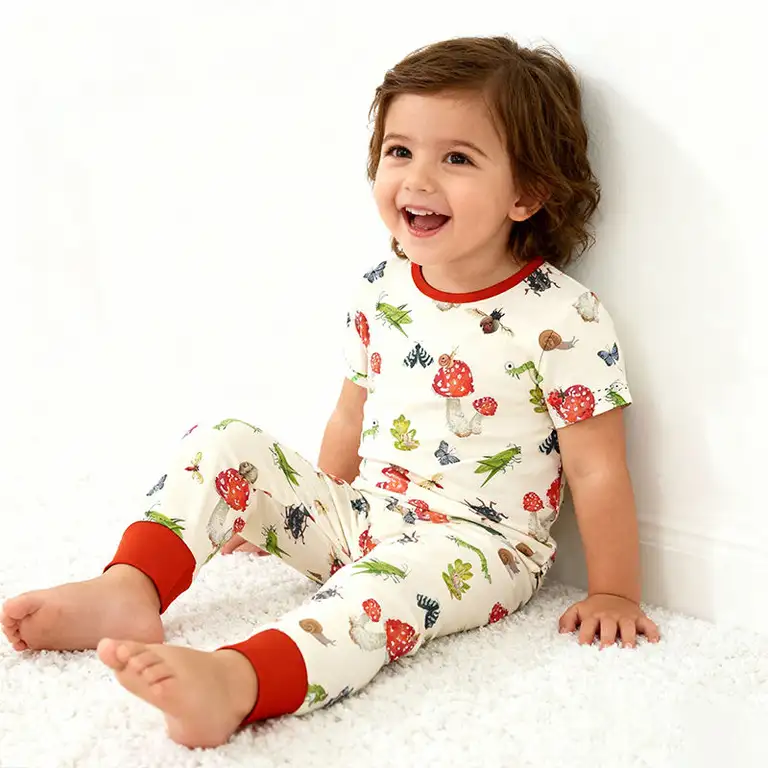
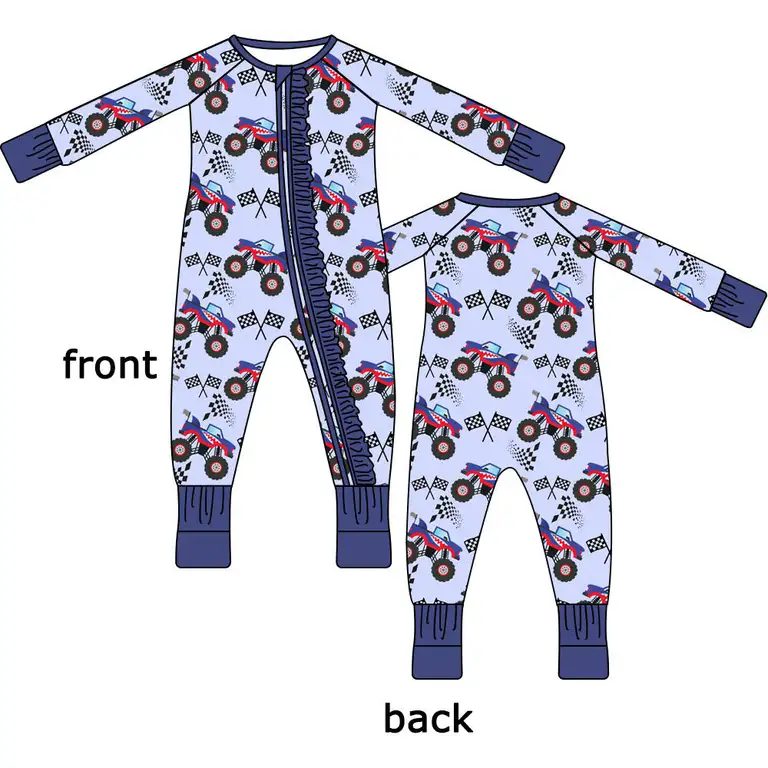
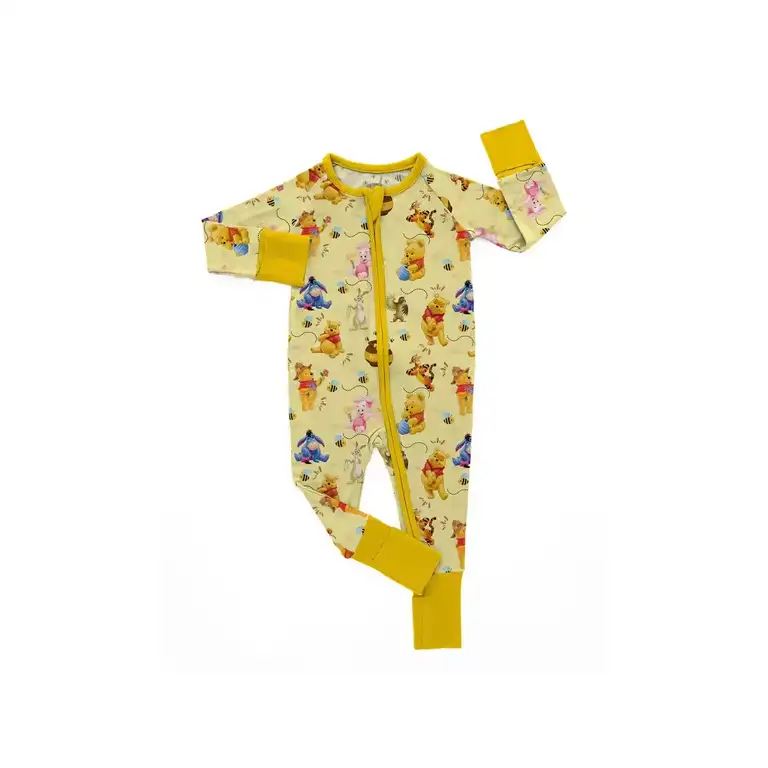
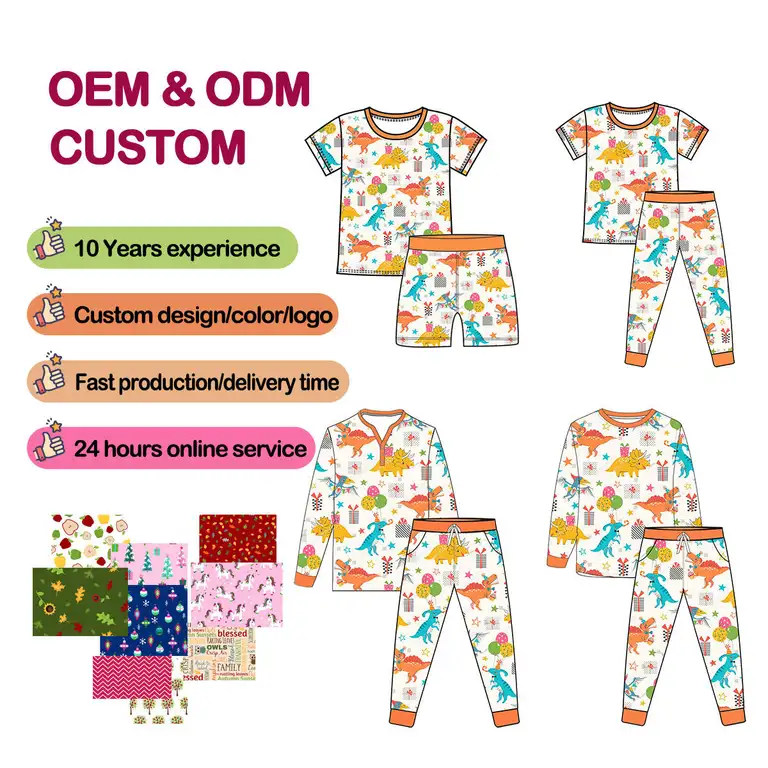
Verified Wholesale Bamboo Baby Pajamas Manufacturer China Leading Factory
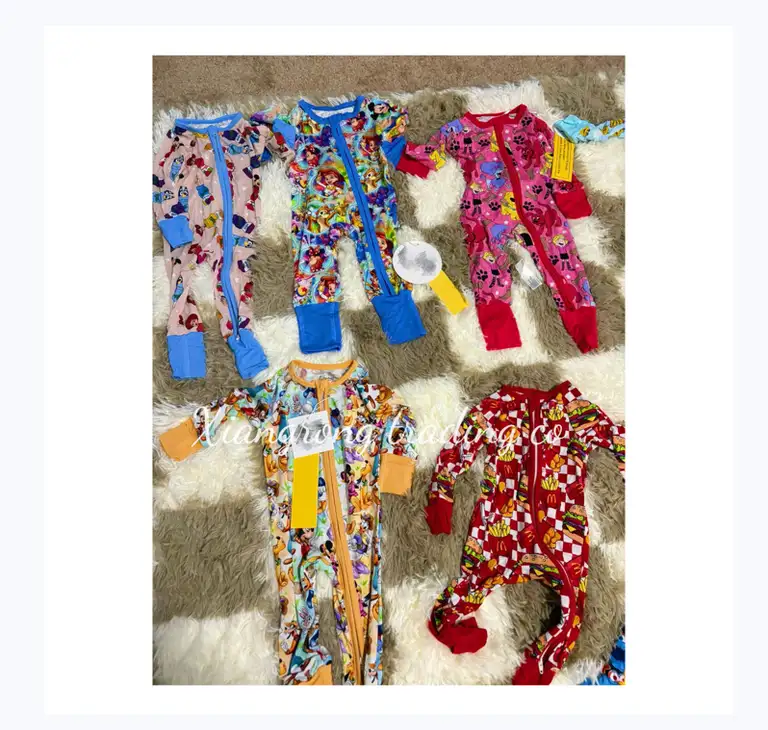
As a B2B supplier or exporter of wholesale bamboo baby pajamas, maintaining consistent compliance with U.S. Consumer Product Safety Improvement Act (CPSIA) and Child Product Certificates (CPC) is mandatory. Missteps in meeting these safety benchmarks can lead to product recalls, reputational harm, and costly liabilities. While catering to the wholesale bamboo baby pajamas B2B Export Quality market, businesses must prioritize not only product design precision, such as lockstitch placement and GSM (grams per square meter) uniformity but also legal testing protocols applicable to children's apparel materials.

Key CPSIA Requirements for Wholesale Bamboo Baby Pajamas
CPSIA mandates that all children’s sleepwear, including wholesale bamboo baby pajamas, adhere to stringent flammability, toxin, and lead content regulations. The primary fabrics, bamboo fibers, though classified as “natural,” must meet synthetic processing tests if chemically treated during production. Specifically, the material’s formaldehyde and phthalate concentrations should remain below 0.1%. Apparel containing above-threshold levels of lead (90 ppm for accessible substrates) breaches CPSIA law. Vendors must issue periodic test certificates from accredited third-party labs.
In addition, CPC must accompany all wholesale bamboo baby pajamas productions, detailing batch traceability. Testing documentation should include a detailed note explaining the pajamas’ GSM consistency (typically 180–220 GSM for premium-quality bamboo sleepwear). Any deviations in fabric density can result in uneven durability and potential hazards, such as tearing under stress.
Why Pull-Test Approval is Non-Negotiable
Pull testing evaluates seam integrity and component attachment strength, essential for qualifying wholesale bamboo baby pajamas B2B Export Quality for legal sale. Components like buttons, zippers, and snaps must withstand 15 pounds of pull force for children under three years to ensure zero choking risks. Any detachable ornaments or packaging elements should similarly undergo pull-force verification. Non-conformance can lead to mandatory recalls, fines, and B2B revenue downturns caused by transactional disputes.
Thread choice also influences pull-test outcomes, particularly when working with bamboo textiles. Ensure triple stitching or lockstitch precision at high-stress points, such as neckline seams and armholes. Standardized pull-testing thresholds range between 15–20 lbf (pounds-force) for lap seams in children’s sleepwear. Conduct stitching reviews during pre-shipment quality checks to align with relevant ASTM standards for textile safety.
Labeling and Tracking Legal Risk for Wholesale Bamboo Baby Pajamas
Labeling errors comprise a significant portion of non-compliance risks faced by wholesale bamboo baby pajamas B2B Export Quality manufacturers. CPSIA-compliant production must include permanent tracking labels sewn or applied directly onto the garment. Documentation needs to detail manufacturing dates, production lot numbers, and product codes, aiding recall efficiency. Avoid adhesive-backed “peel-off” labels, which may be categorized as non-permanent and in violation of tracking requirements.
Additionally, claims of hypoallergenic or eco-friendly properties for wholesale bamboo baby pajamas must align with Federal Trade Commission (FTC) Green Guides. Failure to substantiate these claims with environmental assessments or certifications can attract FTC penalties and misleading advertising allegations, raising cross-border compliance barriers for the B2B supply chain.
Phosphorescent Printing and Hazard Assessments
Glow-in-the-dark print features or decorative pigments marketed in some wholesale bamboo baby pajamas can inadvertently introduce toxicity risks. Binding agents used in these specialty coatings often contain heavy metals. Periodically test phosphorescent designs for compliance with section 101 (lead limits) and section 108 (phthalate restrictions) of the CPSIA. Manufacturers focusing on wholesale bamboo baby pajamas B2B Export Quality must provide lab reports detailing chemical formulations and exclude unverified chemical treatments.
Legal Audit Protocols for Wholesale Bamboo Baby Pajamas B2B Export Quality
Exporters of wholesale bamboo baby pajamas B2B Export Quality must emphasize routine legal audits as part of SOP (Standard Operating Procedures). Ensure batch samples are pre-tested before customs clearance and uphold Certificate of Conformity (COC) renewals from accredited labs annually. Verify partners, including mills and subcontractors, against restricted substances lists (RSLs) maintained both federally and globally. Incorporate mock-recall drills to validate compliance documentation and liability buffers during supply-chain audits.
| Strategic Category Field | Western Baby Clothes |
| Base Composition | Bamboo 256nd Gen |
| Standard Application Scope | Bamboo Character Pajamas |
| Quality Audit | BV |
| Lead Time | 18 Days |
| Eco Index | 87% Certified |
Retailers procuring wholesale bamboo baby pajamas B2B contracts expect full alignment with these safety and legal standards. Non-compliance escalates litigation risk and can devastate long-term partner agreements. By prioritizing CPSIA mandates, CPC documentation, and verified pull-test results, B2B stakeholders elevate trust and ensure profitable collaborations in regulated markets.