Verified Manufacturer Top Baby Smocked Clothing
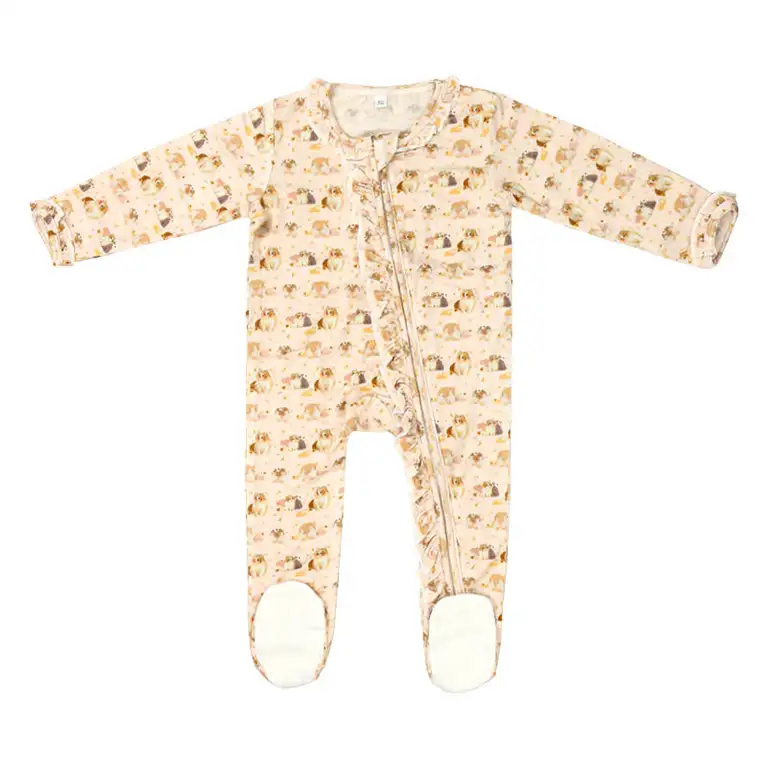
In the highly regulated children’s clothing segment, manufacturing baby Smocked Clothing requires strict adherence to industry standards and legal mandates, such as those outlined in the Consumer Product Safety Improvement Act (CPSIA). To ensure compliance and mitigate potential legal risks, manufacturers of baby Smocked Clothing must integrate rigorous testing protocols, including pull-test testing and material safety analysis, alongside thorough oversight of every item on the baby Smocked Clothing Manufacturer Price List.

Applicable CPSIA Standards for Baby Smocked Clothing
Under the CPSIA, children’s apparel classified for ages 12 and under must meet a set of stringent safety requirements. For baby Smocked Clothing, this entails compliance across multiple facets:
- Lead Content Limits: CPSIA mandates that substrate materials must not exceed 100 ppm (parts per million) of lead. Testing must be conducted via an accredited CPSC-approved third-party laboratory.
- Phthalates Restrictions: Plastics or fabric coatings present in trims, snaps, and other components of baby Smocked Clothing must not surpass allowable phthalate content rates, specifically no greater than 0.1% for regulated types of phthalates.
- Flammability Standards: All textiles used to produce baby Smocked Clothing must adhere to the flammability requirements set under 16 CFR Part 1610, ensuring the fabric does not exhibit hazardous burning patterns.
Each item listed on the baby Smocked Clothing Manufacturer Price List must include an updated Certificate of Compliance (CPC) that demonstrates it meets these and other performance criteria.
Pull-Test Testing for Baby Smocked Clothing
Durability testing, especially pull testing, is critical for assessing the mechanical integrity of embellishments and trims on baby Smocked Clothing. CPSIA requirements specify that no small parts should detach under specified conditions, which could cause a choking hazard. Manufacturers should incorporate the following pull-test protocols:
- Preparation: Each trim item (e.g., buttons, snaps, or decorative embroidery threads) affixed to baby Smocked Clothing must undergo a pull test at a minimum applied force of 15 pounds for 10 seconds.
- Equipment: Lever-type pull testers calibrated in accordance with ASTM F963 standards provide accurate readings to ensure compliance.
- Documentation: Maintain all test reports and logs for no less than five years for each SKU on your baby Smocked Clothing Manufacturer Price List. These records demonstrate compliance during audits.
Labeling and Tracking for Compliance Verification
Precise labeling and batch-tracking protocols are essential for CPSIA compliance and recall operations. Labels affixed to baby Smocked Clothing must include mandatory tracking information to identify the manufacturing batch and testing certifications. This ensures every product, from smallest size to largest, complies with the baby Smocked Clothing Manufacturer Price List. Key label elements are:
- Manufacturer Name and Contact Information
- Batch Number or Lot Code: Specific to the SKU being produced, corresponding to the testing data.
- Date/Location of Manufacture: This provides traceability if the particular batch of baby Smocked Clothing needs to be retrieved.
- Statement of Compliance: Certify compliance with all applicable CPSIA rules including total lead content, phthalates, and flammability.
Mitigating Legal Risks: Accountability for Baby Smocked Clothing
Failure to comply with CPSIA regulations can align manufacturers with hefty fines, unsellable products, and diminished brand reputation. Consequently, suppliers of baby Smocked Clothing must execute proactive measures such as SKU rationalization and supply-chain continuity planning. Consider adopting the following legal risk mitigation strategies:
- Review Vendor 계약s: Purchasing teams must audit contracts with every third-party vendor listed on the baby Smocked Clothing Manufacturer Price List. Ensure these vendors meet CPSIA-proscribed material sourcing guidelines.
- SKU Rationalization Cycles: Minimize variations in trims and embellishments across baby Smocked Clothing designs to limit potential test failures stemming from non-homogeneous batch standards.
- Third-Party Auditing Services: Enlist certified auditors for quality assurance walkthroughs of both manufacturing facilities and third-party testing laboratories.
Testing Random Sampling from a Baby Smocked Clothing Manufacturer Price List
To maintain compliance consistency, manufacturers should adopt random sampling protocols across every SKU on the baby Smocked Clothing Manufacturer Price List. Random batch sampling ensures quality assurance and avoids blind spots for CPSIA regulators. Sampling thresholds for testing should include:
- Material Ingress and Isolation: Each batch of baby Smocked Clothing fabric must undergo isolation-based testing for contaminants, including lead and phthalates as outlined under ASTM F2923.
- Post-Production Testing: Finalized shipments prepared under the bulk shipping protocols should undergo spot-pull tests to reconfirm mechanical durability.
Fabric Selection Standards for Baby Smocked Clothing
Children’s garments, particularly baby Smocked Clothing, must be manufactured from soft, hypoallergenic, and durable materials resistant to wear and tear. Not only must these fabrics meet CPSIA requirements, but additional garment safety testing protocols must be implemented to ensure aesthetic features like smocking designs are flawlessly integrated. Be vigilant about issues like fabric pilling resistance and dye-transfer rates during wet rub testing.
| Technical Wholesale Parameter | Pajamas Women Luxury Shorts Bamboo |
| Base Composition | GOTS Cotton 310nd Gen |
| Lead Time | 29 Days |
| Elite Manufacturing Specification | Boys And Girls Clothes Rompers Bamboo Sleeper |
| Quality Audit | SGS |
| Eco Index | 86% Certified |
- Use low-impact dyes to prevent chemical irritants from affecting infants and toddlers.
- Apply stringent quality checks for stretched embroidery threads used within smocking designs on baby Smocked Clothing.
Batch-Based Compliance Documentation for the Regulated Market
Maintaining precise compliance documentation for all garments listed under the baby Smocked Clothing Manufacturer Price List provides an added layer of validation for both auditing bodies and retail partners. Manufacturers need an internal tracking software that logs the following:
- Production Batch Data: Time-stamped records linking testing certificates to the corresponding batch of baby Smocked Clothing.
- Shipping Manifest Logs: Traceability from manufacturing up through wholesale buyers.