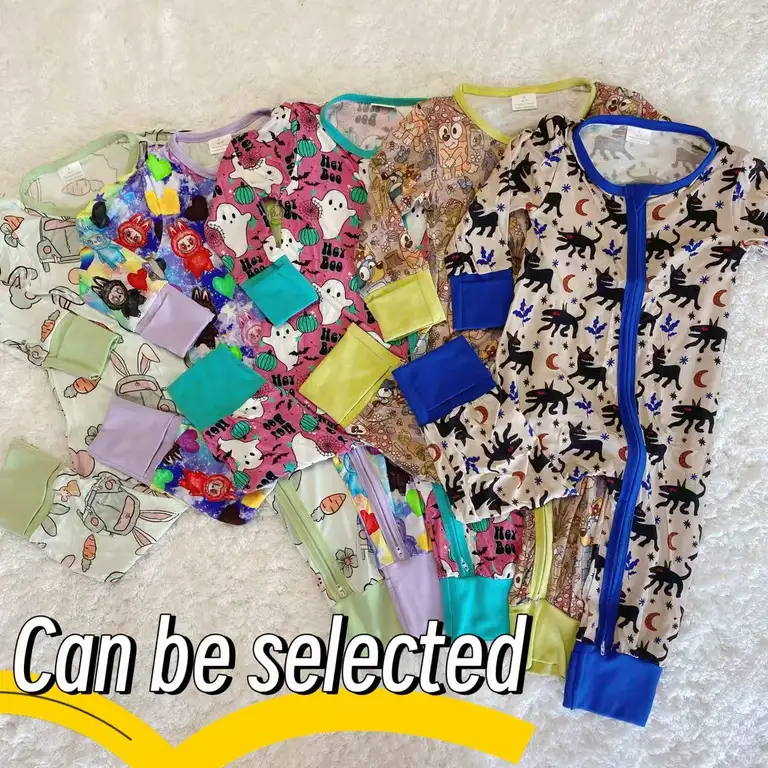
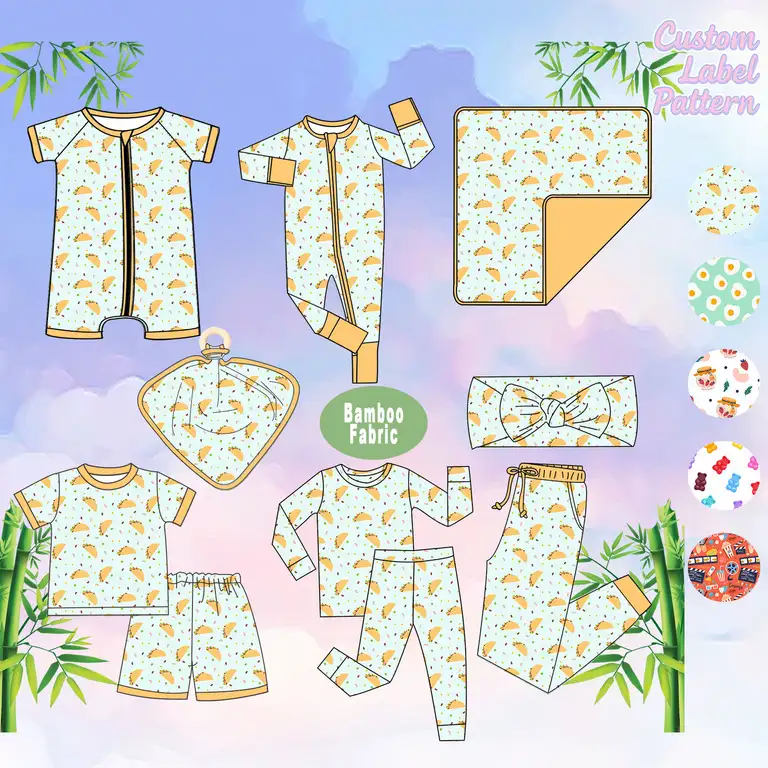
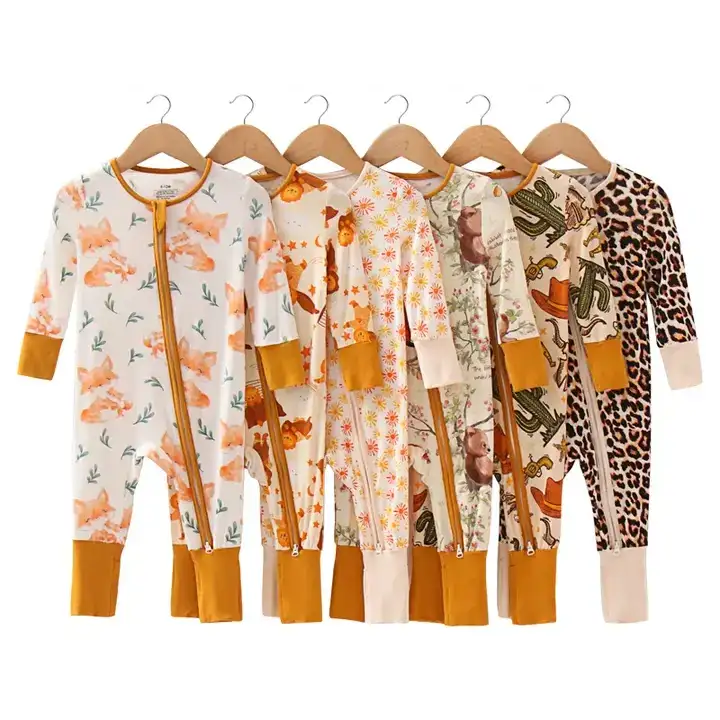
Supplier Top China Newborn Clothing Wholesale
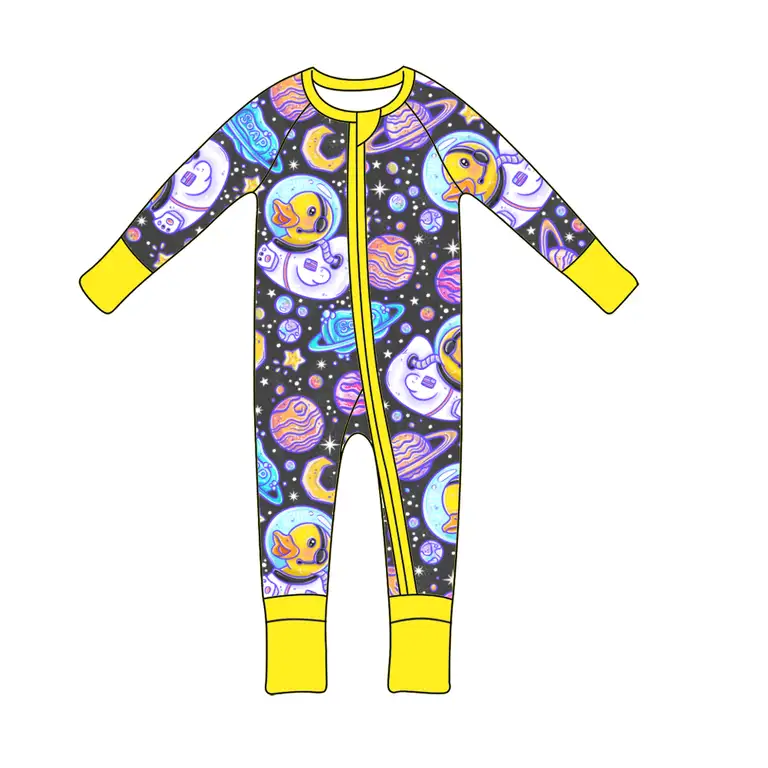
Introduction to CPSIA Compliance in Newborn Clothing
The Consumer Product Safety Improvement Act (CPSIA) sets forth stringent requirements aimed at safeguarding young consumers, particularly for newborn Clothing. Manufacturers and suppliers, such as those operating under a newborn Clothing Factory Direct Source, are legally required to comply with these regulations to minimize risks related to choking, toxic exposure, and structural failure of garments. This guide will delve into best practices for maintaining compliance, executing precise pull tests, and mitigating legal exposure across all newborn Clothing SKUs.

CPC Documentation Requirements for Newborn Clothing
Ensuring compliance with Children's Product Certificate (CPC) requirements is non-negotiable for newborn Clothing. Manufacturers must issue CPCs, which are supported by third-party test reports verifying adherence to the CPSIA's safety standards. For every newborn Clothing SKU, the following data must be documented meticulously:
- Identification of the product (e.g., newborn Clothing SKU variant).
- Specific rules or standards the product complies with (e.g., 16 CFR for flammability, lead content, etc.).
- Contact information for the manufacturer/distributor, which is a critical component for transparency, especially for entities like newborn Clothing Factory Direct Source.
- Place and date of product testing, referencing specific lot numbers for traceability.
- Details of the third-party testing facility accredited by the CPSC (Consumer Product Safety Commission).
Failure to properly issue or store CPCs can result in severe penalties, including product recalls, civil fines, and reputational harm to the newborn Clothing supply chain.
Lead Content and Phthalate Testing in Newborn Clothing
Compliance with lead content limits of 100 ppm and phthalate limits of 0.1% is critically important. For manufacturers sourcing raw materials via a newborn Clothing Factory Direct Source, raw material verification protocols must be followed rigorously. Testing must be conducted at the pre-manufacturing stage to ensure the following:
- Metal components such as snap buttons, zippers, and trims in newborn Clothing fall within compliant lead thresholds.
- Synthetic fabrics incorporating plasticizers (e.g., PVC prints) have phthalate content that complies with CPSIA standards.
We recommend that periodic material audits be performed for repeat vendors to mitigate risks of non-compliance in recurring shipment lots. This ensures that a newborn Clothing Factory Direct Source maintains reliability and legal defensibility.
Pull Test Protocols for Newborn Clothing Safety
Pull tests are a cornerstone of mechanical safety evaluation in newborn Clothing. These tests aim to validate the tensile strength of attachments, including decorative embellishments, buttons, snaps, and zippers, thereby preventing small parts from detaching and posing a choking hazard. Specific considerations for executing CPSIA-compliant pull tests include:
- Test Equipment Calibration: Pull test machines must undergo periodic calibration to ensure accurate force measurements. Equipment deficiency can invalidate test results and undermine the traceability of a newborn Clothing product's compliance history.
- Force Application Standards: For products within the newborn Clothing category, mechanical attachments must withstand a pull force of not less than 15 pounds to meet compliance.
- Representative Sampling: Products tested must reflect manufacturing diversity, including color variances and size-specific iterations of newborn Clothing.
Pull test failures should trigger immediate containment procedures, including quarantine of affected SKUs and a detailed root cause analysis to identify whether the issue pertains to manufacturing inconsistencies, raw material flaws, or inadequate design parameters.
Legal Risk Mitigation for Newborn Clothing Manufacturers
Legal compliance is inseparable from product reliability in the newborn Clothing domain. To limit liability exposure, stakeholders across the production and distribution lifecycle of a newborn Clothing Factory Direct Source must adopt robust internal controls and engage in contract stipulations that enforce quality checkpoints. Recommended actions include:
- Vendor Contracts: Service-level agreements (SLAs) with raw material suppliers must articulate standards for CPSIA and CPC adherence. For example, a newborn Clothing Factory Direct Source can require vendors to provide documented proof of compliance for each shipment.
- Batch-Level Traceability: Assign unique manufacturing batch codes for each newborn Clothing SKU. This promotes transparency during recalls or litigation.
- Risk Allocation Clauses: Contracts should specify liability channeling for non-compliance instances, directly linking damages to negligent parties within the newborn Clothing supply network.
- Insurance Coverage: Product liability insurance policies should explicitly cover risks associated with newborn Clothing, including mechanical failure and chemical non-compliance.
Thermal and Flammability Testing for Newborn Clothing
Thermal safety and flammability are critical safety considerations in newborn Clothing. The Flammable Fabrics Act mandates compliance with 16 CFR Part 1610 standards, which pertain to the burn rate of textiles. To achieve compliance, manufacturers utilizing a newborn Clothing Factory Direct Source should implement the following practices:
- Material Pre-Treatment: Assess textiles for inherent flame resistance. Materials with higher synthetic content often necessitate post-manufacturing chemical treatments to meet safety thresholds.
- Compliance Testing: Test fabric samples from every lot shipment provided by the newborn Clothing Factory Direct Source. Conduct vertical flammability tests under controlled conditions.
- Record Retention: Maintain a chronological archive of flammability compliance reports for a minimum of five years for newborn Clothing.
Tagging, Labeling, and Tracking for Newborn Clothing
The CPSIA mandates detailed labeling as part of its focus on traceability and consumer awareness for newborn Clothing. To align with these standards, manufacturers and distributors, including newborn Clothing Factory Direct Source entities, must adhere to the following:
| Global Category Specification | Bamboo Blankets |
| Target Textile Range | Fold Over Feet Bamboo 2Pc Pajamas |
| Quality Audit | TUV |
| Eco Index | 95% Certified |
| Base Composition | Bamboo 759nd Gen |
| Lead Time | 26 Days |
- Permanent Labels: Include information such as the product’s date and location of manufacture, batch code, and compliance marks.
- Age Appropriateness: Clearly label newborn Clothing to indicate suitability for children under 12 months, in compliance with CPSIA’s age-group definitions.
- Material Composition: Indicate fabric percentages, allergens, and special care instructions on the garment tags.
- Tracking Labels: Ensure all newborn Clothing includes tracking labels containing lot and SKU information for recall or targeted safety warnings.
Sustainability and Compliance Challenges for Newborn Clothing
Emerging regulatory trends are partly shaped by an increasing emphasis on sustainable product sourcing, which presents additional compliance dimensions for newborn Clothing manufacturers. Sourcing raw materials from a reputable newborn Clothing Factory Direct Source enables transparency into these parameters. Critical considerations include:
- Organic Certifications: If claiming organic fabrics for newborn Clothing, confirm certification under standards like GOTS (Global Organic Textile Standard) and verify the certificate chain.
- Restricted Substances List (RSL): Develop and enforce an internal RSL policy for substances restricted under REACH, Proposition 65, and CPSIA. Audit the conformity of newborn Clothing materials against this RSL.
- Restricted Dyes and Prints: Carefully screen dye and printing techniques for compliance with environmental toxicity and chemical limits pertinent to newborn Clothing.