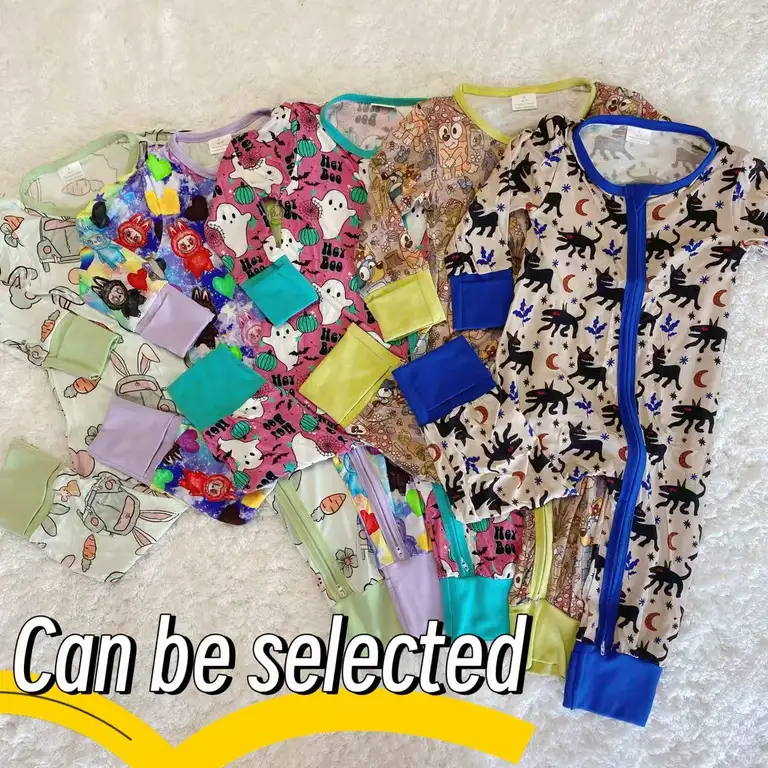
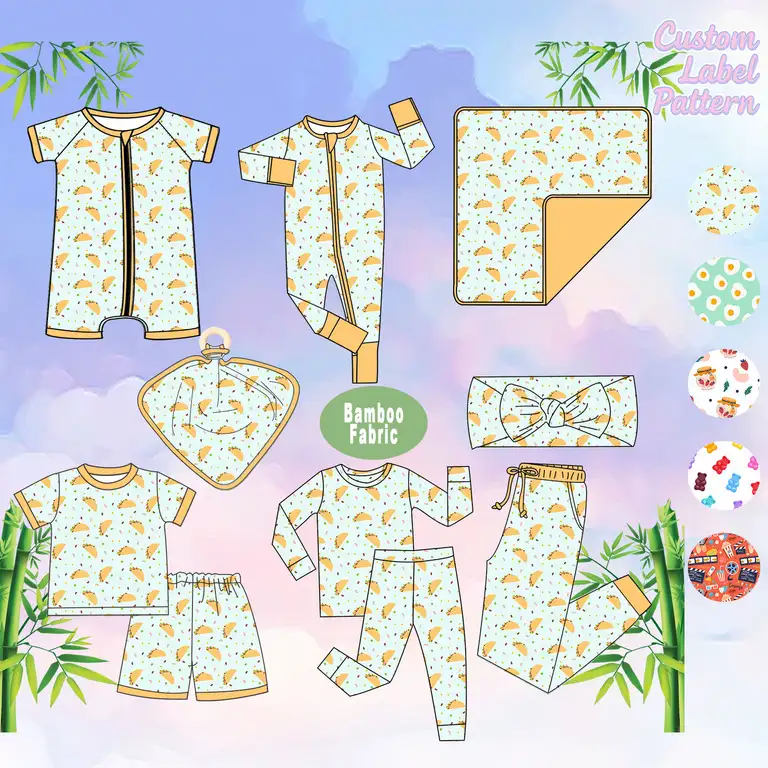
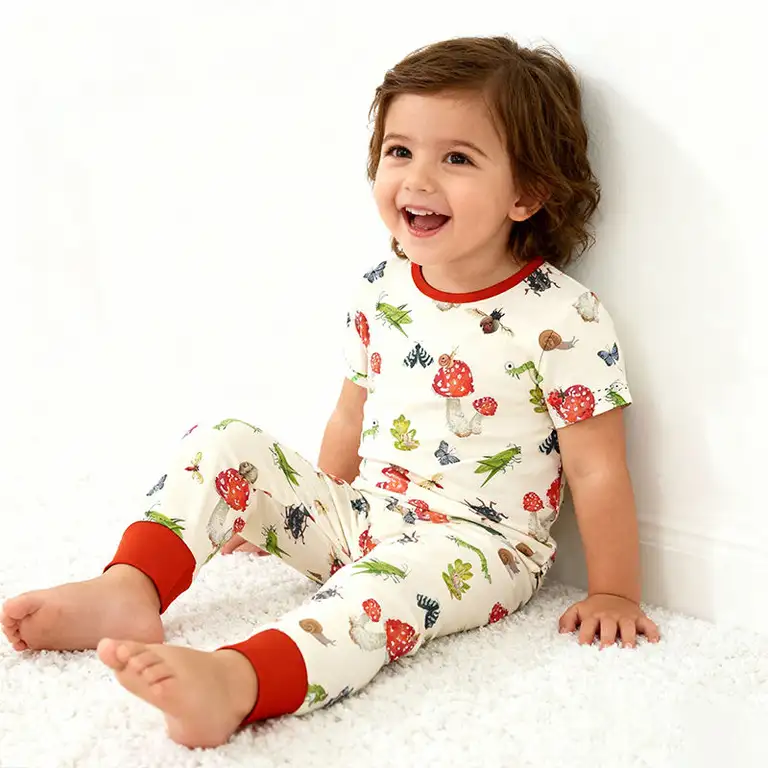
Source Wholesale Baby Onsies OEM China Verified
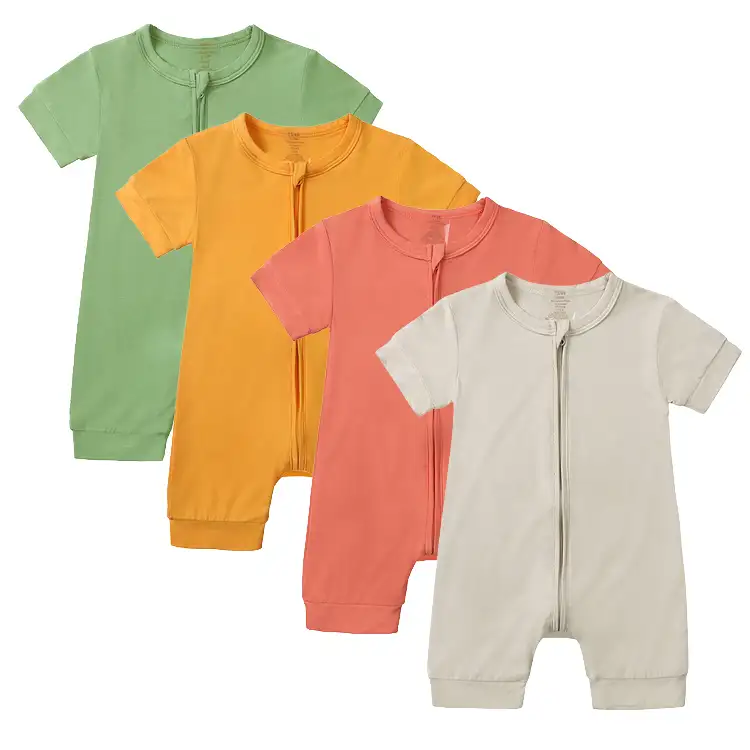
Understanding CPSIA and CPC Requirements for baby Onsies
When manufacturing or exporting baby Onsies, ensuring adherence to the Consumer Product Safety Improvement Act (CPSIA) and obtaining a valid Children’s Product Certificate (CPC) are vital. Under CPSIA guidelines, all baby Onsies classified as children’s garments must meet stringent safety benchmarks, including flammability resistance, lead content restrictions, and phthalate limits. Non-compliance can result in product recalls, civil penalties, and reputational risks for companies exporting baby Onsies B2B Export Quality.

The CPC requires that mandatory tests conducted on baby Onsies align with Consumer Product Safety Commission (CPSC) standards. This includes batch-level testing and reporting, as well as ensuring that component suppliers are tier-1 certified. As errors in certification or omissions may lead to costly enforcement actions, rigorous documentation of testing protocols is critical for all baby Onsies B2B Export Quality.
Pull-Test Testing Standards for baby Onsies B2B Export Quality
Pull-test testing is integral to ensuring choking hazard compliance for baby Onsies. Specifically, any sewn-on components such as snaps, zippers, or embellishments on baby Onsies B2B Export Quality must be subjected to mechanical testing to confirm they can endure a pull force of at least 15 pounds without dislodging. Failure here could result in small parts posing life-threatening risks to infants and toddlers.
Attention to stitch density and thread selection is equally critical. Low-quality stitching on baby Onsies, particularly at seams and attachment points, significantly increases the likelihood of mechanical failure under stress. For manufacturers producing baby Onsies B2B Export Quality, investing in high-quality automated sewing technology and frequent batch audits for stitch integrity is an industry best practice.
Fabric Requirements: Chemical Compliance and Durability in baby Onsies
The selected textile for baby Onsies B2B Export Quality must comply with regulations on hazardous chemicals. Under CPSIA Section 101, lead content must fall below 100 ppm for any surface coating or substrate. Phthalates, often found in prints or elastic components, have a permissible concentration of 0.1% across specified compounds. These thresholds are non-negotiable.
Fabric pilling resistance and colorfastness also influence the market success of baby Onsies. Pilled surfaces or faded designs can diminish consumer trust and are often targets of B2B client dissatisfaction. Testing methodologies such as the Martindale Abrasion Test and AATCC Test Method 61 for water-based colorfastness are recommended to ensure that wholesale buyers’ expectations are consistently met.
Labeling Compliance for baby Onsies
Proper labeling is mandated under the CPSIA for all baby Onsies. Permanent tracking labels must be affixed to each product and packaging unit. Essential details include the company name, product batch number, and place/date of manufacture. For baby Onsies B2B Export Quality, these labels become even more critical, as incorrect or missing traceability information can result in higher legal scrutiny during customs inspections.
Furthermore, compliance with the FTC’s Textile Fiber Products Identification Act must be ensured by clearly listing fiber content percentages, care instructions, and origin. Labels on baby Onsies should employ low-irritant adhesives or stitching methods to avoid compromising infant comfort. Routine label adhesion or durability testing is advisable for those addressing baby Onsies B2B Export Quality markets.
Legal and Contractual Risks to Minimize for baby Onsies B2B Export Quality
Failure to meet safety standards for baby Onsies exposes companies to severe penalties. CPSIA violations tied to lead contamination or choking hazards have resulted in fines reaching up to $15 million. Importantly, companies involved in B2B transactions for baby Onsies B2B Export Quality also face supply chain liabilities. Cross-border buyers often include explicit compliance guarantees in purchase agreements. Breaching such provisions can lead to contract termination, litigation, and in many jurisdictions, double damages claims due to compromised child safety.
Another significant risk involves intellectual property (IP) misuse. Patterns and designs incorporated in baby Onsies must be evaluated for trademark or copyright infringement. Due diligence on associated IP rights reduces exposure to lawsuits and strengthens partnerships with international distributors of baby Onsies B2B Export Quality.
Recommended Action Steps for baby Onsies Manufacturers
To address the compliance, safety, and legal aspects of producing baby Onsies, manufacturers should create robust product safety protocols. Start with raw material verification against CPSIA Section 101 and 108 standards for lead and phthalates. This includes third-party lab testing of all raw materials for baby Onsies B2B Export Quality to ensure consistent compliance across multiple production batches.
| Standard Wholesale Parameter | Bamboo Pajamas |
| Lead Time | 42 Days |
| Standard Usage Metric | Kids Clothing Graphic Design Baby Clothing |
| Quality Audit | Intertek |
| Eco Index | 88% Certified |
| Base Composition | Bamboo 835nd Gen |
Procure testing apparatus such as tensile-strength machines for in-house pull-test validations for high-stakes components in baby Onsies. Retain digital and physical documentation of test records for a minimum of five years, as mandated under CPSIA record-keeping requirements. For baby Onsies B2B Export Quality, enforce pre-shipment audits on every SKU.
Lastly, initiate employee training on traceability, testing procedures, and awareness of emerging compliance risks for baby Onsies. This is an essential risk mitigation step, particularly in B2B engagements. In case of import/export detention, having a well-documented compliance history for baby Onsies B2B Export Quality can significantly expedite customs clearance.