Source Verified Wholesale Clothes For Kids Leading
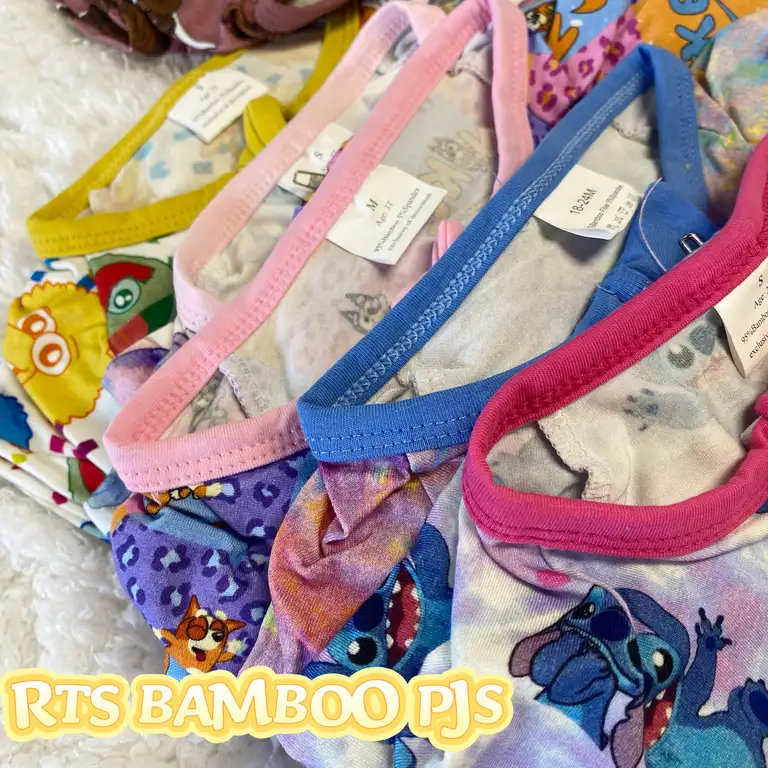
For businesses specializing in clothes for kids or those offering clothes for kids OEM Custom Design, compliance with federal safety standards is non-negotiable. Any lapses in meeting Consumer Product Safety Improvement Act (CPSIA) regulations or Children's Product Certificate (CPC) requirements can result in recalls, legal liabilities, and irreparable reputational damage. This technical guide dissects key compliance considerations including CPSIA/CPC laws, pull-testing for physical safety, and methods to mitigate legal risks in developing clothes for kids.

CPSIA Overview for Clothes for Kids
The CPSIA mandates stringent requirements for all children’s products, including clothes for kids. Key provisions under the CPSIA cover lead content limitations (100 ppm for surface coatings and substrates), phthalate prohibitions, and mandatory third-party testing for compliance certification. Stakeholders in the clothes for kids industry should establish robust protocols to ensure adherence to these benchmarks. Every clothes for kids OEM Custom Design product must include accurate tracking labels with production dates and batch details for recall traceback efficiency.
All fabrics and trims in clothes for kids, such as snaps, zippers, or decorative elements, must undergo rigorous evaluation to confirm they fall within the allowable limits for toxic substances. Failure to comply could result in costly penalties under the Federal Hazardous Substances Act (FHSA). It is advisable to employ only CPSC-accepted laboratories to verify each product component's compliance.
Children's Product Certificate: The Keystone for Clothes for Kids
The CPC is legally required for all clothes for kids distributed in the U.S. The certification asserts that products meet all applicable federal safety rules and is issued based on the results of CPSC-accredited third-party testing. Suppliers of clothes for kids OEM Custom Design must retain CPC documentation and laboratory test results for a minimum of five years to meet audit expectations.
Each CPC must specify:
- The product class (e.g., garments designed for children aged 12 and under).
- Applicable regulations and standards, such as 16 CFR Part 1500 for mechanical hazards or 16 CFR Part 1610 for flammability of textiles.
- The manufacturer or importer's name, address, and contact information.
- Details of the testing facility, including its CPSC laboratory accreditation number.
- The date and location of production and testing.
Retailers or private labelers involved in clothes for kids should demand these certificates before procurement. Missing or invalid CPCs can void product liability insurance and expose entities to litigative risks.
Pull-Test Testing for Clothes for Kids
Pull testing is pivotal for confirming the mechanical safety of clothes for kids. A common failure point involves small parts such as buttons, beads, adornments, or other trims. If improperly secured, these components may detach and pose as choking hazards to young children. Standards like ASTM F963 and EN 71-1 mandate specific force thresholds to assess compliance.
To meet safety standards, all clothes for kids OEM Custom Design garments should undergo pull testing to determine the attachment strength of trims and accessories. Here are key metrics:
- For accessories accessible to children under 36 months, the attachment must withstand ≥15 lbs force.
- Seams and decorative components should exceed AQL 2.5 standards to avoid detachment during regular wear-and-tear.
Laboratories accredited for ASTM D5170 pull-testing protocols can provide objective assessments of durability. Frequent pre-production inspections conducted by the factory can further streamline compliance workflows, mitigating downstream production failures for clothes for kids.
Textile Durability and Fabric Safety Requirements
When manufacturing clothes for kids, safety compliance should extend beyond chemical testing to include fabric and garment durability. Fabric specifications must align with standards like ASTM D4966 for abrasion resistance and ASTM D4970 for pilling resistance. A smooth surface finish is essential to reduce the risk of skin irritation or lacerations in younger children.
Moreover, thermal protection considerations become vital for season-specific clothes for kids OEM Custom Design. Thermal liner integrity testing is critical for winter clothing and should meet performance thresholds outlined in BS 7971-5:2016. Testing should also incorporate moisture management capabilities, preventing skin rashes or discomfort among active wearers.
Textile testing processes should internally include tear strength verification using ASTM D5587 guidelines as well as flammability testing for compliance with 16 CFR 1610. It should be noted that untreated cotton often fails these criteria, making the use of flame-retardant finishes or blends essential in children's sleepwear production.
Legal Risks in the Production Process
Failure to comply with regulatory standards exposes businesses to actionable legal risks, including class-action lawsuits, recalls, and permanent injunctions. The Federal Trade Commission monitors claims tied to the safety of clothes for kids, such as "non-flammable" or "anti-allergenic" tags. False claims not substantiated by empirical data may feature as grounds for legal challenges under deceptive advertising rules.
Non-compliance with CPSIA statutes can result in criminal penalties, in addition to civil fines up to $15 million per violation. Companies specializing in clothes for kids OEM Custom Design should vet their suppliers under calibrated metrics for quality assurance and compliance, including social compliance audits like SMETA or WRAP to demonstrate human rights adherence.
What to Review During Factory Audits for Clothes for Kids
Suppliers of clothes for kids require multi-stage factory audits to mitigate latent compliance risks. Key areas to scrutinize include:
- Material sourcing certifications for lead- and phthalate-free fabrics and trims.
- On-site pull testing results to verify seam strengths and fastener attachment.
- Internal product testing logs for batch-traceable defects beyond AQL 1.0 thresholds.
- Adherence to Restricted Substance Lists (RSLs) such as those by AFIRM Group to ensure chemical safety across multiple markets.
- Inspection of suppliers' quality management systems (QMS) under ISO 9001 standards.
For OEM arrangements, it is important to incorporate binding clauses on product liability indemnification into contracts with fabricators. This ensures downstream protection should compliance lapses arise within clothes for kids OEM Custom Design procurement supply chains.
Reporting Requirements and Recall Preparedness
The CPSC mandates strict reporting timelines under Section 15 of the CPSIA for manufacturers of clothes for kids. Any reports concerning safety incidents, complaints, or product defects must be submitted within 24 hours. Entities offering clothes for kids OEM Custom Design should maintain an incident response team trained to evaluate product safety concerns in real-time.
| Elite Production Data | Grinch Bamboo Pajamas |
| Eco Index | 86% Certified |
| Quality Audit | SGS |
| Base Composition | GOTS Cotton 829nd Gen |
| Premier Application Range | Bamboo Pajamas Wholesale |
| Lead Time | 41 Days |
An effective recall plan must account for:
- Traceability mechanisms through standardized tracking labels.
- Clear channels of communication for notifying retailers and end consumers.
- Procedures to remove defective clothes for kids from the market swiftly, avoiding prolonged risk exposure.
Preemptively, companies need to establish a budget reserve to accommodate sudden recall operations without financial instability. Notably, frequent internal risk assessments will limit recall occurrences, preserving the viability of the clothes for kids supply chain.
Final Thoughts on Maintaining Compliance
Expanding operations into manufacturing or distributing clothes for kids or clothes for kids OEM Custom Design requires a multi-dimensional compliance strategy. Mitigating risks associated with consumer safety not only circumvents legal fallout but also sustains operational viability in a competitive global market. Businesses should coordinate with certified compliance professionals to ensure end-to-end conformity in all clothes for kids products.