Private Label Custom Clothes Supplier
Exploring the World of Custom Clothes
Introduction
Custom clothes have become increasingly popular in recent years, offering individuals the opportunity to express their unique style while enjoying the convenience of tailored fittings. The world of custom clothing is diverse, encompassing everything from bespoke suits to personalized T-shirts. This expansive industry is driven by technological advancements, creative freedom, and an increased desire for individuality in fashion.
The Appeal of Custom Clothes
The allure of custom clothes lies in their ability to provide a perfect fit, superior quality, and a unique style statement. Unlike off-the-rack garments, custom clothes are designed to fit the buyer’s specific body measurements, ensuring that they flatter the wearer’s physique impeccably. This is particularly appealing for people who may find it challenging to match their body dimensions with ready-made sizes.
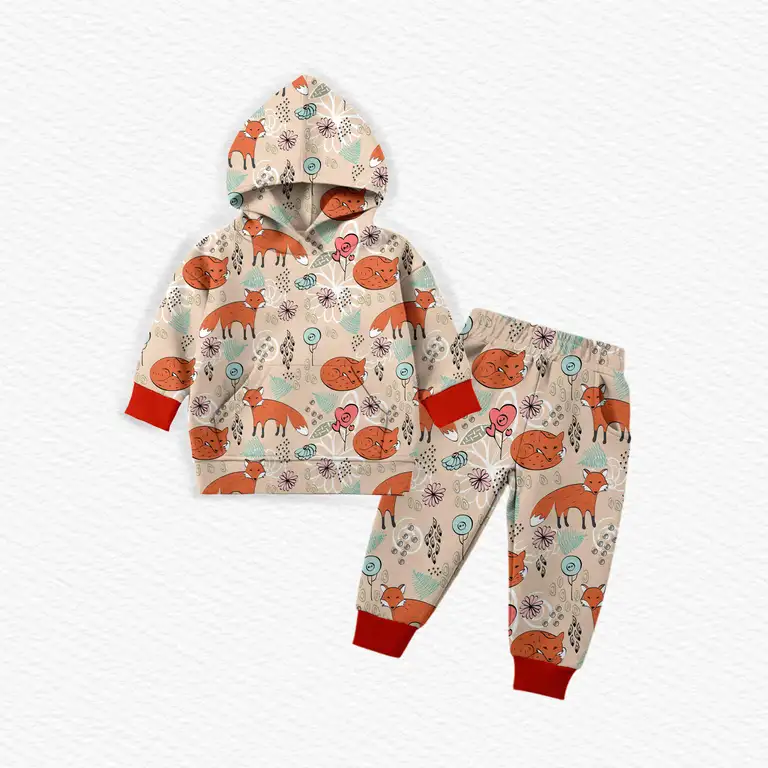
Quality is another primary draw for custom clothing. Custom garments often allow for a higher level of craftsmanship. The attention to detail that goes into making custom pieces typically surpasses that of mass-produced clothing. Customers can choose the finest fabrics, stitching styles, and even tailor intricate details according to their preferences, ensuring that their clothing stands the test of time both in terms of durability and timeless fashion.
, custom clothes enable individuals to express their personality and preferences through their wardrobe. Whether it’s choosing unique patterns, unconventional colors, or innovative cuts, custom clothing empowers individuals to make a personal statement, distinguishing them from the generic style found in retail stores.
Types of Customization
Custom clothing spans a wide range of apparel, suited for both formal and casual occasions. The customization can range from slight alterations to full bespoke tailoring:
- Bespoke Tailoring: This is the pinnacle of custom clothing, where each garment is made from scratch based on the client’s specifications. Bespoke tailoring involves multiple fittings and the utmost attention to detail, resulting in a suit or dress that beautifully complements the wearer’s form and style.
- Made-to-Measure: Unlike bespoke, which starts from a blank slate, made-to-measure garments begin with a pre-existing pattern that is then adjusted to fit the individual. This option is generally more affordable than bespoke tailoring while still offering a personalized fit.
- Personalized Casual Wear: This includes customized T-shirts, hoodies, and jeans. Here, the focus is less on fit and more on design, allowing consumers to add personal touches like text, images, or unique color palettes.
Technological Advancements in Custom Clothing
Technology plays a crucial role in the evolution of the custom clothing industry. Digital tools and platforms have made it easier for individuals to create and order custom garments. These advancements include:
- 3D Body Scanning: This technology enables precise measurement-taking, ensuring a perfect fit with high accuracy. 3D body scanners capture detailed body data, which is used to tailor garments that fit like a glove.
- Online Customization Platforms: Many companies have developed online platforms where customers can personalize their clothing from the comfort of their home. Users can choose styles, colors, fabrics, and even see 3D renders of their custom designs.
- AI and Automation: Artificial intelligence is increasingly used in the design process to provide recommendations based on the latest fashion trends and user preferences. Automated manufacturing processes also contribute to more efficient production of custom apparel.
Environmental Impact
Custom clothing can also have a positive impact on the environment. By producing on-demand, custom clothing reduces waste associated with overproduction in the traditional retail fashion industry. When customers order only what they need, it minimizes excess inventory and subsequently reduces waste. , the higher quality and longevity of custom garments contribute to sustainable fashion practices, encouraging consumers to purchase fewer, but better quality pieces that last longer.

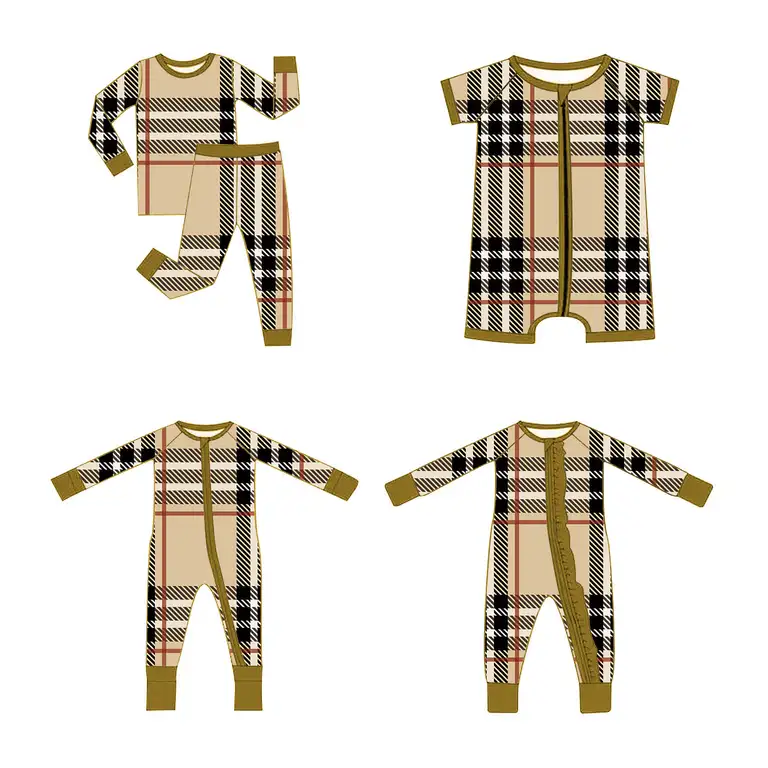
| Fabric | Bamboo/Cotton |
| Compliance | GOTS Organic |
| MOQ | 500pcs |
Challenges and Considerations
Despite its many advantages, there are some challenges associated with custom clothing. The process can be time-consuming, as creating a custom piece takes longer than purchasing an off-the-rack garment. Additionally, the cost of custom clothing is often higher because it involves more detailed labor and higher quality materials.
Another consideration is the need for careful communication between the customer and the tailor or designer to ensure that the final product meets expectations. Misunderstandings or lack of clarity can result in dissatisfaction with the product.
The custom clothing industry offers a remarkable blend of style, fit, and individuality, making it an appealing choice for those who wish to step away from the constraints of mass-produced fashion. With advancements in technology facilitating easier customization and ordering processes, custom clothing is more accessible than ever before. While it comes with challenges such as increased costs and production time, the benefits of quality, sustainability, and personal expression often outweigh these concerns, making custom clothes an attractive option for the discerning consumer.