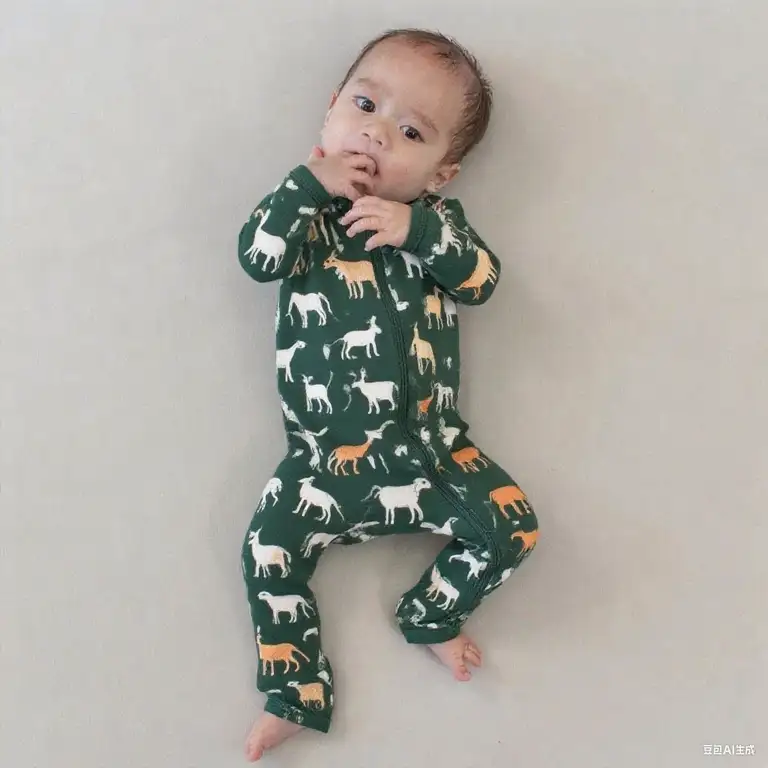
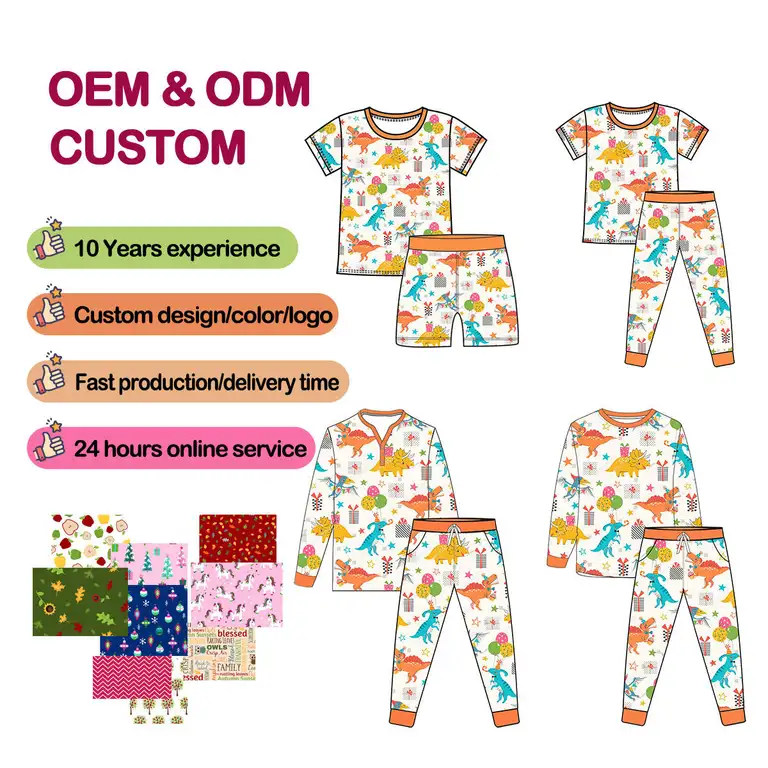
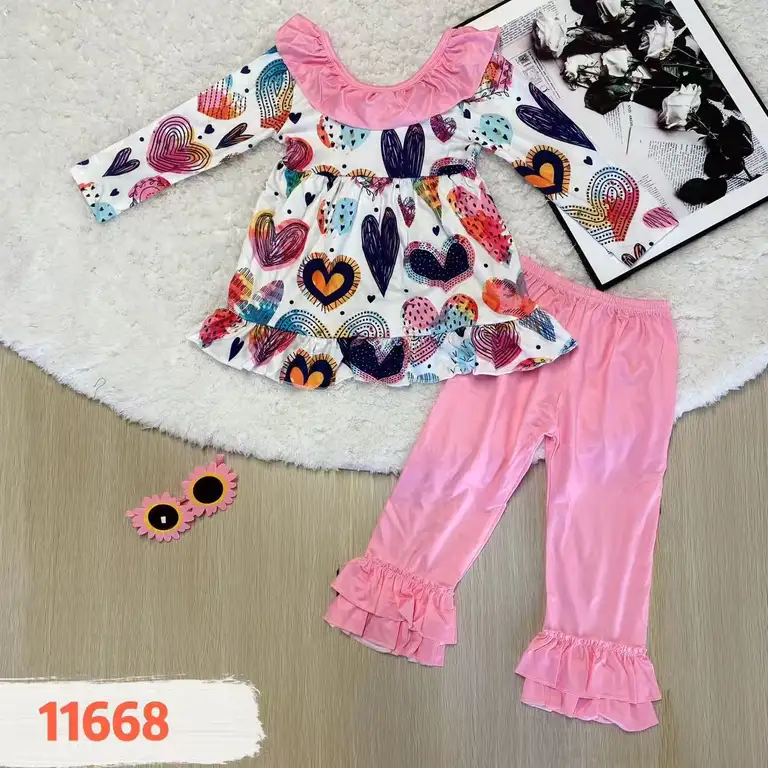
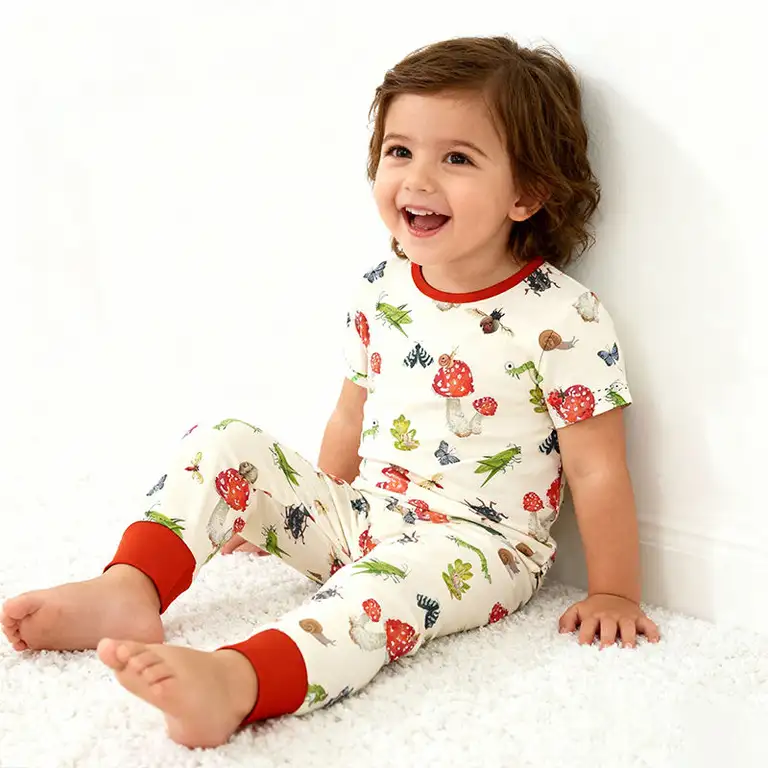
OEM Supplier China Bamboo Sleepwear
Overview of CPSIA and CPC Regulations Applicable to bamboo Sleepwear
The Consumer Product Safety Improvement Act of 2008 (CPSIA) establishes stringent regulations that apply to children's products, including bamboo Sleepwear. This legislation is especially pertinent for manufacturers due to its emphasis on chemical compliance, environmental impact considerations, and safety testing mechanisms, such as pull-test evaluations for small components. Each product category, including bamboo Sleepwear, must possess a valid Children’s Product Certificate (CPC) affirming compliance with mandatory safety standards. Without proper CPC documentation, manufacturers, wholesalers, and retailers expose themselves to severe legal risks, hefty fines, or product recalls.

For bamboo Sleepwear, this involves meeting flammability standards under 16 CFR Part 1615 (for children’s sleepwear sizing 0-6X) or 16 CFR Part 1616 (for children’s sleepwear sizing 7-14). It also requires conformity to limits on lead content (substrate materials must not exceed 100 ppm) and phthalate levels, which apply to items designed for children under the age of 12. Compliance must be validated through CPSC-accepted third-party testing laboratories.
Pull-Test Requirements for bamboo Sleepwear
Pull-tests are critical for verifying the mechanical safety of bamboo Sleepwear. They evaluate the tensile strength and attachment integrity of functional and decorative components such as buttons, snaps, zippers, bows, or labels. Adhering to the CPSIA’s mechanical hazard testing protocols is essential to ensure that no component can detach under a force less than 15 lbs, which could lead to a choking hazard.
Manufacturers of bamboo Sleepwear must ensure pull testing is conducted during both pre-production sample reviews and post-production quality checks. Test protocols should account for scenarios such as laundering stress and infant or child handling forces. Non-compliance may result in recall actions per the Consumer Product Safety Commission (CPSC), which monitors marketplace violations daily. Legal consequences extend beyond financial penalties, as firms may face reputational damage documented in the CPSC’s public SaferProducts.gov database.
Legal Risks Associated with Non-Conformance in bamboo Sleepwear
Legal risk in the bamboo Sleepwear category increases when CPC documentation is improperly maintained or safety protocols such as material testing and item certifications are bypassed. In cases of non-compliance, the CPSC conducts market audits capable of imposing fines of up to $15 million per violation under the Consumer Product Safety Act (CPSA). Recalls have additional hidden costs, such as administrative expenses, reverse logistics for retrieving non-compliant products from bulk shipping protocols, and handling unsold inventory effectively through SKU rationalization.
Moreover, CPSIA requirements for tracking labels on bamboo Sleepwear grant significant authority to regulators to investigate product lineage. Should these labels—required under 15 U.S.C. 2063 (Children’s Products Tracking Labels)—fail to provide traceable information, businesses risk compliance failures that further compound penalty structures. Robust oversight must address both visible components, such as packaging details, and internal audit mechanisms for batch-level data assurance.
Flammability Standards for bamboo Sleepwear
Children’s sleepwear products, including bamboo Sleepwear, are subject to stringent flammability testing criteria guided by federal flammability standards. Under 16 CFR Parts 1615 and 1616, sleepwear sizes and weights must meet specific flame retardation levels without relying on bans of chemical additives detrimental to child health.
Testing under these standards involves various preconditioning measures, including fabric pilling resistance assessments and dimensional stability tests post-laundering cycles. Manufacturers failing these requirements for bamboo Sleepwear may not legally distribute their products in the U.S. marketplace. Thus, third-party validation tied to CPC issuance is non-negotiable to address burn safety performance criteria.
Ensuring Material Integrity for bamboo Sleepwear Across Supply Chains
Maintaining material integrity in bamboo Sleepwear manufacturing requires constant oversight, beginning with procurement. Textile mills supplying bamboo-derived fabrics must provide documentation demonstrating compliance with CPSIA regulations. Ensuring this material meets purity standards for chemical safety (e.g., organic solvent residues) is paramount, especially where consumers may assume “sustainable bamboo” implies added ecological safety.
Downstream manufacturing stages—which include dyeing, printing, and cutting and sewing assemblies—should conform to bulk-shipping protocols that avoid chemical cross-contamination risks. While cotton-blend or other material hybridization practices may theoretically reduce total operations costs, they increase flammability compliance burdens for pure bamboo textile certifications essential in the bamboo Sleepwear Manufacturer Price List.
Children’s Product Certification (CPC) for bamboo Sleepwear
Obtaining CPC documents for bamboo Sleepwear involves rigorous adherence to safety and regulatory mandates for children's products outlined by the CPSIA. Certificates, based on third-party laboratory tests accredited by the CPSC, confirm compliance with flammability standards, lead and phthalate content limits, and mechanical safety tests. Failure to secure valid CPCs for distributed products results in immediate enforcement actions, including recalls, import denials, and potential civil penalties.
To streamline compliance-related costs without compromising legality, brands offering bamboo Sleepwear should incorporate routine audits of third-party testing facilities listed in the CPSC’s database. Statistical sampling plans can mitigate redundant sampling loads, offering efficient compliance validation within product SKUs outlined in a bamboo Sleepwear Manufacturer Price List. Legal counsel specializing in CPSIA litigation could further safeguard company practices.
| Eco Index | 90% Certified |
| Quality Audit | BV |
| Industrial Manufacturing Requirement | Kids Christmas Pjs |
| Lead Time | 26 Days |
| Base Composition | Pima 149nd Gen |
| Global Wholesale Data | Toddler Bamboo Pajamas Christmas |
Traceability for Compliance in bamboo Sleepwear
Tracking labels affixed to bamboo Sleepwear must display key information under federal packaging requirements: the manufacturing site location, batch/lot number identifying date ranges, and the contact details of responsible entities. Adherence to these tracking protocols offers defensive proof during CPSC inquiries regarding defect liability.
For continuity, digital serialization technologies, such as QR-based SKU overlays, permit quick access to batch-testing progress. Such traceability infrastructure is vital when maintaining logistical hygiene surrounding bulk-shipping protocols; it prevents delays resulting from misplaced documentation in international transit channels for low-cost supply agreements defined by underrepresented sections in the bamboo Sleepwear Manufacturer Price List.