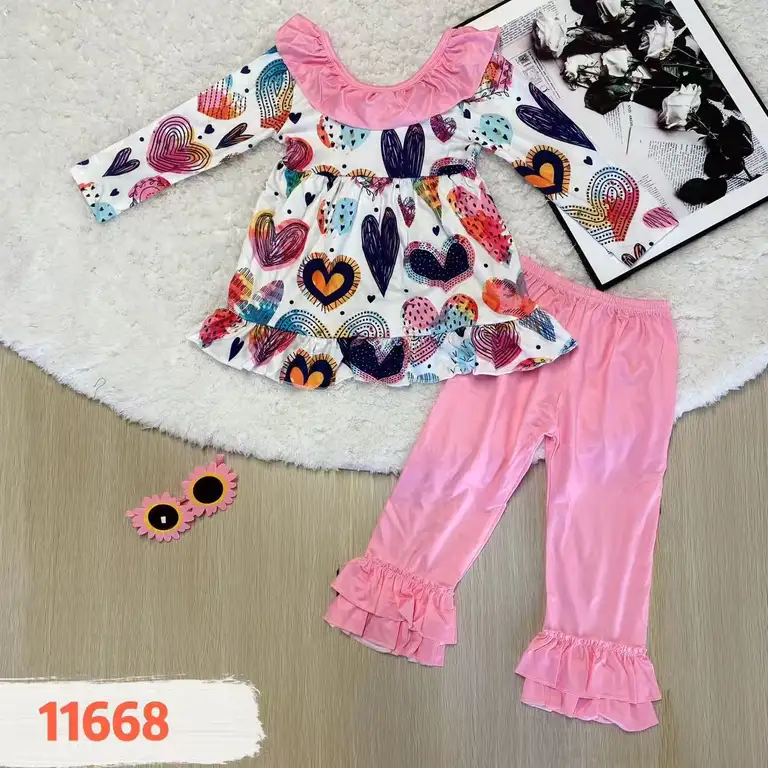
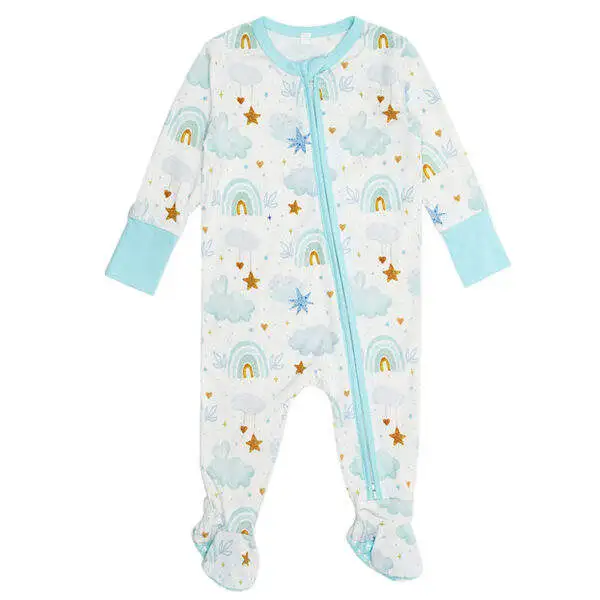
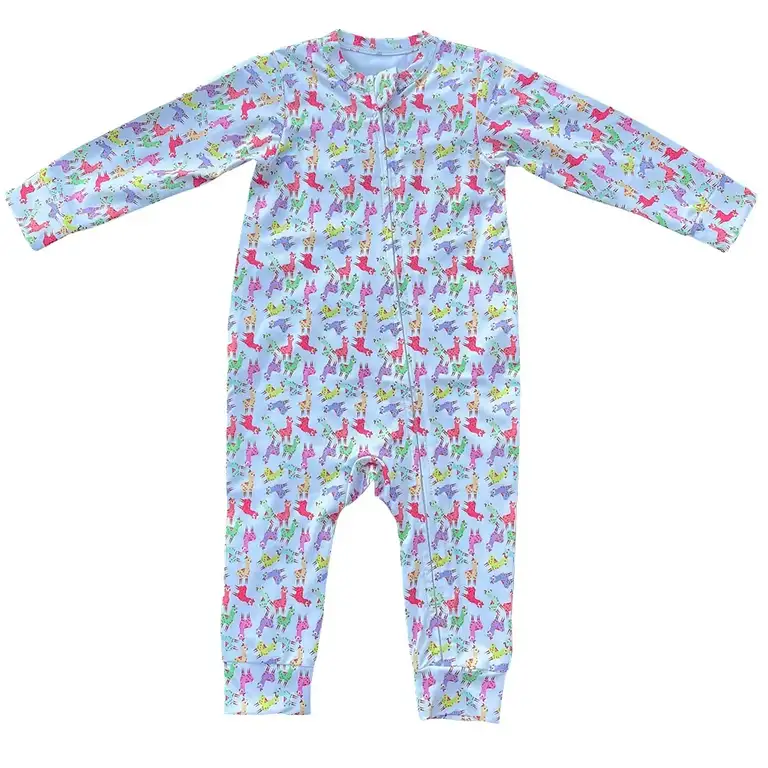
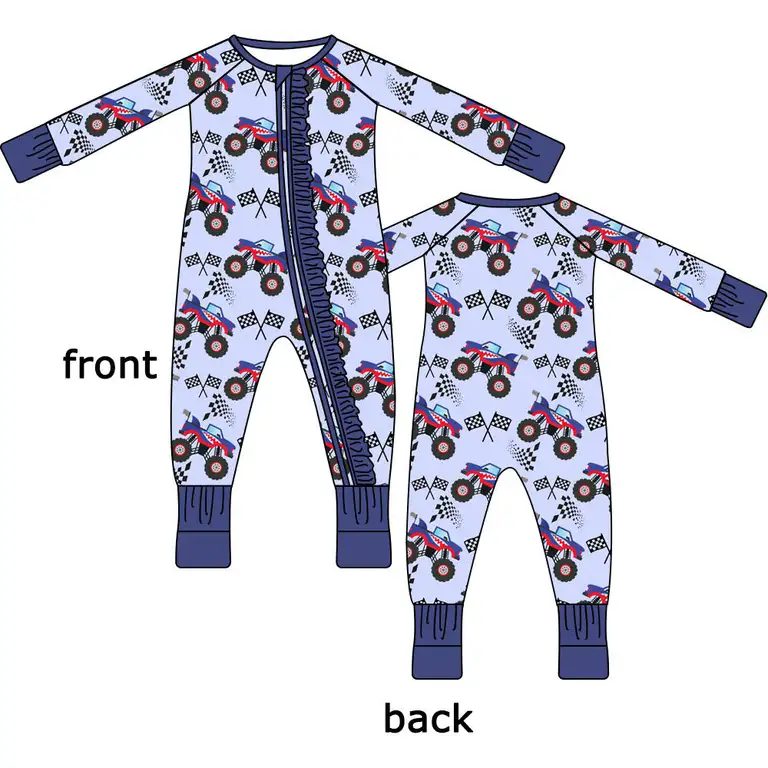
OEM Direct Top Manufacturer Supplier Baby Items And Accessories
Understanding CPSIA and CPC Regulations for Baby Items and Accessories
The Consumer Product Safety Improvement Act (CPSIA) establishes critical safety guidelines for baby items and accessories. Every company marketing baby items and accessories OEM Custom Design is legally required to comply with its stipulations. Specifically, all baby items and accessories must undergo stringent physical and chemical testing to meet regulatory standards.

A key element under CPSIA is the Children’s Product Certificate (CPC). The CPC demands a series of enforced compliance declarations, inspecting essential safety metrics such as lead content (with a maximum allowable limit of 100 ppm), phthalates concentration (restricted below 0.1% in accessible plastic or rubber components), flammability standards for fabric-based accessories, and the presence of any sharp edges or small detachable parts. Manufacturers of baby items and accessories OEM Custom Design must ensure all facets of CPC documentation are complete, exhaustive, and regularly updated.
Critical Pull-Test Testing Protocols for Baby Items and Accessories
Pull-test testing is an integral requirement for ensuring the physical sturdiness of baby items and accessories, especially for accessories with attached components such as buttons, snaps, zippers, or decorative embellishments. ASTM F963 and 16 CFR Part 1501 outline the guidelines for assessing compliance with standards focused on small parts in baby items and accessories, particularly those intended for children aged three and under.
Conducting pull tests entails applying a specific level of force, categorized into incremental weight thresholds aligned with the age group of the targeted end-users. For baby items and accessories, the force metrics often exceed 15 pounds (66.7 Newtons) to certify that any attached elements cannot be detached and subsequently swallowed, posing a choking hazard.
When producing baby items and accessories OEM Custom Design, testing must replicate real-world scenarios, including abusive handling by infants and toddlers. Materials with lower GSM fabric consistency may need extra evaluations, as they are prone to ripping during force application. Rigorous quality assurance measures, involving inspectors equipped with digital force gauges calibrated to international protocols, are indispensable.
High-Risk Components in Baby Items and Accessories
Key chemical and structural risks persist in the production and retail of baby items and accessories. To mitigate recall incidents, a deep understanding of the high-risk zones in baby items and accessories OEM Custom Design is necessary:
- Plastic Degradation: Plastic parts in pacifiers, clips, and teething rings carry a risk of degradation under temperature shifts. Inspection for phthalates, BPA, and related compounds must be precise and aligned with 15 U.S.C. § 1278a regulatory standards.
- Small Components: Fasteners like buttons, clasps, and snap-ons frequently fail pull-test durability, presenting liability compliance issues. High-yield polymer alternatives can mitigate this risk.
- Lead Finish Risks: Painted surfaces in baby items and accessories, such as those on cribs or highchairs, require strict lead content testing to ensure adherence to FDA recommendations of less than 90 ppm for surface coatings.
- Textile Hazards: Fabric-based baby items and accessories such as blankets and bibs require GSM consistency evaluation. Fabrics prone to pilling or with exposed fibers can form detachable micro-components that may be ingested, becoming a significant health hazard.
Legal Liability Risks in Baby Items and Accessories OEM Custom Design
Legal claims related to baby items and accessories generally involve three primary concerns: choking, toxicity, and improper labeling. OEM manufacturers aiming to build a portfolio of compliant baby items and accessories must integrate risk mitigation strategies emphasizing the following areas:
- Documentation Precision: Documents supporting CPC verification for baby items and accessories must include batch numbers, SKU rationalization data, comprehensive lab test certifications, and statements regarding compliance with ASTM and CPSIA standards.
- Testing Protocol Failures: Lapses in immediate re-testing of prototype designs may indicate negligence. Deploy additional compliance personnel to check fabrication consistency, especially for baby items and accessories OEM Custom Design featuring interchangeable components.
- Third-Party Manufacturing Vetting: OEM contracts involving outsourced assembly should feature clauses mandating third-party CPSC-accredited lab certifications for interim quality checks.
Batch Sampling Methodologies for Baby Items and Accessories OEM Custom Design
Effective quality control methodologies for baby items and accessories require randomized batch sampling, especially for large product runs exceeding 10,000 units. Drop protocols, chemical immersion studies, and temperature resilience simulation tests should lead the sampling strategies.
While conducting batch sampling, fabric samples of less than 180 GSM are automatically flagged for repeated tensile strength testing. This is critical for bibs, fitted sheets, or sling carriers included in baby items and accessories lines. OCR tools should digitize testing logs to verify batch integrity across stakeholders.
Labels, Tags, and Warning Statements in Baby Items and Accessories
Federal law mandates distinct labeling for baby items and accessories. Key elements include tracking codes, manufacturer addresses, and age-appropriate warning labels. Brands offering baby items and accessories OEM Custom Design must ensure permanent affixation of tracking labels via embossing, laser marking, or durable heat-transfer techniques.
Misguided or absent warning statements have led to extensive product recalls in the baby items and accessories market. For instance, products using adhesives on labels face risks of label detachment. Pressure-sensitive ink ensures longevity of label text despite frequent handling or washing.
Improper Use and Secondary Testing of Baby Items and Accessories
Consumer misuse of baby items and accessories poses indirect liability risks. Misuse might involve excessive exposure of in-built textiles to UV rays or corrosive environments resulting in textile fading and structural disintegration. Conducting secondary testing for worst-case physical scenarios on UV-resistant dyes or polyester-based products builds reputational integrity.
Baby items and accessories OEM Custom Design teams should extend their warranty education programs to include training guides showcasing proper usage cycles for items like breast pump kits, pacifier holders, or teething rails.
| Base Composition | Pima 561nd Gen |
| Quality Audit | BV |
| Lead Time | 30 Days |
| Global Application Requirement | Pajamas Bamboo Cotton |
| Elite Usage Focus | Bamboo Pajamasbaby Rompers |
| Eco Index | 86% Certified |
Innovation Areas in Baby Items and Accessories Testing
The next advancements in compliance testing for baby items and accessories include toxicity inertness trials for hypoallergenic materials and RFID-enabled tracking integration. RFID tracking in baby items and accessories, while raising CPSC data privacy discussions, could enhance traceability during retail recalls.
Additionally, integrating optical scanners in production lines can quantify minute discrepancies in fabric weave density or identify resin composition flaws in pacifiers, allowing early-stage resolution for problematic batches. For baby items and accessories OEM Custom Design leaders aiming at long-term shelf stability, piloting solvent-resistant materials is another emerging pathway.