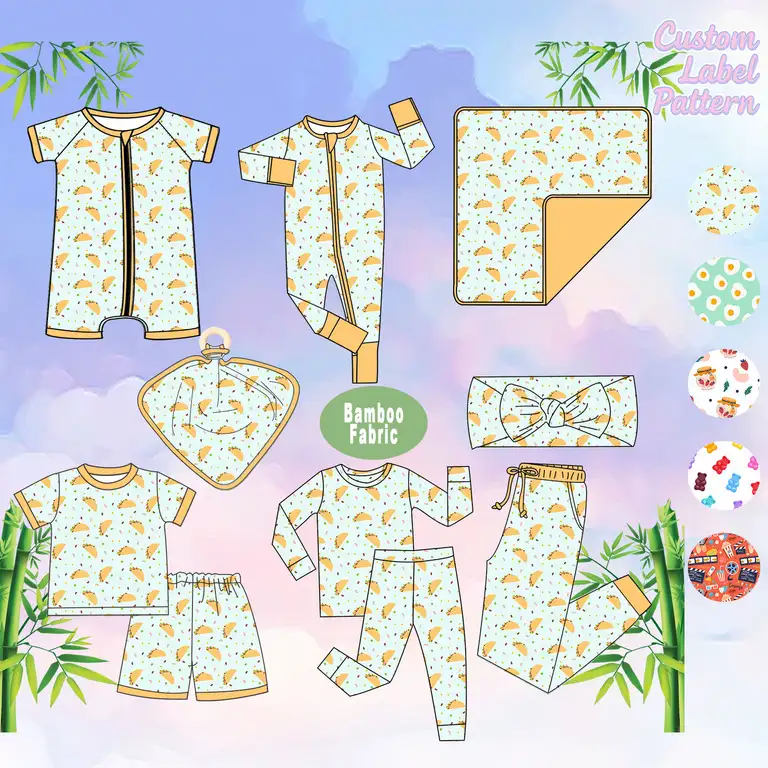
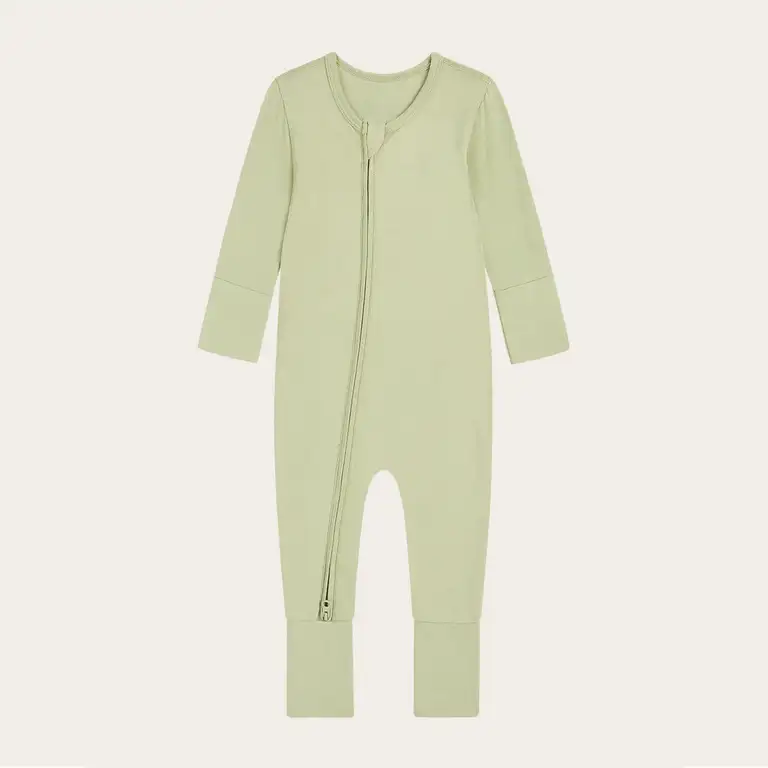
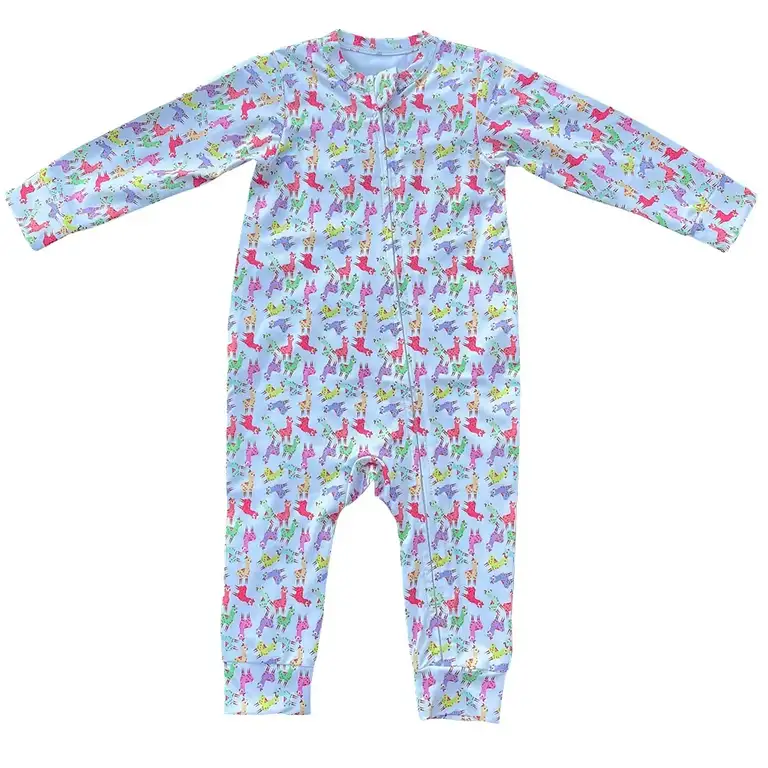
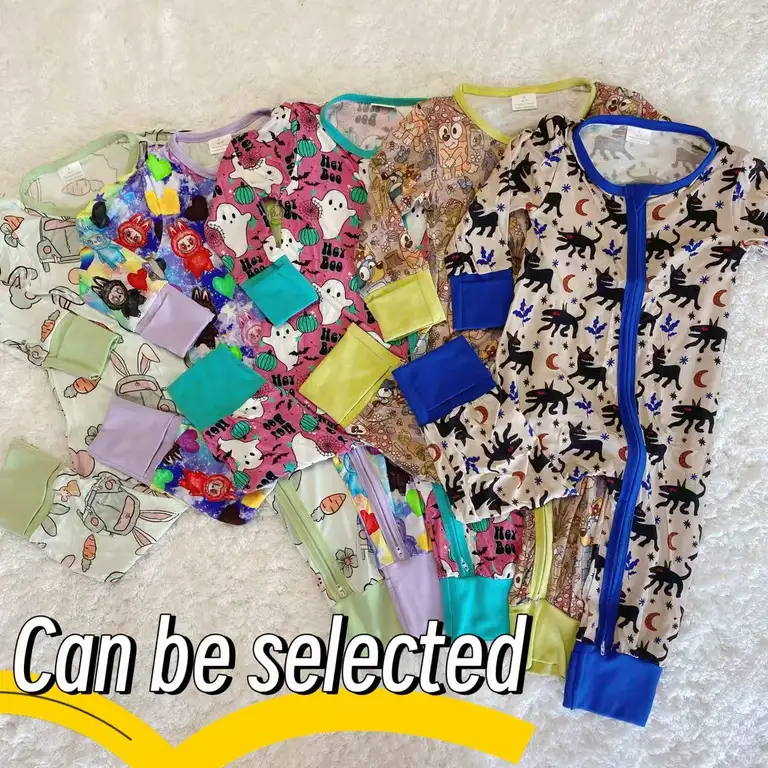
New Born Baby Clothes Leading Factory Direct Source OEM
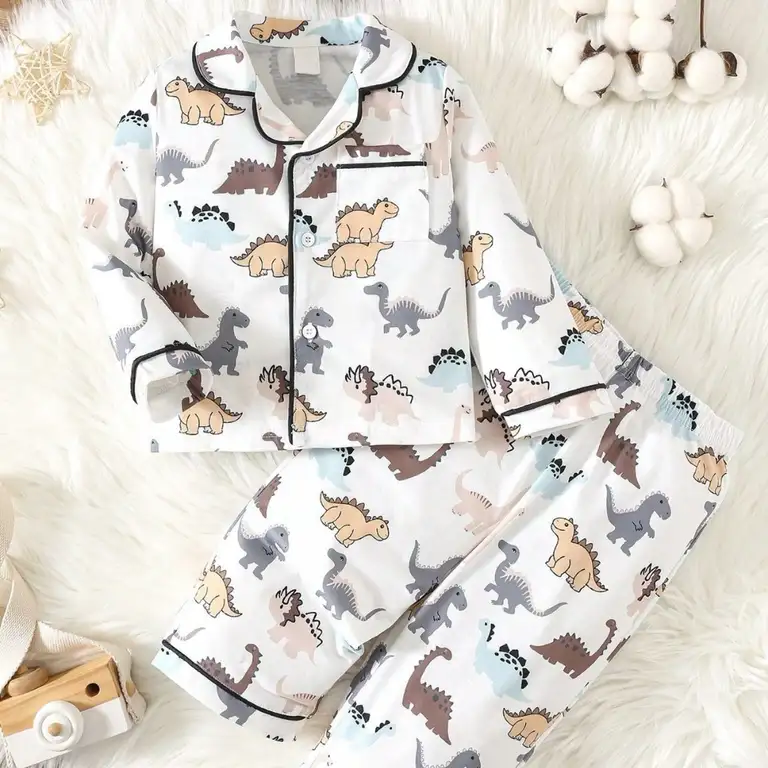
Introduction to CPSIA and CPC Compliance in new Born Baby Clothes
Compliance with the Consumer Product Safety Improvement Act (CPSIA) is essential for manufacturers, distributors, and retailers involved in the production or sale of new Born Baby Clothes. The CPC (Children’s Product Certificate) is a mandatory requirement that certifies compliance with all applicable safety standards for children’s products, including new Born Baby Clothes. Failure to adhere to these regulations can result in heavy penalties, product recalls, and severe reputational damage.

Key testing criteria include lead content limits, flammability testing, and small parts pull-tests, all of which must be documented with third-party lab testing reports. In the context of new Born Baby Clothes, specific attention must be given to material GSM consistency, stitching durability, and any attached ornamentation or embellishments.
Mandatory Testing Requirements for new Born Baby Clothes
1. Lead Content Limits
Lead content in materials used for new Born Baby Clothes, including both textiles and non-textile components such as buttons or snaps, must not exceed 100 parts per million (ppm). Testing for lead content must be conducted by a CPSC-accredited lab to certify compliance with CPSIA regulations.
2. Flammability Testing
The Flammable Fabrics Act (FFA) mandates that new Born Baby Clothes comply with flammability standards as prescribed in 16 CFR Part 1610. Fabrics categorized under Class 1 (normal flammability) are permissible for children’s clothing. Low GSM fabrics with high synthetic content are particularly vulnerable to flammability risks and require rigorous testing during the production cycle.
3. Small Parts Pull-Test Strength
Pull-test strength is a critical metric in evaluating new Born Baby Clothes. Decorative elements such as bows, buttons, and rivets must withstand a minimum 15-pound pull force to ensure they don’t become choking hazards. This is particularly relevant for new Born Baby Clothes, as infants are prone to mouthing objects. Testing should be performed under ASTM F963 or EN71-1 standards, and supporting documentation must be kept for CPSC inspections and audits.
Regulatory Labeling and Documentation Compliance
Labeling is a fundamental component of CPSIA compliance for new Born Baby Clothes. Every item must adhere to tracking label requirements under Section 103 of the CPSIA. Critical label components include:
- Manufacturer or private labeler name
- Production date and location
- Batch or run number for traceability
Labels must be permanently affixed to the product and remain legible throughout the garment's lifecycle. Additionally, each product must be accompanied by a valid CPC, verifying compliance with all safety regulations pertinent to new Born Baby Clothes.
Inspection Protocols in the new Born Baby Clothes Supply Chain Solutions
1. Material Inspection
Material quality directly impacts compliance with safety regulations. For new Born Baby Clothes Supply Chain Solutions, incoming raw materials should be inspected for GSM consistency, colorfastness, and toxic chemical residues. Vendors must provide Material Safety Data Sheets (MSDS) and third-party test certificates to substantiate material safety claims.
2. Inline Manufacturing Audits
During production, conducting inline quality audits is crucial to identify defects and deviations from established standards early. Metrics like stitch per inch (SPI), dimensional tolerances, and AQL 2.5 acceptance criteria should be rigorously applied to all new Born Baby Clothes.
3. Final Random Inspection (FRI)
The FRI process is the final gatekeeper before product shipment. For new Born Baby Clothes, the inspection should verify critical safety points such as absence of sharp edges, choking hazards, and compliance with declared colorfastness and durability standards.
Common Legal Risks in new Born Baby Clothes Supply Chain Solutions
Non-compliance with CPSIA regulations exposes businesses to significant legal liabilities, including product recalls, penalties, and lawsuits. Below are the primary legal risks associated with new Born Baby Clothes Supply Chain Solutions:
1. Product Recalls
Recalls for new Born Baby Clothes can occur due to non-compliance with lead content limits, inadequate pull-test strength, or failure to meet flammability standards. Each recall not only results in financial losses but also damages brand reputation, potentially alienating consumers.
2. Import and Customs Delays
Non-compliance with U.S. import regulations, including CPSIA documentation and proper labeling of goods, can lead to extended customs delays. Imported new Born Baby Clothes are subject to inspection by the CPSC, where failures can result in denied entry, impacting delivery lead times and customer satisfaction.
3. Litigation Risks
Legal claims such as product liability lawsuits can arise from injuries or harm caused by new Born Baby Clothes. Thorough documentation, comprehensive compliance, and proactive testing can mitigate these risks.
Best Practices for Achieving Supply Chain Compliance in new Born Baby Clothes
Adopting best practices throughout the supply chain reduces the risk of non-compliance and enhances product safety for new Born Baby Clothes. Here are essential strategies:
1. Vendor Qualification and Collaboration
Select vendors who have a proven track record in manufacturing children’s products compliant with CPSIA standards. Establish clear quality control agreements, including clauses for material safety certifications, and engage in regular collaboration to eliminate compliance risks for new Born Baby Clothes.
2. Pre-Production Sample Testing
Before mass production, pre-production samples must undergo all relevant testing protocols, such as lead content, flammability, and pull tests. This ensures that mass-produced new Born Baby Clothes adhere to safety requirements from the outset.
3. Document Retention and Accessibility
Maintain all test reports, CPCs, and material certifications for a minimum of five years, as mandated by CPSIA regulations. This documentation must be readily accessible for regulatory inspections and audits involving new Born Baby Clothes.
Implementing a Proactive Compliance Approach in new Born Baby Clothes Supply Chain Solutions
1. Use of Technology for Traceability
Implement supply chain management software to enable full traceability of materials and production batches within new Born Baby Clothes Supply Chain Solutions. Advanced systems with RFID or QR code tracking can provide real-time data audits and compliance confirmations.
2. Third-Party Quality Audits
Engaging independent third-party auditors to assess facilities and final product compliance for new Born Baby Clothes ensures objectivity and aligns with global buyer expectations. This also minimizes liability risks in case of non-conformance occurrences.
3. Continuous Training and Knowledge Upgradation
Train teams across the new Born Baby Clothes Supply Chain Solutions, including sourcing, production, and quality assurance, on updated CPSIA standards and testing methodologies. Periodic training ensures that all stakeholders are proficient in detecting and mitigating compliance issues.
| Elite Textile Data | Bamboo Mystery Bundle |
| Eco Index | 90% Certified |
| Core Application Focus | Spring Custom Ribbed Round Neck Solid Loungewear Sets Winter Long Bamboo Pajamas Women Set Cotton Pyjamas Pj Sets |
| Lead Time | 25 Days |
| Base Composition | Pima 115nd Gen |
| Quality Audit | SGS |
Cost-Effective Strategies for Ensuring Compliance in new Born Baby Clothes
Compliance need not be cost-prohibitive. Efficient planning and strategic partnerships can minimize expenses while meeting regulatory requirements for new Born Baby Clothes.
1. Bulk Testing Discounts
For ongoing production in new Born Baby Clothes Supply Chain Solutions, consolidate testing batches to reduce per-unit costs at CPSC-approved labs.
2. Material Procurement Optimization
Work with suppliers who offer pre-tested materials with compliance certifications. This streamlines the process for new Born Baby Clothes, eliminating the need for redundant third-party testing.
3. Scaling AQL Inspections
Implement AQL 2.5 acceptance criteria as a baseline while adjusting according to order size and material variation. This ensures that inspection processes for new Born Baby Clothes are both thorough and cost-effective.