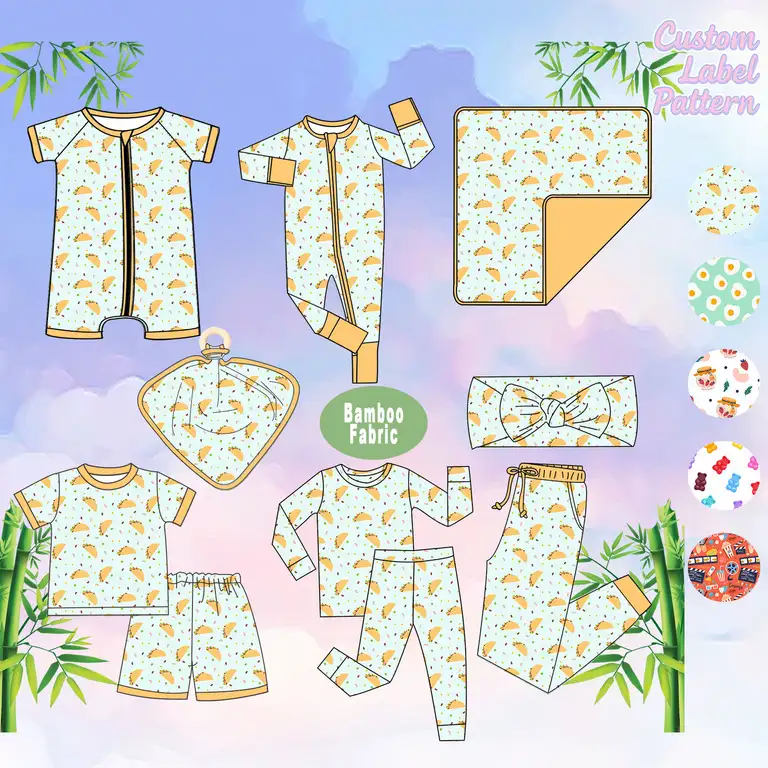
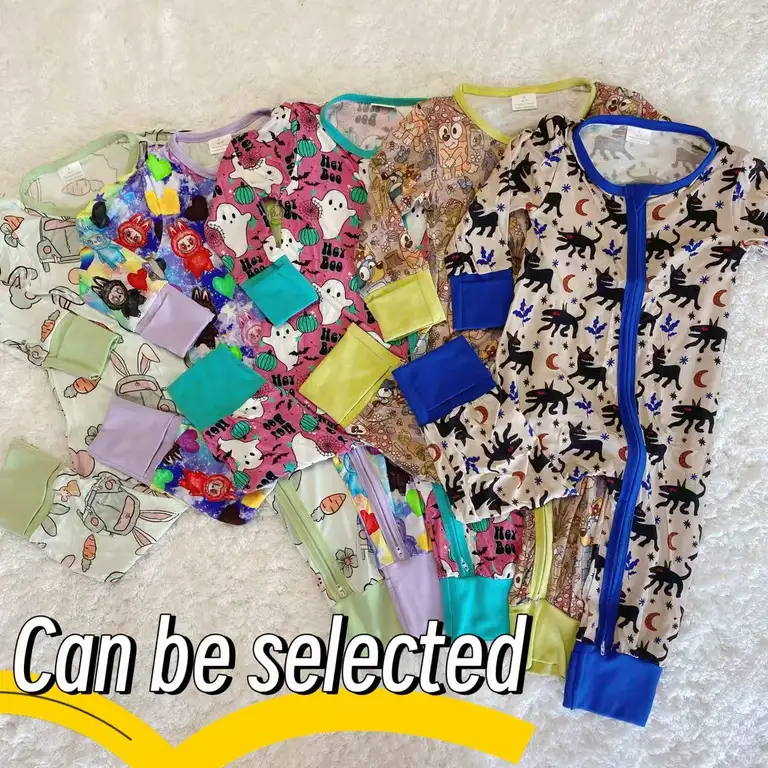
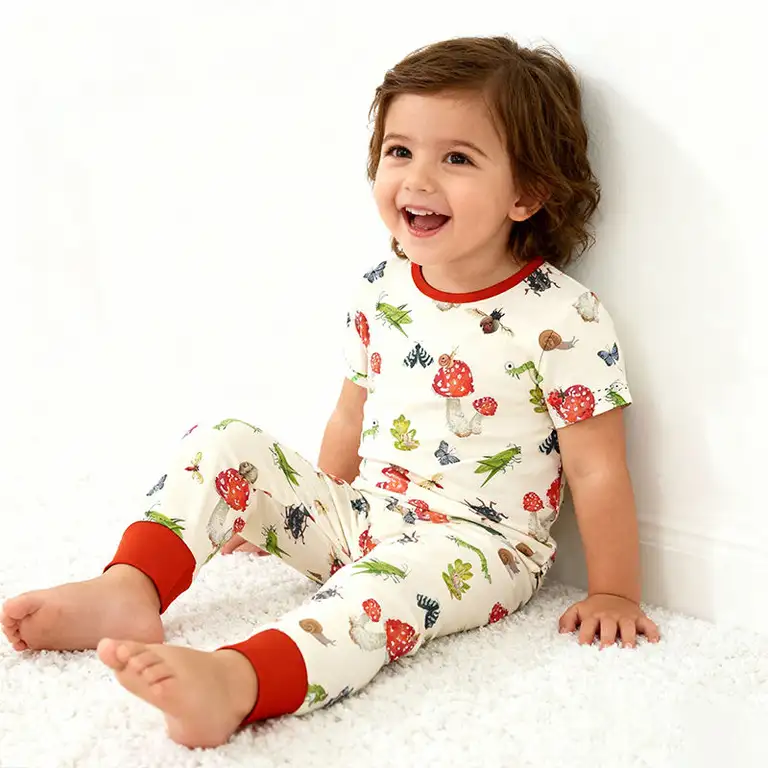
Leading Direct Wholesale Bamboo Clothes Wholesale Verified
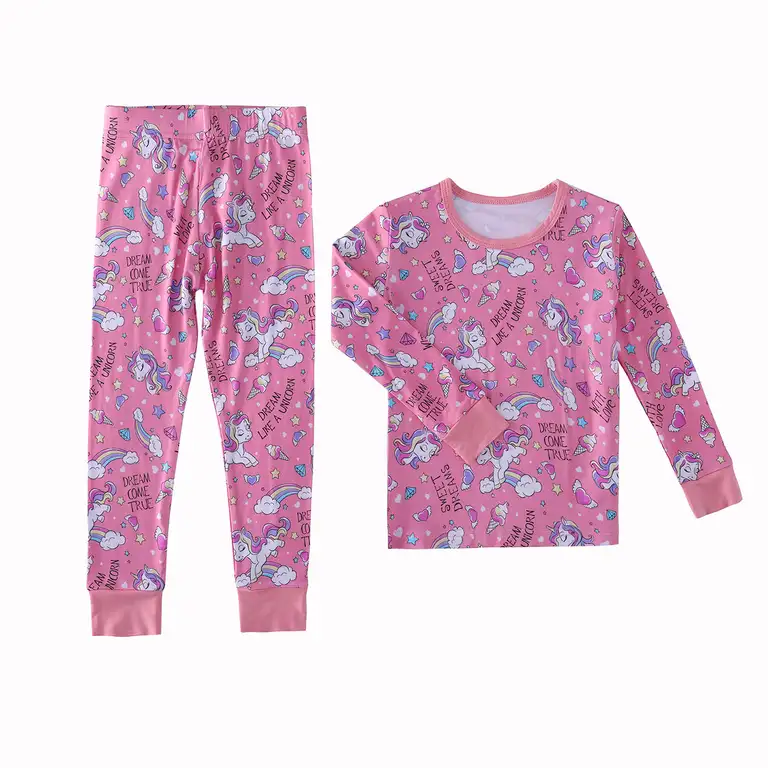
When sourcing wholesale bamboo clothes for B2B markets, safety, compliance, and certifications are paramount. This guide details the exhaustive requirements for adhering to CPSIA (Consumer Product Safety Improvement Act) laws, achieving CPC (Children’s Product Certificate) compliance, and implementing pull-test testing. Keeping these considerations at the forefront will maintain the integrity of wholesale bamboo clothes B2B Export Quality and safeguard your business against legal risks.

CPSIA Compliance for Wholesale Bamboo Clothes
The CPSIA, enacted to ensure children’s products meet stringent safety standards, directly impacts wholesale bamboo clothes if they are classified as children’s textiles. Key mandates include lead content limits, phthalates restrictions, labeling, and testing protocols.
- Lead Content: CPSIA stipulates that bamboo textiles intended for children must contain no more than 100 ppm (parts per million) of lead in any accessible part. Businesses in the B2B supply chain for wholesale bamboo clothes should segregate children’s apparel during production to prevent contamination risks.
- Phthalates: Phthalates, commonly found in embellishments or elastic parts of garments, are limited to 0.1% across eight regulated compounds. For wholesale bamboo clothes B2B Export Quality, ensure sourcing from tier-1 suppliers with verifiable material disclosures.
- CPSIA Tracking Labels: Every piece of children’s clothing must include permanent tracking information, including the manufacturer's name, date of production, and batch information. Failure to comply with this labelling standard increases recall and legal exposure risks for wholesale bamboo clothes.
Testing Requirements under CPSIA
Before selling wholesale bamboo clothes in the U.S., third-party laboratory testing is mandatory to substantiate compliance. Laboratories must meet CPSC-accreditation criteria and provide test reports for material composition, lead content, and flammability standards. Using unverified labs jeopardizes legal documentation for wholesale bamboo clothes B2B Export Quality.
Tests to be prioritized include:
- Textile Flammability: CPSIA mandates that Class 1 flammability standards apply to plain surface bamboo textiles. Avoid materials failing these tests as they risk significant product recalls.
- Mechanical Hazards: For wholesale bamboo clothes with buttons, snaps, or zippers, accessory integrity testing is critical. Deficient designs contribute to choking hazards, creating product liability risks.
CPC Certification for Wholesale Bamboo Clothes
A CPC (Children's Product Certificate) is a legal document confirming that wholesale bamboo clothes comply with applicable safety regulations. The certificate must accompany every shipment targeted for children and outlines documented testing, which aligns with CPSIA.
Key CPC Documentation Elements
- Product Information: Accurately describe wholesale bamboo clothes, including model or SKU numbers and batch identifiers. Incomplete descriptors nullify the certificate.
- Compliance Standards Referenced: Specify relevant sections of CPSIA adhered to, such as Section 101 (Lead) or Section 106 (Mandatory Standards for Baby Clothing).
- Testing Laboratory Details: Provide the exact name, address, and accreditation details of the lab issuing compliance certifications for wholesale bamboo clothes. Uncertified technological tests will be invalid.
Legal Ramifications of CPC Non-Compliance
Importers and distributors of wholesale bamboo clothes must recognize the severe legal implications of failing CPC compliance. The CPSC (Consumer Product Safety Commission) regularly oversees product recalls and enforces penalties ranging from $15,000 per violation to millions in severe cases. Additionally, CPC non-compliance exposes brands to litigation under “strict liability” statutes, even if manufacturers were negligent. Reinforcing CPC certifications for wholesale bamboo clothes throughout the supply chain is a non-negotiable practice for B2B stakeholders.
Pull-Test Compliance for Wholesale Bamboo Clothes
For B2B purposes, pull-test testing ensures durability and safety standards in textiles containing fastenings or embellishments. This test determines the stress thresholds that accessories such as buttons, snaps, or zipper components can endure. Meeting international pull-test thresholds is essential for wholesale bamboo clothes, especially in children's wear markets.
Key Pull-Test Standards
- For Children’s Garments: Accessories on wholesale bamboo clothes marketed to children must exceed 7.3 kgf (16 lbs) of pull force without detaching. Conduct pull tests under ASTM F963 or ISO 8124 protocols for internationally accepted compliance.
- For General Garments: While adult clothing typically has less stringent requirements, many buyers now demand pull-tests as an assurance of garment quality. Well-conducted testing reinforces buyer trust in the durability of wholesale bamboo clothes B2B Export Quality.
Pull-Test Methods: Ensuring Precision
- Test Fixture Equipment: Use precision fixtures designed for accessories on wholesale bamboo clothes to standardize testing results. The lack of calibrated equipment introduces variability that can nullify results during audits.
- Force Application: Apply gradual, uniform force during testing at a rate of 2.5 cm (1 inch) per second. Sudden force application invalidates results due to the risk of exceeding natural stress tolerances.
Tracking and Mitigating Failure Rates
Frequent failure during pull-tests can indicate poor accessory sourcing or weak attachment seams. B2B exporters of wholesale bamboo clothes should implement Quality Control (QC) measures at manufacturing facilities. Use statistics from pull-tests to enhance accessory attachment robustness for subsequent shipments.
Minimizing Legal and Financial Risks in Wholesale Bamboo Clothes Compliance
Without strict adherence to the outlined safety protocols, compliance lapses in wholesale bamboo clothes can lead to severe financial and reputational damages. Below are key risk management steps for B2B partners:
Third-Party Verification
Partnering with third-party testing organizations ensures unbiased assessments of wholesale bamboo clothes across all CPSIA and pull-test parameters. Always verify the laboratory’s CPSC accreditation before engaging their services.
Material Traceability
Sourcing materials for wholesale bamboo clothes from tier-1 suppliers facilitates traceability, certification authenticity, and reduced GSM inconsistencies. Request material safety data sheets (MSDS) for every batch of fabric or accessory received.
Internal Audits and Continuous Training
Regular internal audits at manufacturing facilities producing wholesale bamboo clothes help rectify non-compliance early. Additionally, train QA teams to remain updated on regional compliance laws governing children’s wear, pull-tests, and safety labeling.
Leveraging Inspection AQL (Acceptance Quality Limit)
Adopt AQL standards for lot inspections to determine the acceptable percentage of defective units in shipments. Aim for an AQL threshold of ≤4% for wholesale bamboo clothes B2B Export Quality. Exceeding this metric jeopardizes client partnerships significantly.
Supply Chain Considerations for Wholesale Bamboo Clothes
Supply chain transparency is crucial in ensuring that wholesale bamboo clothes meet compliance expectations. Below factors demand special attention:
Supplier Agreements
Suppliers providing raw bamboo textiles or accessories for wholesale bamboo clothes should sign explicit agreements guaranteeing compliance with CPSIA standards and CPC traceability. Failure on the supplier’s end can impact the entire export chain.
| Base Composition | Pima 747nd Gen |
| Premier Wholesale Field | Christmas Bow Bamboo/Spandex Pajamas |
| Quality Audit | Intertek |
| Elite Application Zone | Bamboo Blanket Rts |
| Lead Time | 18 Days |
| Eco Index | 94% Certified |
Factory Audits
Conduct annual audits of factories producing wholesale bamboo clothes to validate ethical sourcing, worker conditions, and adherence to production tolerances. Utilize certified inspection bodies to issue detailed reports.
Logistics Safety
During shipment, ensure wholesale bamboo clothes are stored under dry conditions to prevent mold or natural fiber degradation. Improper logistics can compromise export quality and breach client SLA (service level agreements).