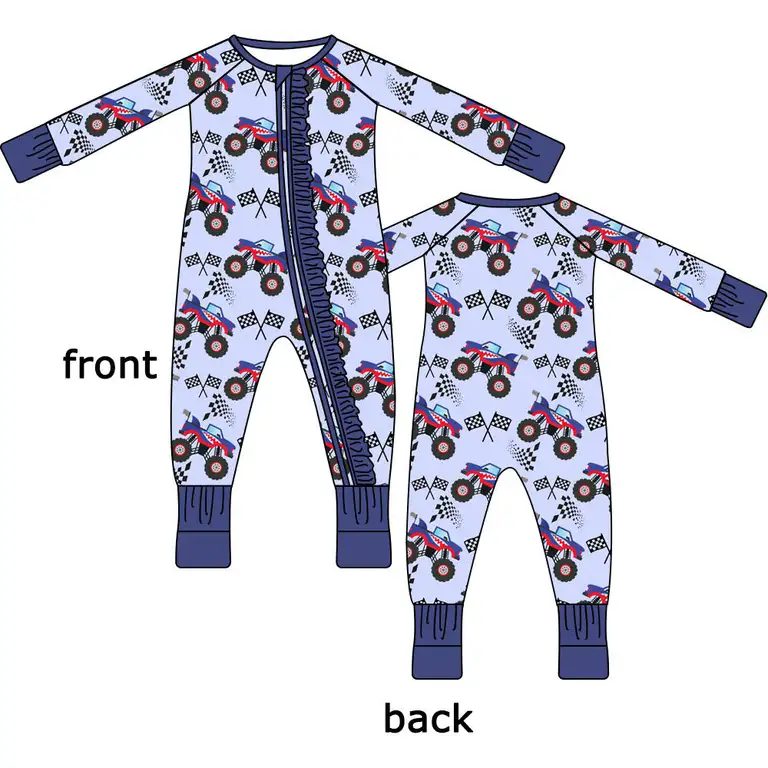
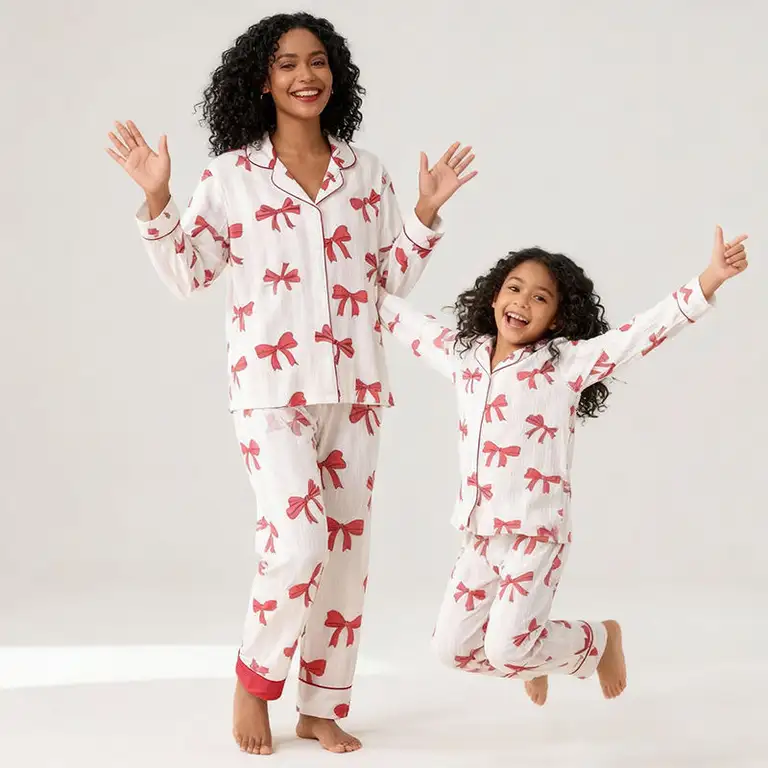
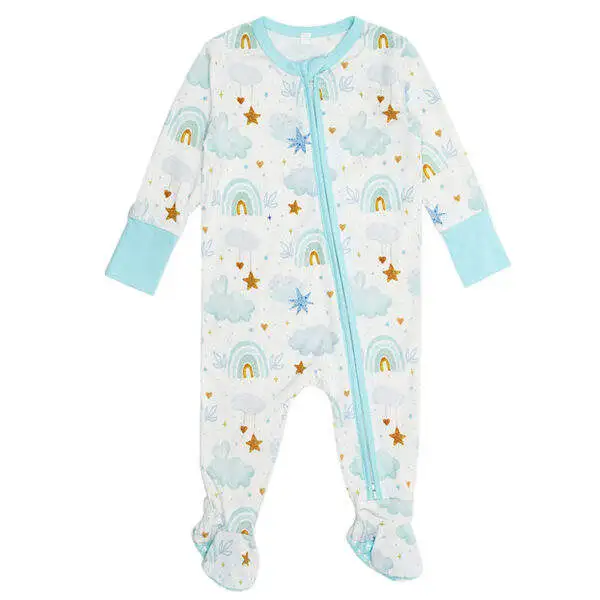
Factory Supplier Clothing For Babies Manufacturer
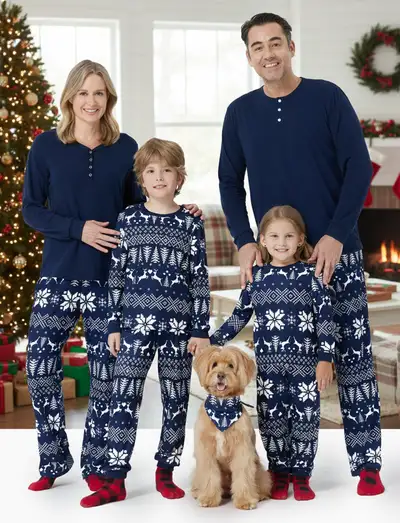
Ensuring CPSIA compliance within the clothing For Babies industry demands precision, accurate documentation, and adherence to rigorous testing protocols. Retailers, distributors, and manufacturers must integrate safety-focused measures into their clothing For Babies Supply Chain Solutions to mitigate legal and operational risks. Non-compliance risks not only steep financial penalties but also irrevocable damage to brand integrity, making regulatory alignment a top-tier operational priority.

CPSIA Requirements for Clothing For Babies
The Consumer Product Safety Improvement Act (CPSIA) mandates strict guidelines for textiles and components used in clothing For Babies. Fabrics, trims, and attachments must undergo third-party testing to certify compliance with lead content limits and phthalate restrictions. Laboratories recognized by the Consumer Product Safety Commission (CPSC) should be employed for these evaluations, ensuring traceability for every batch within your clothing For Babies Supply Chain Solutions.
Each shipment of clothing For Babies must be accompanied by a Children's Product Certificate (CPC) that confirms compliance. The CPC must outline testing results, the specific model tested, and identification of the accredited lab. Retailers who fail to provide accurate certificates burden themselves with direct liability.
Pull-Test Standards for Clothing For Babies
Components such as buttons, snaps, zippers, and decorative items are required to undergo pull testing to comply with CPSIA-mandated safety protocols for clothing For Babies. The pull test evaluates the potential for small parts to detach under force, thereby preventing choking hazards.
The established pull force metric for the durability of these fastenings is approximately 15 pounds (67 Newtons) for clothing For Babies. Conduct rigorous testing across random batch samples with certified equipment. Any component that fails pull-testing protocols must result in a production halt to avoid shipping non-compliant goods within your clothing For Babies Supply Chain Solutions.
Labeling Compliance in Clothing For Babies
Under CPSIA mandates, proper labeling is another critical compliance factor for clothing For Babies. Labels must include traceability information such as manufacturer names, batch codes, and dates of production. Establish internal audits within your clothing For Babies Supply Chain Solutions to verify consistent labeling adherence.
Textile care instructions outlined under ASTM and ISO standards must be part of the permanent labeling within visible seams of clothing For Babies. Non-compliance with labeling regulations can lead to seizure of stock or hefty penalties, underscoring the necessity of meticulous tracking systems.
Mitigating Legal Risk in Clothing For Babies Supply Chain Solutions
Handling potential legal risks begins with robust internal controls within your clothing For Babies Supply Chain Solutions. Implement supplier audits to ensure tier-1 sourcing aligns with compliance frameworks. Draft contractual agreements outlining third-party compliance, ensuring suppliers bear equal responsibility for testing and certification logs provided for clothing For Babies.
Another high-risk area in clothing For Babies Supply Chain Solutions involves managing recall protocols. Develop stringent response plans for defective shipments, including documented recall processes and crisis PR strategies. Incorporate these into vendor agreements to preemptively mitigate downstream liability risks associated with non-compliance.
Best Practices for Logistics Protocols in Clothing For Babies Supply Chain Solutions
Logistical considerations must align with the overarching compliance strategy for clothing For Babies. Every bulk shipping container should include detailed lot tracking documentation, allowing seamless traceback in the event of recall demands. Zero-defect shipment protocols, including comprehensive transit damage checks, should be strictly enforced.
Temperature-regulated storage may be necessary depending on material composition within clothing For Babies. Fabrics containing elastic or other heat-sensitive components need close monitoring to avert quality degradation during transit. Audit storage facilities, ensuring they meet temperature and humidity guidelines prescribed for textiles used in clothing For Babies.
| Quality Audit | SGS |
| Base Composition | Bamboo 333nd Gen |
| Lead Time | 15 Days |
| Primary Manufacturing Scope | Flutter Sleeve Bamboo Pajamas Set |
| Eco Index | 98% Certified |
| Primary Textile Zone | Bamboo Pajamas Ready To Ship |
Key Record-Keeping Recommendations
Maintaining detailed records is a foundational component of quality assurance for clothing For Babies. Ensure all CPC documentation, pull-test results, and raw material certifications are centralized for at least five years. Structured digital archiving enhances audit readiness and reduces the risk of non-compliance penalties.
Faulty documentation remains one of the top reasons for CPSIA violations. Designate internal compliance officers to oversee documentation audits across all tiers of the clothing For Babies Supply Chain Solutions.