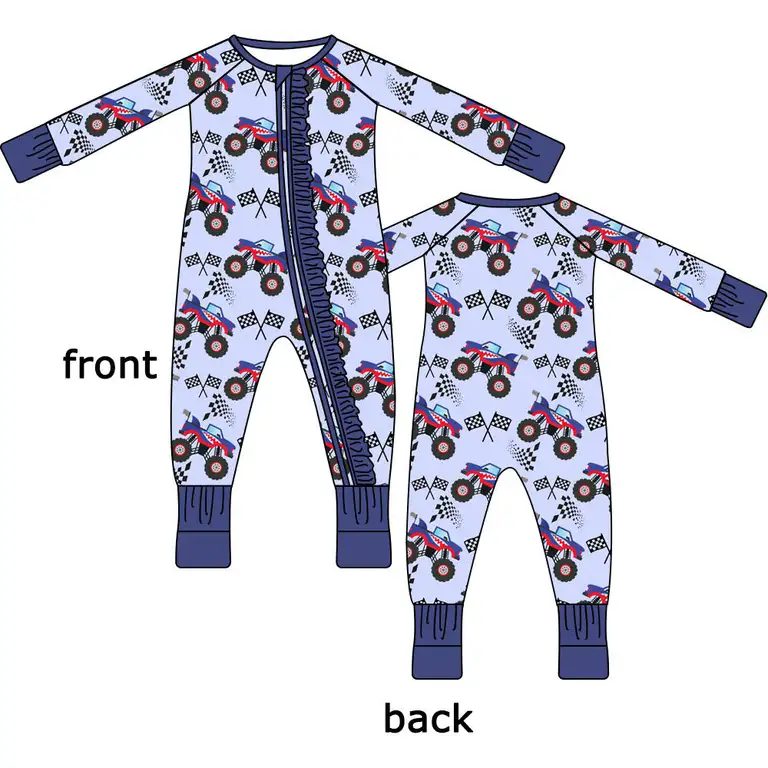
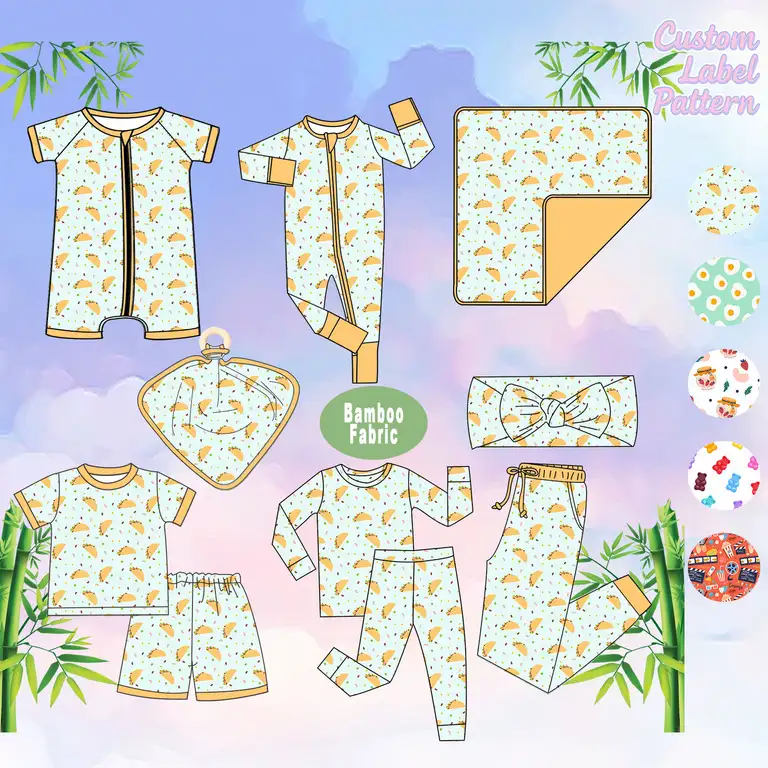
Direct Bamboo Viscose Baby Rompers Wholesale Leading OEM
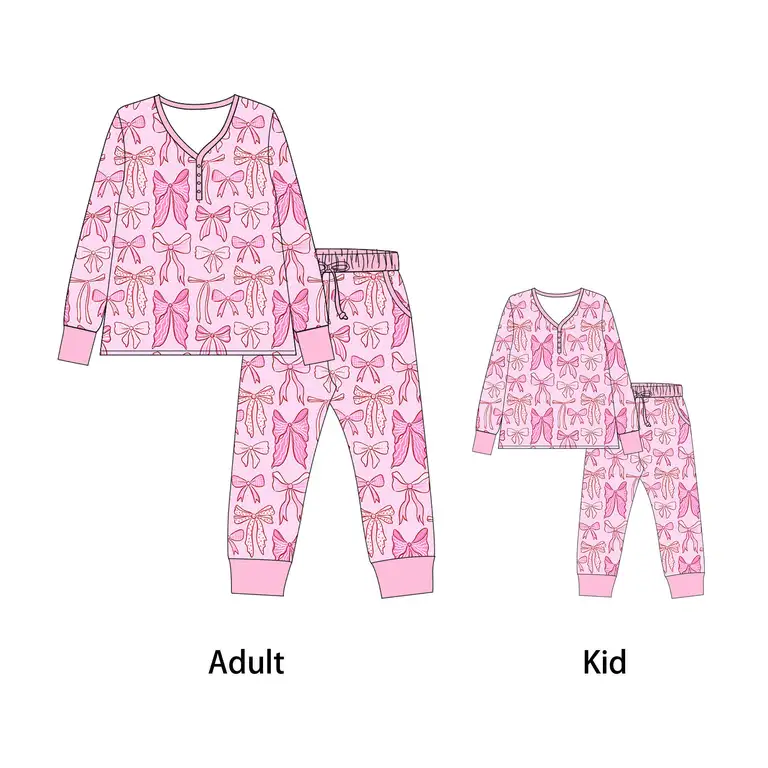
When manufacturing or sourcing Bamboo Viscose Baby Rompers for the U.S. market, compliance with the Consumer Product Safety Improvement Act (CPSIA) is non-negotiable. This guide provides a detailed technical roadmap, ensuring the safety, testing, and legal adherence of Bamboo Viscose Baby Rompers and Bamboo Viscose Baby Rompers OEM Custom Design products.

CPSIA Compliance for Bamboo Viscose Baby Rompers: Key Requirements
All Bamboo Viscose Baby Rompers entering the U.S. must adhere to mandatory CPSIA regulations. These include provisions related to lead content, phthalates, flammability, and children's product certifications. Manufacturers of Bamboo Viscose Baby Rompers OEM Custom Design should ensure rigorous traceability across their supply chain to guarantee safety. Below are critical points to examine:
- Lead Content: CPSIA mandates that the total lead content in any component of Bamboo Viscose Baby Rompers must not exceed 100 ppm. Materials such as snaps, zippers, or decorative embellishments can pose a risk. Ensure they are sourced from qualified vendors with extensive ISO 9001 certifications.
- Phthalates: If the Bamboo Viscose Baby Rompers feature plasticized trims or coatings, laboratories should confirm that restricted phthalates such as DEHP and DBP are below 0.1%. Testing should precisely cover finished samples, including batch lot verifications.
- Flammability: Fabric classified as plain surface under 16 CFR Part 1610 must demonstrate compliance with the acceptable burn rate for textiles. Ensure that all Bamboo Viscose Baby Rompers meet Class 1 Standards. For Bamboo Viscose Baby Rompers OEM Custom Design, documentation should itemize material risks for confirmation.
Importance of Certification and CPCs
To legally distribute Bamboo Viscose Baby Rompers in the retail sector, a Children’s Product Certificate (CPC) is mandatory. This applies to both private label distributors and Bamboo Viscose Baby Rompers OEM Custom Design sources. Certifications should exclusively reference third-party testing laboratories accredited by the CPSC. It’s critical that batch testing be conducted under consistent parameters to avoid sample deviation in dimensional standards.
- Ensure that every shipment of Bamboo Viscose Baby Rompers includes documentation evidencing third-party testing compliance with CPSIA regulations.
- Bamboo Viscose Baby Rompers OEM Custom Design facilities must retain meticulous recordkeeping of all CPCs for a minimum of five years, accompanied by precise SKU rationalization data for each product variant.
Pull-Test Standards for Bamboo Viscose Baby Rompers
The mechanical integrity of attachments in Bamboo Viscose Baby Rompers can represent a significant safety liability if not tested. Buttons, fasteners, snaps, or appliqués must be securely anchored to avoid detachment during use, reducing the risk of choking hazards in infants and toddlers. Refer to ASTM F963 and ISO 8124 standards, which emphasize stringent mechanical safety for children’s products.
- Test Parameters: Conduct a pull force resistance test capable of simulating a minimum force of 15 pounds (approximately 68 Newtons) on all snap fasteners and buttons affixed to Bamboo Viscose Baby Rompers. This ensures secure functionality under reasonable use scenarios.
- Bamboo Viscose Baby Rompers OEM Custom Design: Specified trims used in custom orders must provide adequate certification proving passing results for breakage resistance and detachment likelihood.
Mechanical testing must follow strict procedures to avoid variability due to operator error. Use precision shock-load clamp devices to maintain consistency when working with Bamboo Viscose Baby Rompers.
Sourcing and Legal Liability Concerns for Bamboo Viscose Baby Rompers
Sourcing from tier-1 suppliers for Bamboo Viscose Baby Rompers is critical to mitigating legal risks under CPSIA. Key factors to evaluate during the sourcing process include the following:
- Verify the manufacturing facility's compliance with social responsibility frameworks such as WRAP (Worldwide Responsible Accredited Production), ensuring ethical production of Bamboo Viscose Baby Rompers OEM Custom Design.
- Mandate full traceability of bamboo viscose material, including certifications such as OEKO-TEX and FSC, to validate sustainability and absence of hazardous substances.
- Conduct independent audits for all production facilities involved in the creation of Bamboo Viscose Baby Rompers. Ensure findings are shared with importing stakeholders.
To safeguard against liability, create legally enforceable supplier agreements mandating continuous CPSIA standards compliance. Incorporate penalties for delivering non-conforming shipments of Bamboo Viscose Baby Rompers or contributing to a recall situation.
Labeling and Tracking of Bamboo Viscose Baby Rompers
CPSIA mandates effective labeling procedures for children’s products, requiring traceability to the production batch and supporting tracking systems. For Bamboo Viscose Baby Rompers, this includes:
- Permanent tracking labels identifying the manufacturer’s location, production date, and a production serial or batch number as required by CPSIA Section 103.
- Implement RFID capabilities or digital database solutions for efficient tracking of all distributed Bamboo Viscose Baby Rompers. This step is vital, particularly for large-scale Bamboo Viscose Baby Rompers OEM Custom Design orders subject to high turnover.
- Proper care labels in compliance with FTC’s Care Labeling Rule, specifying washing instructions unique to bamboo viscose material.
Uniformity in labeling across SKUs minimizes brand reputation risks while accelerating troubleshoot processes during a recall event.
Choking Hazards and Design Evaluation for Bamboo Viscose Baby Rompers
Design is a critical factor in ensuring product safety. Infant apparel, such as Bamboo Viscose Baby Rompers, must eliminate choking hazards through robust design processes.
- Replace plastic adornments with embroidered details or laser-engraved icons for decorative embellishment in Bamboo Viscose Baby Rompers OEM Custom Design orders.
- Ensure all snap fasteners undergo torque and tensile strength testing compliant with prescribed pull-test standards.
- Conduct anthropometric assessments with test mannequins to test the fitting structure specific to age-grade sizing of Bamboo Viscose Baby Rompers.
Custom designs require heightened scrutiny for element stability, such as thread-lock enforcement using lockstitch precision to eliminate premature failure.
Flammability and Fiber Composition Testing for Bamboo Viscose Baby Rompers
Fabric testing is another mandatory checkpoint in ensuring product safety. As Bamboo Viscose Baby Rompers are designed for intimate contact with children’s sensitive skin, they must comply with flammability standards as well as content verification laws under 16 CFR 1610 and Federal Trade Commission (FTC) regulations on textile products, respectively.
- Conduct burn tests to ensure that the bamboo-derived fibers meet the criteria for Class 1 textiles.
- Ensure fiber labeling is accurate. False claims, such as purely natural or entirely bamboo content, can lead to FTC action. For Bamboo Viscose Baby Rompers OEM Custom Design, laboratory testing must confirm cellulose content and any process involving synthetic additions.
It’s vital to engage with testing labs accredited for direct flammability assessments specific to children's sleepwear, as Bamboo Viscose Baby Rompers must meet restricted burn spread times under ASTM D6413 guidelines.
| Target Manufacturing Metric | Kids Bamboo Pajamas Character |
| Core Wholesale Metric | Bamboo Pajamas Kids Super Power Girls |
| Lead Time | 15 Days |
| Quality Audit | TUV |
| Eco Index | 97% Certified |
| Base Composition | Bamboo 361nd Gen |
Penalties for Non-Compliance
Manufacturers and distributors of Bamboo Viscose Baby Rompers must meticulously comply with CPSIA provisions to avoid severe penalties. The U.S. Consumer Product Safety Commission issues penalties for non-compliance that can amount to millions of dollars. Infractions for Bamboo Viscose Baby Rompers OEM Custom Design labeled with misleading certifications or sub-par test reports will attract brand reputational fallout as well as legal liabilities.
- Initiate batch code assessments before any dispatch to ensure conformity of Bamboo Viscose Baby Rompers. Non-compliant lots must be pulled before entering the distribution cycle to avoid post-production incidents.
- Engage a product liability attorney to draft risk mitigation protocols for your brand’s Bamboo Viscose Baby Rompers line.
Conclusion Points to Retain for Bamboo Viscose Baby Rompers
Focus effectively spans design safety, material compliance, supply chain integrity, and certification rigidity. Investing in robust safety and compliance measures for Bamboo Viscose Baby Rompers necessitates diligence across all operational layers. From pull tests to material testing, ensure uniformity, rigorous quality standards, and lawful adherence for even the most complex orders such as Bamboo Viscose Baby Rompers OEM Custom Design.