Custom Baby Romper Supplier
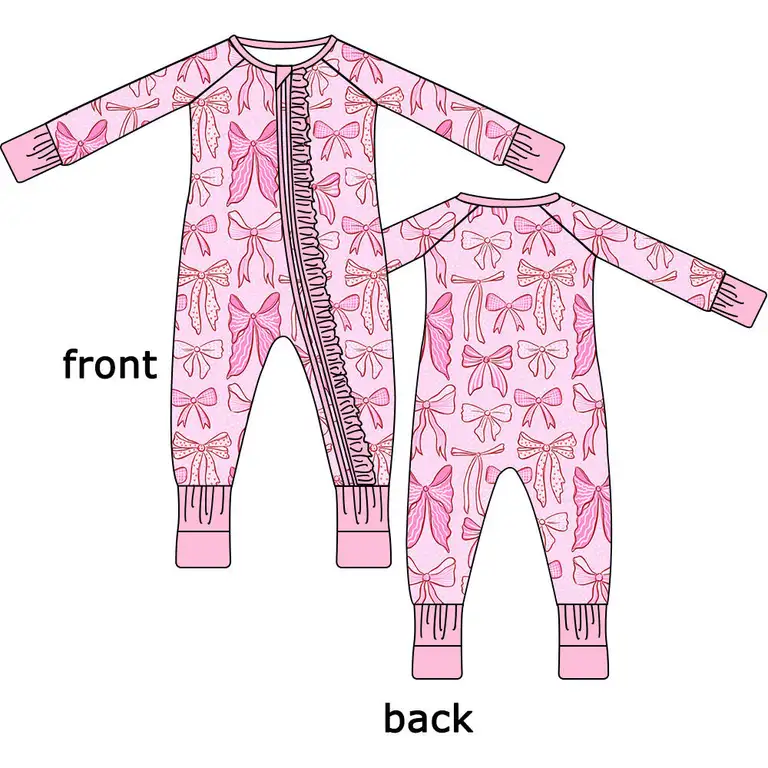
Baby rompers have become a staple in infant fashion, owing to their practicality, comfort, and adorable design. These one-piece garments are designed to make dressing babies simpler while providing easy access for diaper changes. Although the concept of rompers might seem straightforward, creating a romper involves a blend of engineering, design, and material science that is often overlooked.
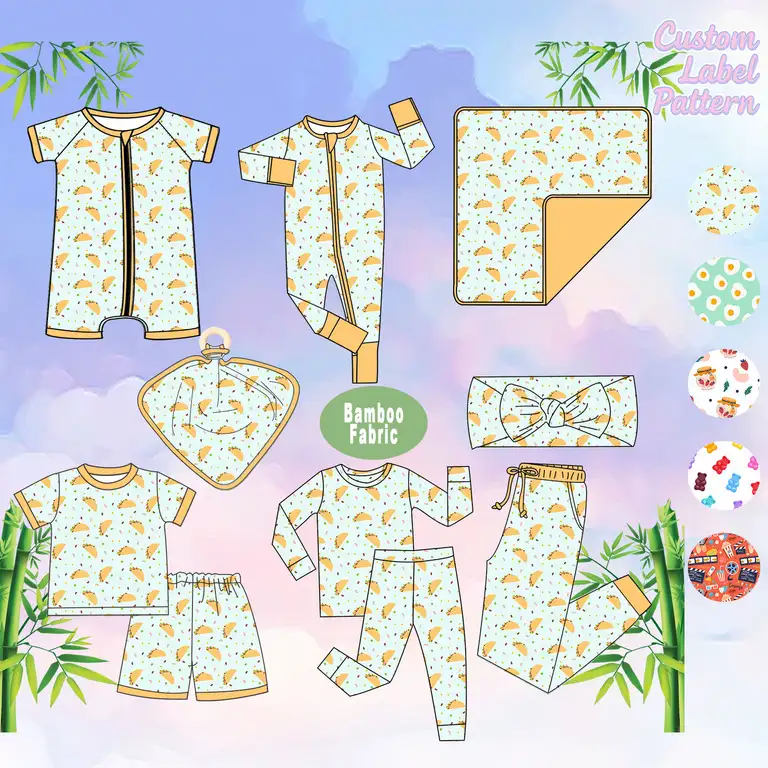
At its core, a baby romper is typically constructed from soft, breathable materials that prioritize the delicate skin of infants. The choice of fabric is crucial, with options like cotton, bamboo, and modal being popular among engineers and designers. Cotton is celebrated for its softness and breathability, making it an ideal candidate for regulating temperature and moisture. Engineers must ensure that the fabric chosen is hypoallergenic and durable, capable of withstanding numerous washes without losing quality.
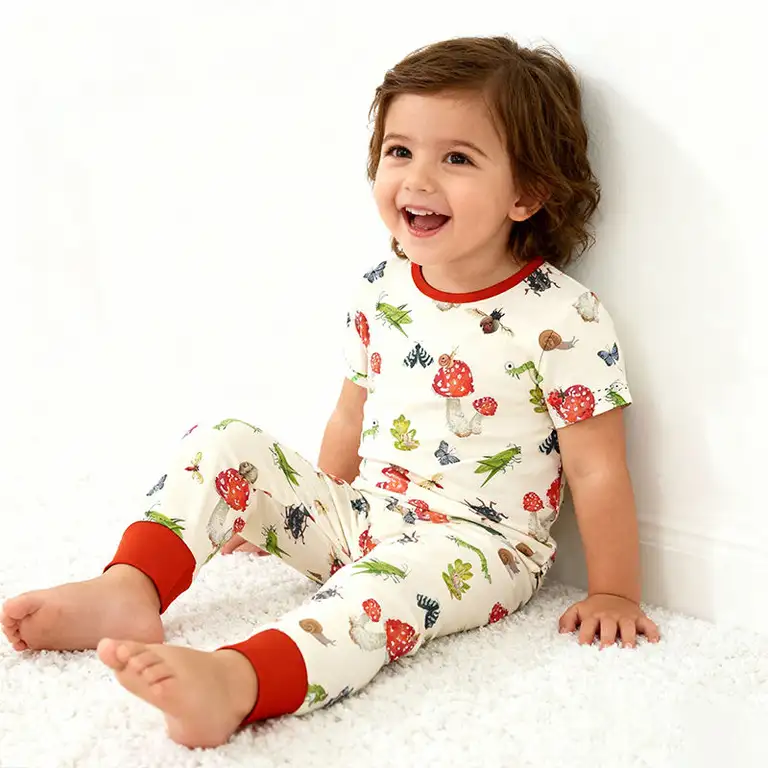
The design phase of a baby romper is where engineering meets creativity. Rompers often come in a variety of styles, such as long sleeves, short sleeves, or sleeveless, each serving a practical purpose based on the season or occasion. Engineers and designers collaborate to ensure that the garment’s construction allows for free movement, an essential factor since babies are constantly wiggling and crawling. The design must accommodate growth, providing enough room for babies to stretch without feeling constricted.
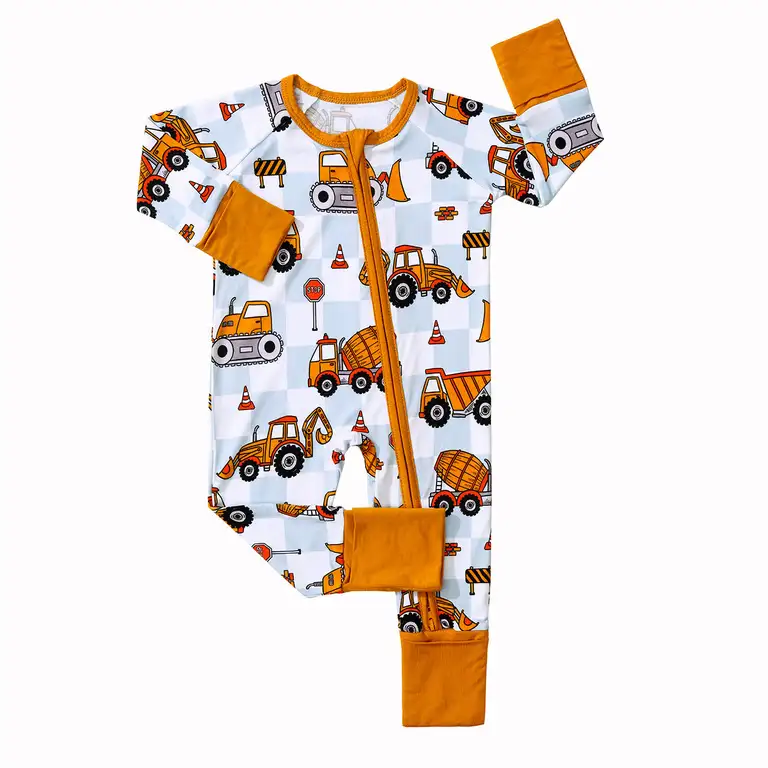
Another key engineering aspect is the closure mechanism of a romper. Since frequent diaper changes are a daily ritual, rompers are equipped with snaps, zippers, or buttons. Snaps are a popular choice because they are easy to handle and pose less risk of skin irritation or injury compared to zippers. Engineers must evaluate the placement of these closures to ensure they are intuitive and efficient, minimizing the frustration of changing a baby.
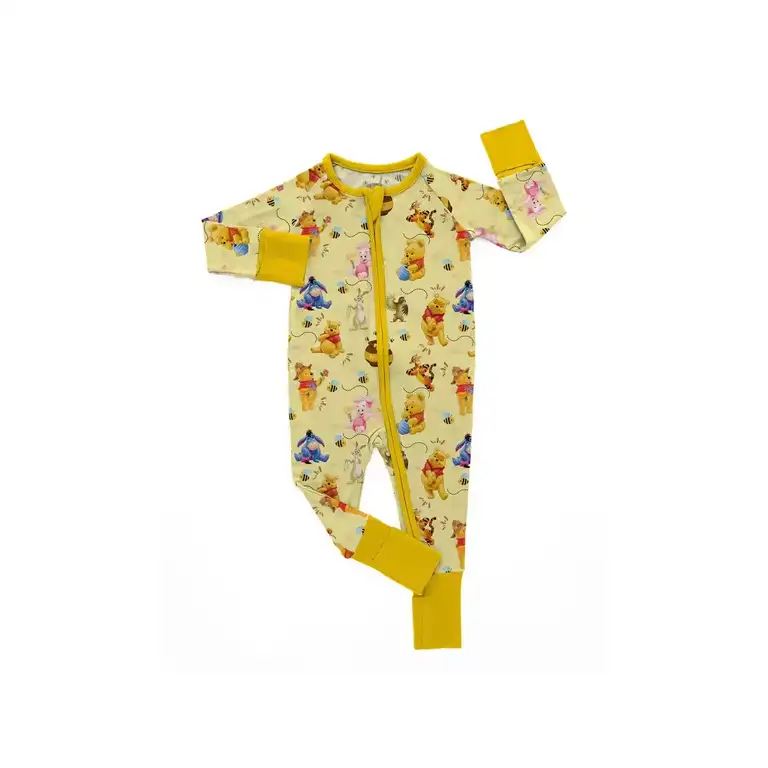
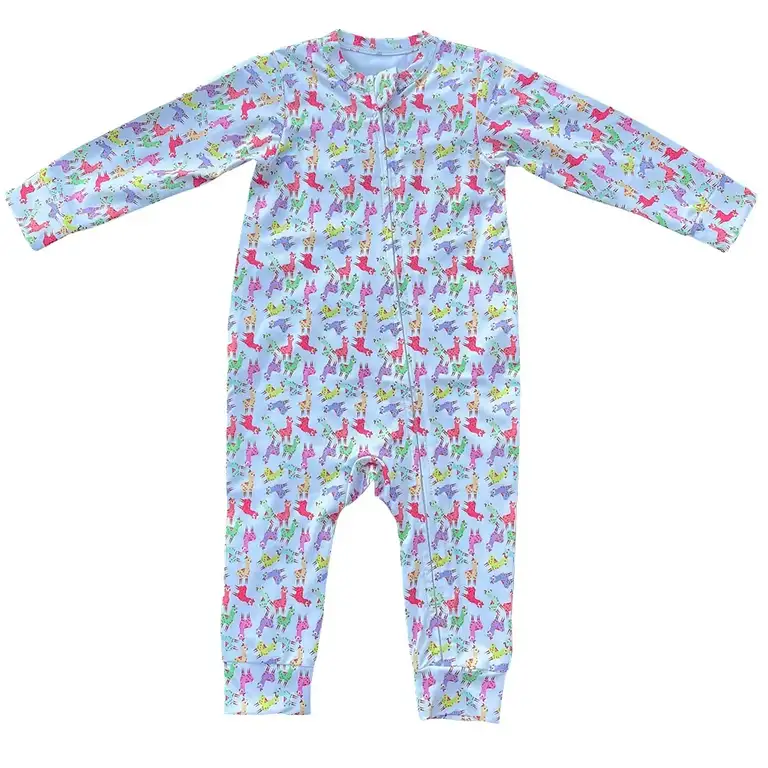
Beyond physical design, the visual appeal of a baby romper plays a significant role in its engineering process. With patterns ranging from playful animals to geometric shapes, the choice of aesthetics is limitless. The dyeing process is crucial here; engineers must ensure that the dyes used are non-toxic and resistant to fading, thereby maintaining the romper’s vibrancy over time. Printing technologies are employed to ensure that the fabric can hold intricate designs without compromising comfort.
Sustainability has become an increasingly important factor in the engineering of baby rompers. Environmentally conscious brands opt for organic fabrics and ethical manufacturing processes. Engineers are tasked with balancing sustainability with performance, ensuring rompers are both eco-friendly and functional. This involves sourcing materials that are produced with minimal environmental impact and employing manufacturing processes that reduce carbon footprint.
Engineers also focus on the safety standards required for baby rompers. This involves rigorous testing and quality control measures to ensure that no small parts present choking hazards and that the materials do not contain harmful chemicals. Safety certifications must be obtained, assuring parents that the romper adheres to national and international safety guidelines.
The engineering behind baby rompers extends to packaging solutions as well. With an emphasis on reducing waste, companies are exploring biodegradable packaging options and efficient shipping methods to lessen environmental impact. Engineers work closely with production teams to ensure that packaging protects the garment during transit while aligning with sustainability goals.

Advancements in technology have further refined the engineering processes involved in creating baby rompers. 3D modeling allows for precision in pattern making, while digital simulations help forecast how different fabrics will behave under various conditions. This technology enables engineers to preemptively solve design issues before the production phase, streamlining efficiency and reducing waste.
Collaboration between engineers, designers, and manufacturers is essential for innovation in baby romper design. Collectively, they work towards developing new fabrics, enhancing sustainability, and improving safety and comfort standards. This team effort results in products that accommodate both practical needs and aesthetic desires, ensuring that each baby romper is a harmonious blend of form and function.
, the engineering and design of baby rompers represent a fascinating intersection of practical necessity and artistic creativity. From fabric selection to closure mechanisms, each element is thoughtfully considered to ensure the end product is safe, comfortable, and stylish for babies. With continuous advancements in technology and a growing emphasis on sustainability, the future of baby rompers looks promising, paving the way for even more innovative designs that cater to the diverse needs of parents and their little ones.
| Fabric | Bamboo/Cotton |
| Compliance | CPC Certified |
| MOQ | 500pcs |