Custom 0-3 Month Baby Rompers Supplier
Introduction to 0-3 Month Baby Rompers
Baby rompers are an essential piece of clothing in every infant's wardrobe, especially during the critical first three months. These garments are designed not only for practicality but also for comfort and ease of dressing. As an engineer with an interest in product design and development, understanding the intricacies of baby rompers can provide insights into how different materials and designs impact both functionality and comfort in infant clothing.
Design Considerations
Designing rompers for newborns requires careful consideration of various factors. First and foremost is the material used. Cotton is often the preferred choice due to its softness, breathability, and hypoallergenic properties. For babies with especially sensitive skin, organic cotton or bamboo fiber can be excellent alternatives. The goal is to ensure the fabric is gentle against the baby's skin while providing adequate ventilation to prevent overheating.
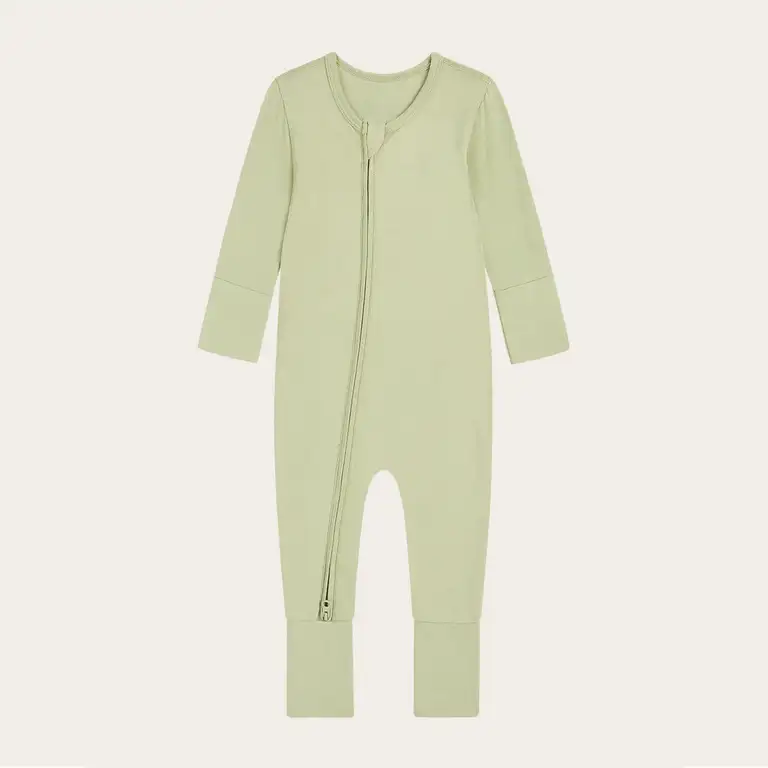
Another significant design consideration is the garment's fit and accessibility. Rompers are typically designed with convenient snaps or zippers that allow parents to dress and undress their baby quickly. The placement of these fasteners is crucial; they should be positioned for ease of use without compromising the baby's comfort. Engineers must ensure the hardware is securely attached and does not pose a choking hazard while enabling efficient diaper changes.
Safety Features
Safety is paramount when designing products for infants. Baby rompers need to adhere to strict safety standards to prevent any risk of suffocation or entanglement. All components, including snaps, buttons, and zippers, should be thoroughly tested to ensure they do not detach easily. In addition, avoiding drawstrings or ties that could potentially wrap around a baby’s neck is essential. The use of flame-retardant materials is also recommended to safeguard against fire hazards.
Ergonomics and Comfort
Comfort is integral to the design of a romper intended for newborns. The garment should facilitate freedom of movement, allowing babies to kick and stretch without restriction. Seams and labels should be positioned to minimize friction against the skin, preventing any discomfort or irritation. Engineers must also consider the temperature regulation properties of the fabric, ensuring that it provides warmth while remaining breathable.
Durability and Maintenance
Given the frequent changes required for a newborn, durability is a vital factor in the design of baby rompers. The garment should withstand repeated washings without losing shape, softness, or structural integrity. Engineers often explore various finishing processes to enhance the longevity of the fabric. Easy maintenance is another essential attribute; rompers should be washer-friendly and resistant to stains and shrinking.
Aesthetic Appeal
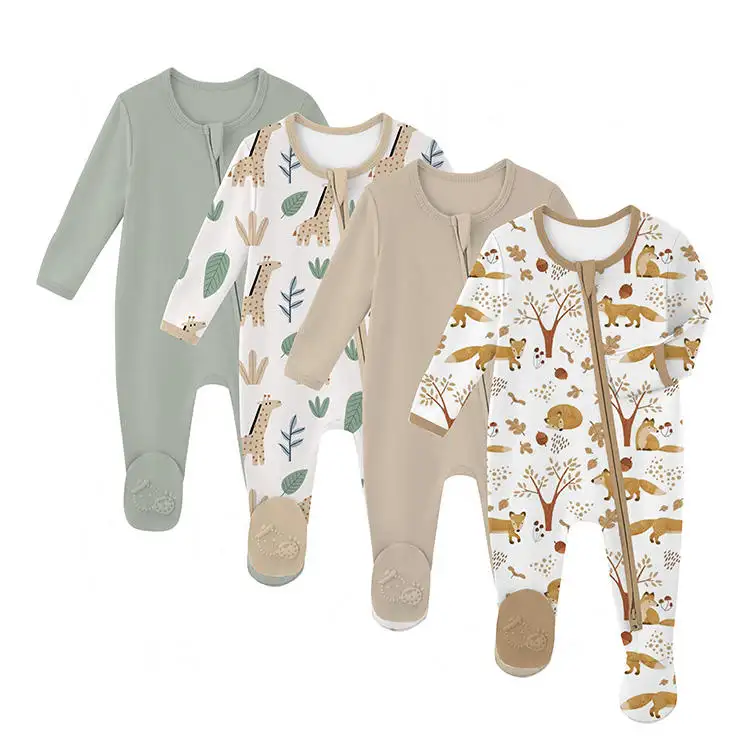
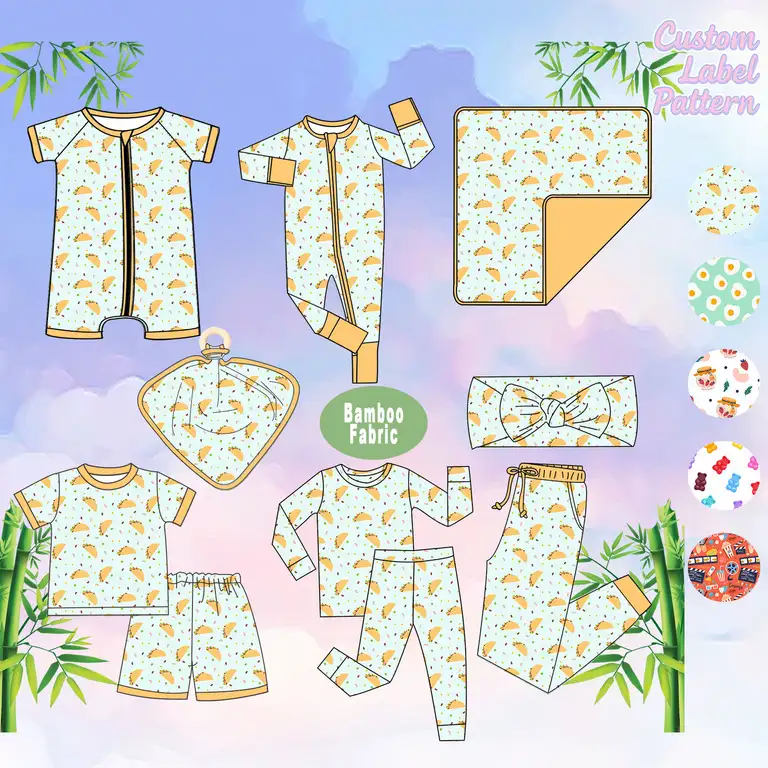
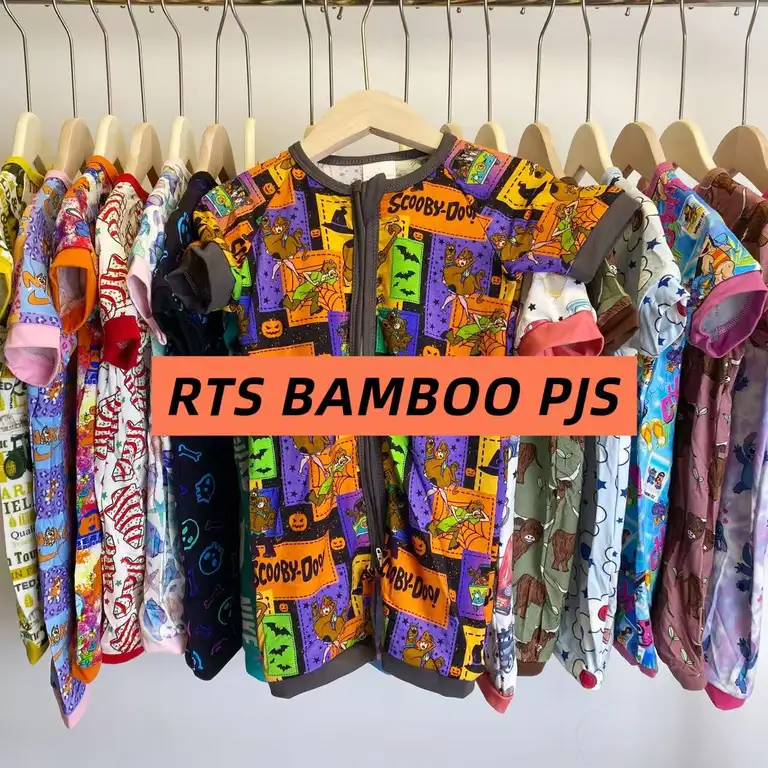
Aesthetics also play a role in the design of baby rompers. While functionality and safety are priorities, visual elements cannot be overlooked as they often influence purchasing decisions. Designers may incorporate playful colors, patterns, and prints to appeal to both the baby and the parents. However, it’s important to balance aesthetics with clarity and simplicity, ensuring any decorative elements do not interfere with the garment’s safety and comfort.
Market Trends
Market trends for baby rompers showcase a growing interest in sustainable and organic products. With an increasing focus on environmental responsibility, many manufacturers are shifting towards eco-friendly materials and ethical production practices. Engineers working in this field must stay abreast of these developments to innovate solutions that align with consumer demands and regulatory requirements.
In summary, designing 0-3 month baby rompers involves a multidisciplinary approach incorporating material science, ergonomics, safety standards, and aesthetics. Engineers have the opportunity to influence the market by developing products that prioritize infant comfort and safety while meeting the practical needs of caregivers. As trends evolve, the role of sustainability and innovation will likely become even more pronounced in this industry, shaping the future of baby clothing design.
| Fabric | Bamboo/Cotton |
| Compliance | CPSIA Compliant |
| MOQ | 500pcs |