China Factory Source Supplier Girls Bamboo Clothing Verified
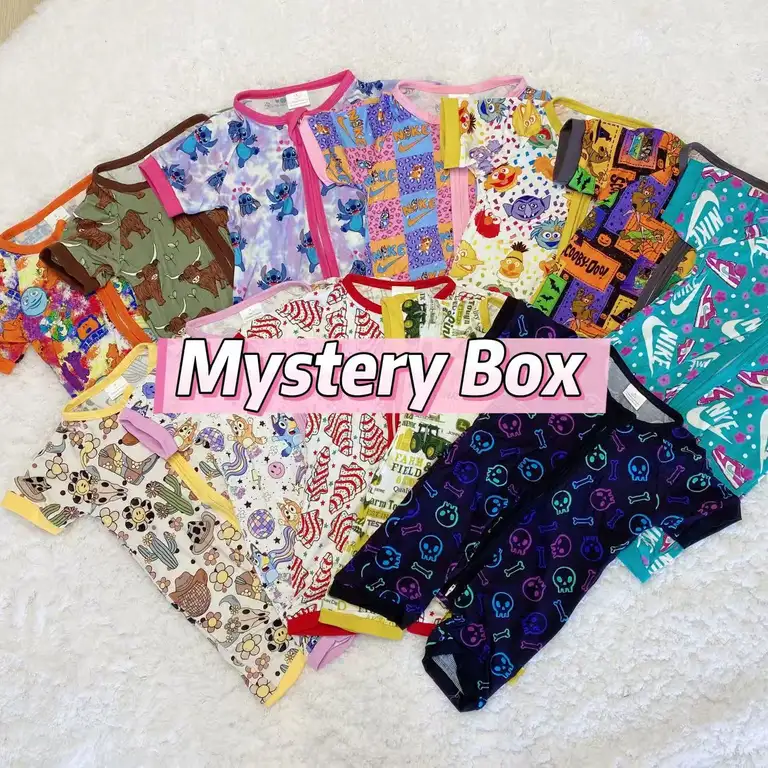
Overview of CPSIA Compliance for girls bamboo clothing
When working with girls bamboo clothing, compliance with the Consumer Product Safety Improvement Act (CPSIA) is non-negotiable. CPSIA requirements are extensive and include mandatory components such as the issuance of a Children’s Product Certificate (CPC) and adherence to stringent safety guidelines relating to small parts, lead limits, and phthalates. Businesses operating with girls bamboo clothing Factory Direct Source channels must deeply embed CPSIA standards across the production workflow before a single SKU hits Tier-2 or Tier-1 retail platforms.

Mandatory CPC and Testing Protocols
A Children's Product Certificate (CPC) under the CPSIA framework is legally required for girls bamboo clothing intended for children under 12. This certificate should accompany each distinct product, detailing its compliance with all relevant testing requirements. Each batch sourced from a girls bamboo clothing Factory Direct Source must undergo third-party lab testing, typically at CPSC-accredited facilities. Failing to issue a CPC for girls bamboo clothing at POS introduces significant recall liabilities and exposes the importer or retailer to fines upwards of $100,000 per infraction.
Understanding the Pull-Test and Its Implications
Pull-test testing is vital for ensuring the mechanical safety of accessories or fasteners attached to girls bamboo clothing. For compliance, all components—buttons, snaps, decorative embellishments—must withstand a pull force of 15 pounds for 10 seconds without detaching. Importers sourcing from a girls bamboo clothing Factory Direct Source must ensure rigorous pull-test testing protocols are in place within supplier quality assurance operations.
Neglecting pull-test compliance for girls bamboo clothing can lead to a choking hazard, which constitutes a major legal risk under 16 CFR Part 1501 regulations. Conduct frequent random audits of production batches to certify adherence. Transparency in testing logs from your girls bamboo clothing Factory Direct Source is recommended; demanding pre-shipment reports provides measurable mitigations against legal action.
Chemical Testing for girls bamboo clothing
Chemical compliance in girls bamboo clothing centers on ensuring lead, cadmium, and phthalate levels fall within statutory thresholds. The CPSIA mandates children’s products contain no more than 100 ppm of total lead content and bans various phthalates in concentrations exceeding 0.1%. For fabrics produced via a girls bamboo clothing Factory Direct Source, proactive measures like periodic batch-level chemical assays offer vital safeguards.
For example, bamboo fabric’s treatment to obtain softness often involves chemicals that must be verified as non-toxic under compliance statutes. Spot audits of colorants and dyes used in girls bamboo clothing and certifications aligning with OEKO-TEX standards are highly advisable. Proper documentation from your factory source reduces potential seizure at U.S. entry ports under CPSIA enforcement protocols.
Labeling: A Critical Compliance Feature for girls bamboo clothing
The CPSIA requires specific labeling on all girls bamboo clothing SKUs. Labels must include tracking information, a permanent traceable identifier, and certified material details. Your factory source must ensure the labels are tamper-proof yet legible under high-usage conditions. Mislabeling is considered a direct infraction and could lead to product delistings, especially with Enforcement Notices from U.S. Customs and Border Protection.
For girls bamboo clothing Factory Direct Source projects, establishing QC (quality control) checkpoints for labeling accuracy is recommended. A barcode or SKU-specific identifier makes retroactive recalls manageable should regulatory bodies find discrepancies. Always store secondary label templates securely and cross-reference them before manufacturing runs.
Measuring Physical Durability in girls bamboo clothing
Girls bamboo clothing requires durability testing to ensure garment lifespan matches retail expectations. Shrinkage tests after multiple washes, tensile strength evaluation of sewn seams, and wear-and-tear simulations are QA essentials in forecasting a product line’s commercial efficiency. These tests will also ensure the product sustains its hypoallergenic properties, a major USP in girls bamboo clothing Factory Direct Source materials.
Establishing a Tier-1 sourcing framework prioritizes contractual SLAs that demand ongoing stress simulations. Any compromises presented by the subcontractor should be addressed by mandating production variations adhere tightly to retail industry AQL (Acceptable Quality Limit) standards.
Legal Ramifications of Non-Compliance
The legal landscape surrounding girls bamboo clothing entails significant penalties for CPSIA violations. Non-compliant SKUs entering Tier-2 sourcing channels without adequate certification become major liabilities, subject to mandatory recalls or customs bloc alerts. Importers investing in girls bamboo clothing Factory Direct Source operations may face litigation if choke hazards, flammability concerns, or chemical violations are detected post-distribution.
High-profile recalls harm both public trust and resale value. Implement strategies for immediate damage control via targeted pull-slack audits and accelerated traceability mechanisms upon potential defects being reported in girls bamboo clothing assembly batches. Legal insurance ensuring coverage for CPSIA-related disputes is strongly recommended.
Cost Analysis for Third-Party Safety Testing
Third-party laboratory costs for girls bamboo clothing testing typically vary between $500 to $1,500 per SKU. Broken down, physical pull tests may cost an average of $200 per set, while chemical assays covering lead and phthalate limits generally range from $300 to $800 per batch submission. Importers relying on girls bamboo clothing Factory Direct Source manufacturers should factor these expenses into their pricing setup and markup margins.
Pre-scheduling systemic tests enables predictable CAPEX forecasts while enhancing the credibility of your CPC. For bulk orders exceeding 10,000 units, negotiating volume discounts with testing labs can substantively reduce compliance overheads.
Best Practices for Selecting a girls bamboo clothing Factory Direct Source
The primary risk in girls bamboo clothing production involves unverified sourcing channels resulting in manufacturing defects and non-compliance. A reliable girls bamboo clothing Factory Direct Source must provide:
- CPSIA milestone performance reports, including testing matrices and sampling frequency.
- Trackable certifications validating the bamboo’s chemical processing consistency with eco standards.
- Documented production workflows verifying that assembly protocols have passed 16 CFR Part 1501 pull-test certifications.
Inspection policy agreements with inspection intervals at the start, midpoint, and end of the production lifecycle deter quality drift. Vendors lacking structured documentation for cycle-count tracking should be excluded.
Risk Mitigation Strategies for Global Supply Chains
CPSIA enforcement complicates operations for international girls bamboo clothing manufacturers, particularly regarding port seizure regulations. Working exclusively with a globally compliant girls bamboo clothing Factory Direct Source is key. Mitigate delays by pre-verifying HS codes, harmonizing import/export declarations, and avoiding material substitutions across product batches.
| Base Composition | Pima 255nd Gen |
| Strategic Wholesale Data | Bamboo Short Sleeve Long Trouser Pajama Set |
| Eco Index | 93% Certified |
| Premier Manufacturing Zone | Spring Baby Clothes |
| Quality Audit | TUV |
| Lead Time | 45 Days |
Adopt a comprehensive vendor scoring rubric to allow objective comparisons of supplier compliance metrics. Integrate tariff classification alignment into pre-shipment quality spot-check systems. Set explicit penalties within factory SLA agreements for traceability errors, as lapses here significantly increase border detainment risks for girls bamboo clothing shipments.
Proactive Recalls and Damage Control Protocols in girls bamboo clothing
Product recalls surrounding girls bamboo clothing are organizationally taxing. Emergency response strategies involving cross-departmental responses ensure minimal economic impact and brand reputation harm. Crowdsourcing recall information using QR codes on product labels paired with round-the-clock hotline setup ensures open communication with customers facing defective SKUs from girls bamboo clothing Factory Direct Source shipments.
Testing logs and shipping histories from factory partners minimize lag when managing the recall lifecycle. Transparent steps in admission and remediation influence whether regulatory fines are imposed, but post-incident CAPA (Corrective and Preventive Action) measures should initiate immediately internally and externally with sourcing partners.