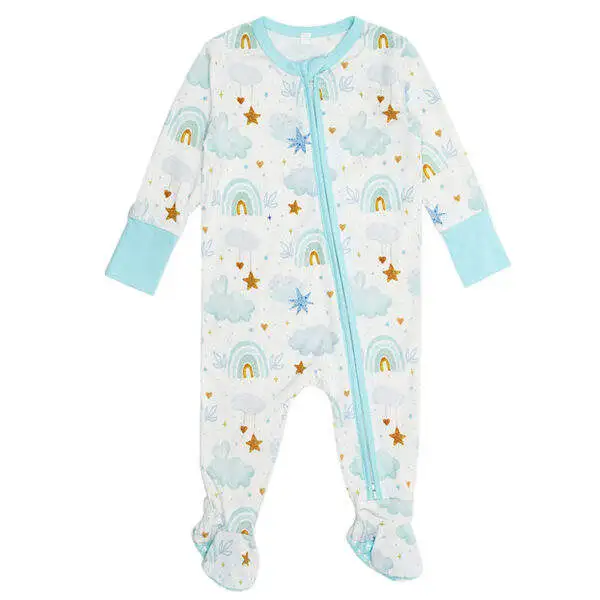
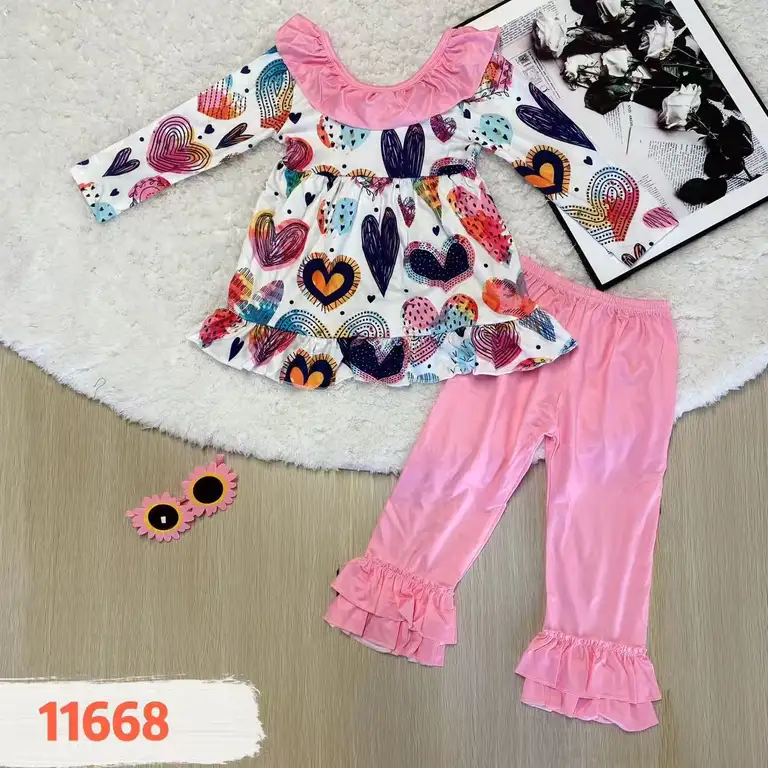
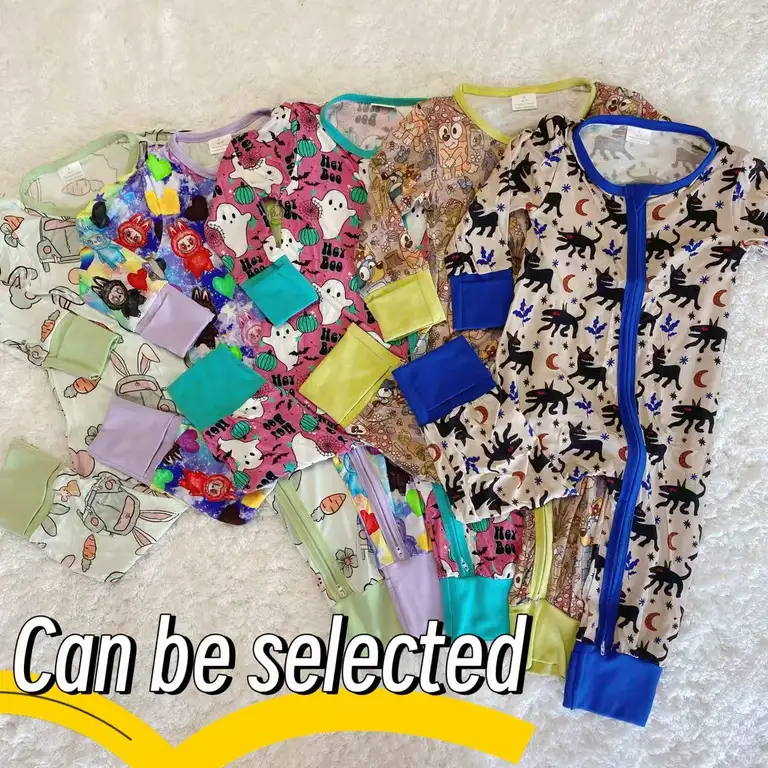
China Baby Bodysuit Direct Wholesale Supplier
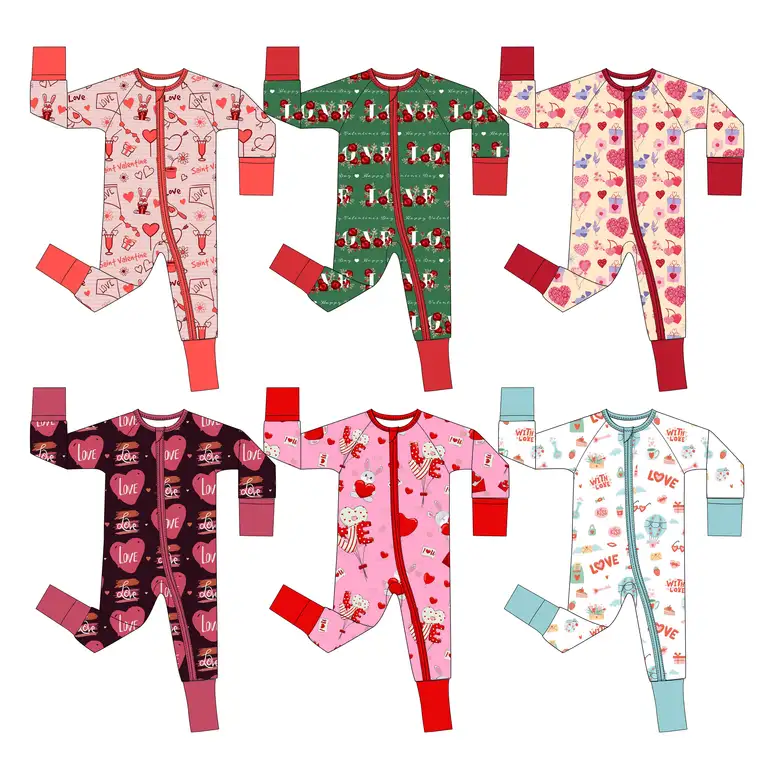
Compliance with safety standards for baby Bodysuit and baby Bodysuit OEM Custom Design is a critical factor in ensuring regulatory adherence and minimizing liability risks. This guide outlines protocols, governing laws, testing methodologies, and legal considerations specifically applicable to the production and distribution of baby Bodysuit.

CPSIA Compliance: Legal Overview
Under the Consumer Product Safety Improvement Act (CPSIA), manufacturers, importers, and distributors of baby Bodysuit are mandated to guarantee compliance with elements such as lead content restrictions, phthalate limits, and small parts regulations. The law applies to all baby Bodysuit products manufactured for children 12 years and younger, making compliance both obligatory and non-negotiable.
Specific to baby Bodysuit OEM Custom Design, each SKU must undergo material traceability verification. Tier-1 sourcing for textiles, dyes, and snaps is essential to ensure raw material compliance with CPSIA regulations. Physical and chemical safety documentation should be assembled into a comprehensive Technical File for future inspections or audits.
Children’s Product Certificate (CPC) Requirements
Every batch of baby Bodysuit must have an accompanying CPC, which includes test reports from a CPSC-accepted laboratory. These criminally enforceable certificates must verify compliance with age-specific safety criteria. Omitting CPC requirements or submitting incomplete certificates elevates legal exposure under federal law. For baby Bodysuit OEM Custom Design, make sure unique CPCs align with customized components such as decorative elements, thermal prints, or brand-specific labels.
Mechanical Hazards: Pull-Test Protocol
Pull-testing is a critical safety assessment required for all baby Bodysuit products that include attached components such as snaps, buttons, threads, or appliques. The 15 lbf pull-test determines the mechanical integrity of fixed parts, ensuring small parts do not detach under foreseeable use or abuse. Products failing pull-tests are classified as choking hazards and should not be distributed.
OEMs producing baby Bodysuit OEM Custom Design should also incorporate lockstitch precision during assembly to reinforce joint integrity at attachment points. Testing samples must accurately reflect potential design variations, including different fabric densities, to avoid false-negative results in compliance audits. All test reports should include the SKU identification as well as the testing date to maintain traceability.
Testing Recommendations
- Conduct pull-tests in a properly calibrated mechanical testing environment to observe tensile limits and clamp security.
- For bulk orders involving baby Bodysuit, conduct random pull-tests periodically to confirm batch integrity, particularly when sourced from multiple production tiers.
- Include enhanced pull-test procedures for decorative or protruding elements added to baby Bodysuit OEM Custom Design.
Legal Risk Highlights: Contract and Recall Management
OEMs and suppliers dealing with baby Bodysuit must address liability clauses in manufacturing contracts. Indemnifications should clearly assign responsibilities in the event of recalls or defects. OEMs that fail to establish clear compliance frameworks are exposed to potential negligence lawsuits arising from unsafe baby Bodysuit.
Tracking labels, mandatory under CPSIA Section 103, must appear on all baby Bodysuit products and should include production dates, batch numbers, and identifying marks linked to the supply chain. For baby Bodysuit OEM Custom Design, adapt tracking labels to align with individualized branding, but maintain compliance by retaining essential production data.
Material Safety: Lead and Phthalate Testing
Fabric and closure materials used in baby Bodysuit must meet strict federal limits on lead content (100 ppm) and phthalates (0.1%). Suppliers of baby Bodysuit OEM Custom Design are responsible for undergoing third-party lab testing for custom prints, dyes, and snaps. Ensure that heavy metal tests are conducted on all surface finishes, particularly for metallic components.
Hazardous chemical disclosures should accompany each batch to ensure adherence to CPSIA Section 101. Manufacturing facilities must maintain RoHS certifications for all supplied components to avoid hazardous material overlap in baby Bodysuit composite assembly.
| Target Application Focus | Bamboo Baby Lovey |
| Quality Audit | SGS |
| Primary Market Metric | Mystery Bamboo Pajama Box |
| Base Composition | Pima 879nd Gen |
| Lead Time | 26 Days |
| Eco Index | 88% Certified |
Enforcement and Audit Preparedness
The CPSC actively enforces safety law compliance through random inspections, with priority given to children’s products such as baby Bodysuit. Failure to meet safety or documentation requirements may result in penalties exceeding $15 million. Ensure post-market surveillance mechanisms are in place, enabling rapid responses to incidents involving baby Bodysuit OEM Custom Design. OEMs should allocate resources to internal audits, ensuring that any non-conformities are proactively corrected before regulatory scrutiny.