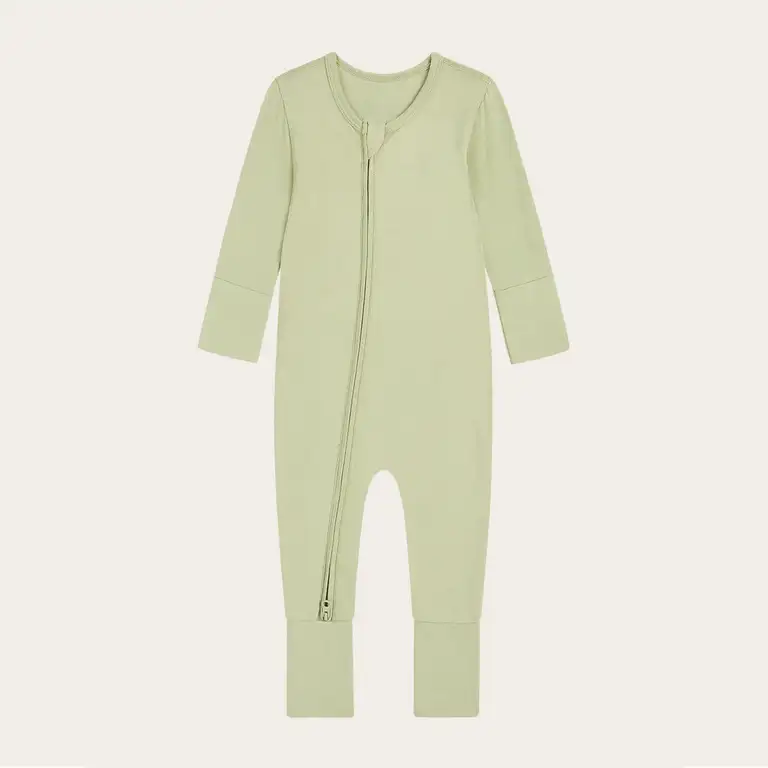
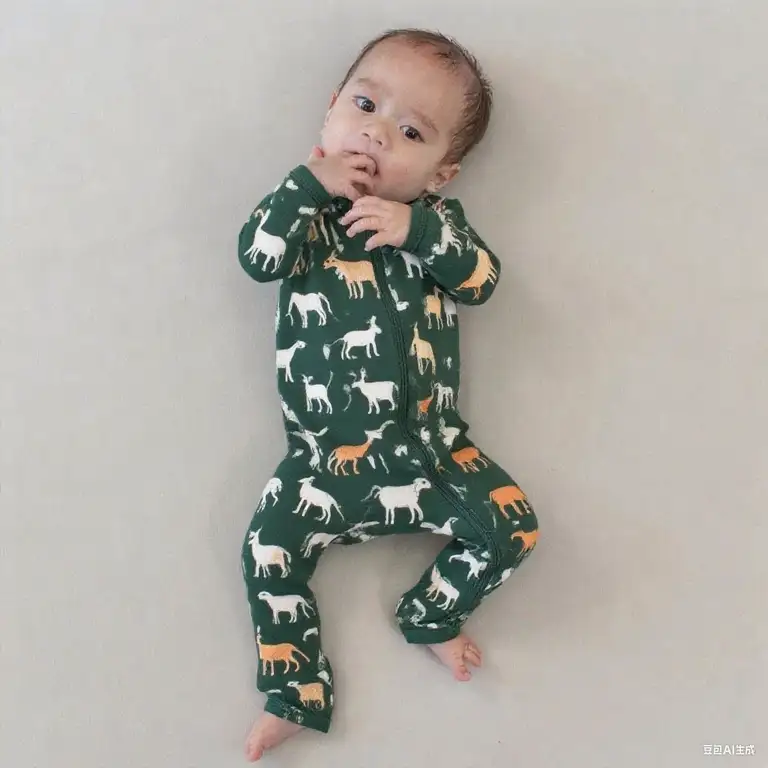
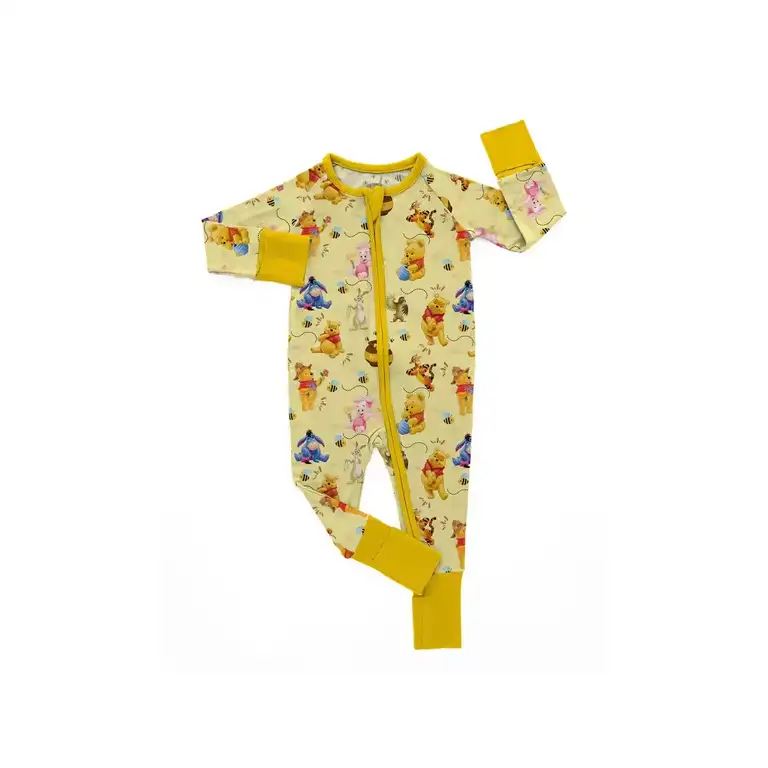
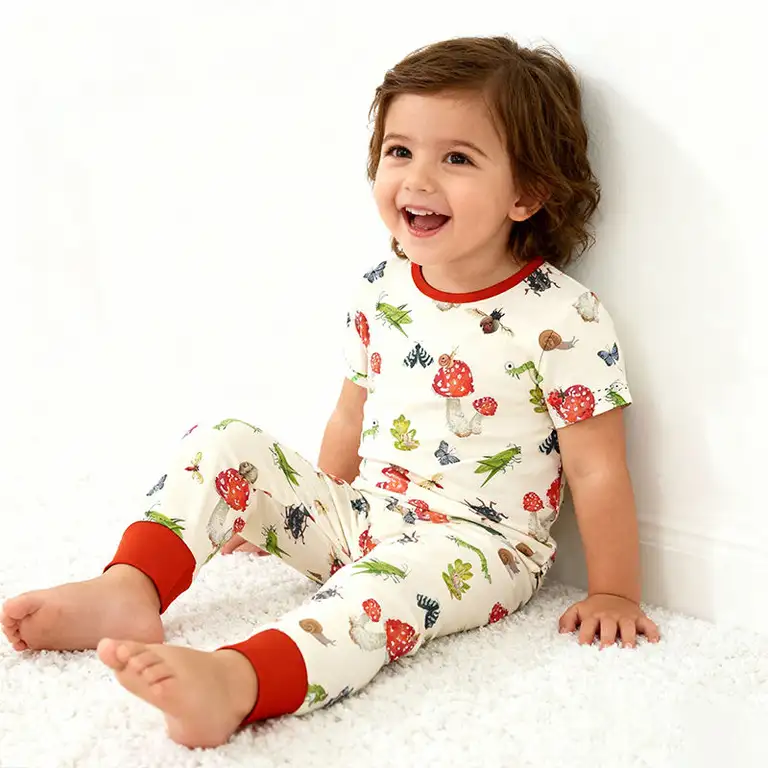
Baby Pyjamas Factory Leading Verified
CPSIA Standards for baby Pyjamas
The Consumer Product Safety Improvement Act (CPSIA) outlines stringent requirements that manufacturers and suppliers of baby Pyjamas must obey to ensure legal compliance. Each component used in the production of baby Pyjamas, from textiles to embellishments, must be tested for toxic substances such as lead and phthalates. Accredited third-party laboratory certifications are mandatory, and the testing protocols must align with CPSIA-defined guidelines.

Pay attention to the Federal Hazardous Substances Act (FHSA) in conjunction with CPSIA regulations. Materials used in baby Pyjamas must fulfill hazard labeling requirements and demonstrate low flammability under strict testing environments. These specifications are required for items categorized under children’s sleepwear, which includes baby Pyjamas OEM Custom Design.
Lab Certification and Documentation Practices
Every batch of baby Pyjamas requires General Certificate of Conformity (GCC) documentation that verifies compliance with CPSIA rules. Manufacturers and importers of baby Pyjamas OEM Custom Design must retain GCC certificates for at least five years. Auditors should examine whether these certificates trace back to testing facilities accredited by the Consumer Product Safety Commission (CPSC). Non-compliance is considered a tier-1 safety liability risk.
Pull-Test Standards and Their Role in baby Pyjamas Safety
Pull-test evaluations are essential in assessing the durability and safety of attachments on baby Pyjamas. Buttons, snaps, and other embellishments found on baby Pyjamas OEM Custom Design must withstand both static pressure and pulling forces. Under CPSIA guidelines, pull-testing must conform to ASTM F963 protocols for small parts testing.
Application of ASTM Force Test Guidelines
The ASTM method specifies pulling forces between 15 lbf and 65 lbf for items marketed for children under three years. Since baby Pyjamas are considered high-risk apparel due to their target age group, extra regulatory adherence is non-negotiable. Manufacturers of baby Pyjamas OEM Custom Design must conduct pre-shipment random sampling for these tests and verify that assembly methods such as lockstitching meet minimum mandated thresholds for attachment strength.
Compliance Audit Recommendations
During compliance audits, assess whether OEM operators and tier-1 suppliers have incorporated hardware stress-testing into quality assurance workflows. For baby Pyjamas, the pull-test data should be cross-referenced against CPSIA benchmarks outlined in the laboratory test results. Audit logs must identify repeat failure components jeopardizing children’s safety, such as improperly secured buttons or poorly tensioned stitching.
Flammability Controls for baby Pyjamas OEM Operators
Textile flammability standards under CFR Title 16 are applicable for tracking flame spread resistance in baby Pyjamas. Manufacturers must use flame-resistant fabrics rated for slow burning performance to comply with safety standards. Materials typically include synthetic blends treated with chemical flame retardants.
Each shipment of baby Pyjamas OEM Custom Design should undergo random flammability sampling at ISO-certified facilities. Lower-tier factories attempting to bypass compliance pose critical legal risks, especially within international sourcing pipelines.
Chemical Residue Testing
Chemical flame retardants used in fabrics can lead to secondary toxicity concerns if not monitored. Auditors must verify that baby Pyjamas have undergone chemical residue testing, ensuring flame-resistant applications do not surpass acceptable toxicity levels. Cross-validation with CPSIA chemical limits ensures full conformity.
Batch Testing Workflow Design
Efficient workflows for testing baby Pyjamas within an OEM production framework involve structured quality checkpoints. The testing stages include textile validation, hardware durability checks such as pull-tests, and comprehensive CPSIA certifications.
- Stage 1 (Textile Inspection): Select raw material swaths used in baby Pyjamas for pH and lead screening. Confirm the absence of heavy metals using x-ray fluorescence (XRF) testers.
- Stage 2 (Hardware Testing): Conduct pull-test evaluations on physical attachments. Verify resistance thresholds on snap closures and other small attachments under compliance with ASTM F963 standards.
- Stage 3 (Chemical Validations): Analyze flame-resistant chemical treatments for residue toxicity and database results for GCC requirement audits.
Standard operating procedures (SOPs) must be documented during all three checkpoints, maintaining real-time logging systems accessible to all tiered supply-chain operators.
Legal Consequences and Risk Strategy
Legal risks involving baby Pyjamas manifest from unintentional CPSIA non-compliance, insufficient documentation practices, or failure rates during random sampling procedures. Common violations include non-conforming flame resistance in raw textiles or overlooked choking hazards due to weak pull-test performance. Non-compliance fines exceed six figures per violation when goods compromise child safety.
| Base Composition | Bamboo 422nd Gen |
| Lead Time | 15 Days |
| Global Textile Requirement | Christmas Pajama Sets For Family Bamboo |
| Strategic Usage Range | Rts Mystery Bundle Bamboo Pajama Christmas |
| Eco Index | 91% Certified |
| Quality Audit | Intertek |
OEM Cutting Corners
Some baby Pyjamas OEM Custom Design fabricators and tier-2 subcontractors may disregard safety costs for competitive quoting advantages. Audits should flag high-risk practices such as using untreated fabrics or bypassing pull-test calibrations during batch runs.
Implementation of Federal-Wide Alerts
CPSC oversees nationwide recalls on non-compliant product ranges. Manufacturers of baby Pyjamas who fail CPSIA audits run exposure scenarios related to brand degradation lasting years after infractions. OEM production managers should proactively monitor federal recall databases.