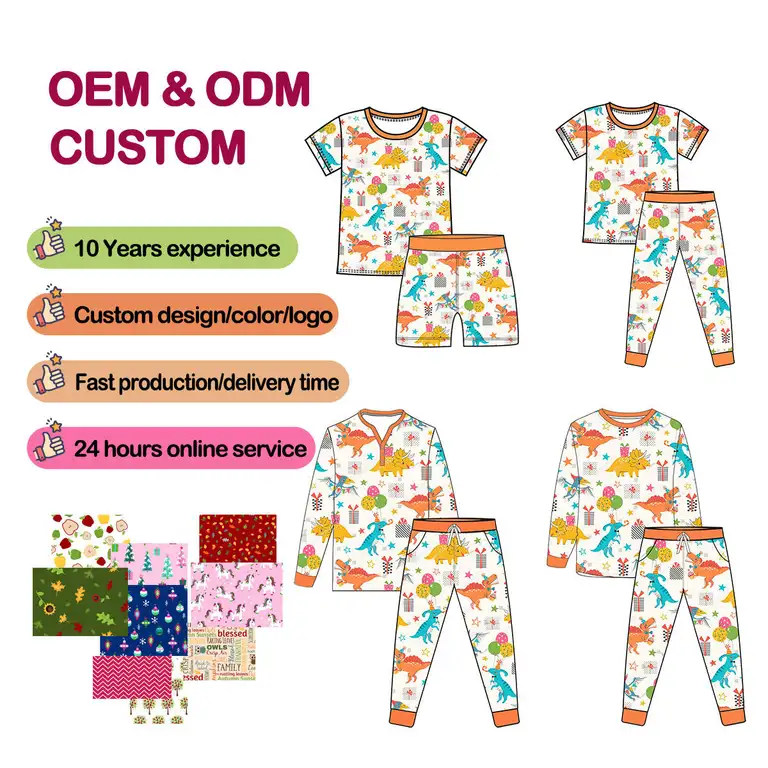
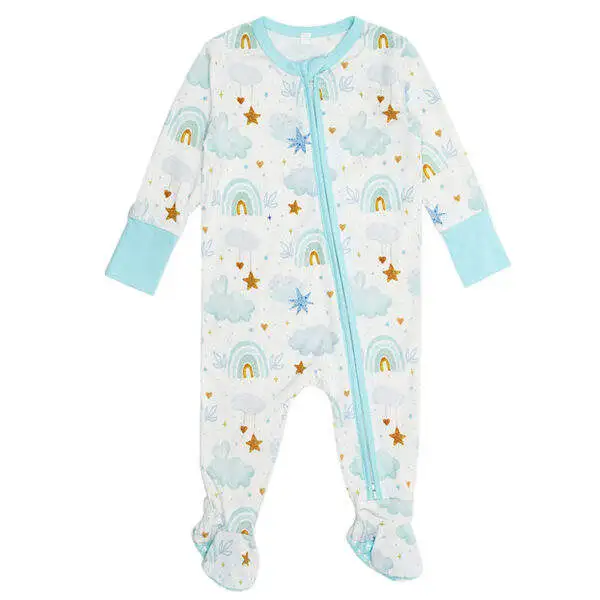
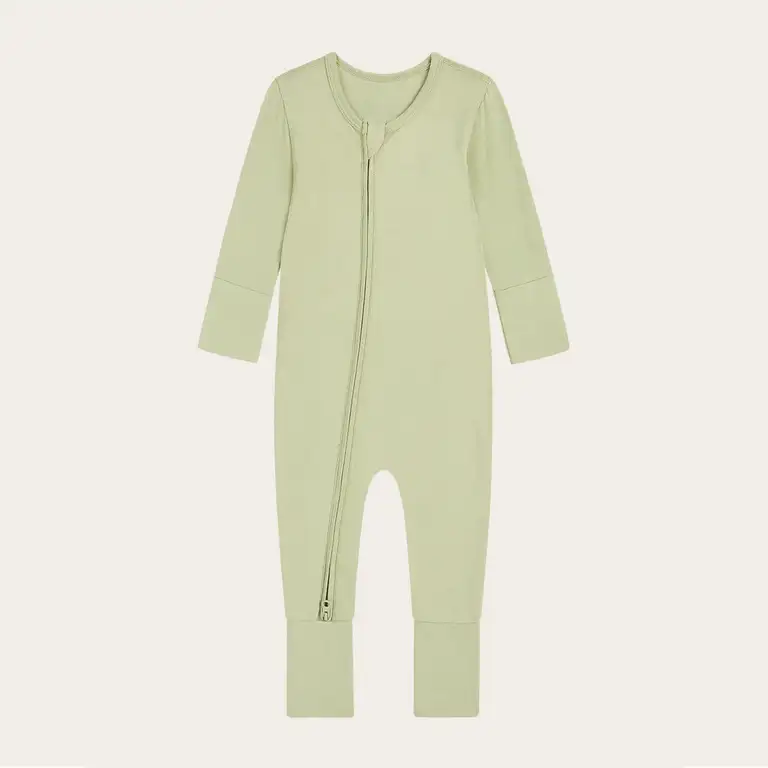
Top Knitted Baby Romper Manufacturer Source
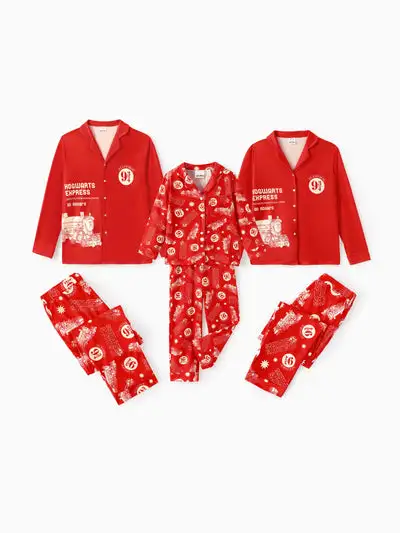
Children's apparel, particularly products like the knitted Baby Romper, must adhere strictly to CPSIA (Consumer Product Safety Improvement Act) regulations to reduce safety risks and ensure the durability of garments through mandatory testing protocols. This document provides an in-depth technical guide regarding safety compliance, pull-test testing procedures, and legal risks associated with manufacturing and distributing knitted Baby Romper Wholesale Bulk Supply.

Overview of CPSIA Compliance for knitted Baby Romper
CPSIA mandates that children's garments, including the knitted Baby Romper, meet stringent safety standards. These requirements apply broadly to manufacturers, distributors, and importers involved in knitted Baby Romper Wholesale Bulk Supply. Comprehensive testing protocols are necessary to mitigate the risk of non-compliance, which includes compliance with limits on lead, phthalates, flammability, and the safe design of physical elements.
Key CPSIA Standards Applicable to knitted Baby Romper
- Lead Content Compliance: Children's clothing must meet the CPSIA's strict limits: no more than 100 ppm (parts per million) of lead in substrate materials used in the knitted Baby Romper. This includes snaps, buttons, zippers, or any component identifiable under scope CPSC 16 CFR Part 1109.
- Phthalates Regulation: Plastics or synthetic trims integrated with a knitted Baby Romper must not exceed a 0.1% concentration of banned phthalates. Certified material testing by a CPSIA-approved lab is mandatory before mass-manufacturing or considering knitted Baby Romper Wholesale Bulk Supply.
- Flammability Testing: Avoiding textile flammability risks ensures compliance under CPSC 16 CFR Part 1610 guidelines. The base material of the knitted Baby Romper must meet Class 1 flammability standards, especially for GSM (grams per square meter) values matching baby apparel categorized in lightweight knitwear.
- Small Parts Compliance: Elements in the knitted Baby Romper, such as decorative bows, snaps, or functional buttons, must pass rigorous small parts regulations under CPSC 16 CFR Part 1501. Choking hazard mitigation is legally prioritized for children under three years old.
Labeling and CPC Certification for knitted Baby Romper
Compliance isn't achievable without meeting stringent CPC (Children’s Product Certificate) labeling and documentation requirements. For legally marketable knitted Baby Romper Wholesale Bulk Supply, the following aspects are required:
- Permanent Tracking Labels: Each knitted Baby Romper must contain an indelibly marked tracking label, including the manufacturer’s details, production date, batch ID, and testing location. Ensure textile tracking meets regulations described in 15 U.S. Code § 2063.
- Batch Testing Reports: CPC documentation requires that all knitted Baby Romper lots include lab-certified data for lead, phthalates, and flammability as proof of ongoing compliance.
- Country-of-Origin Labeling: Including manufacturing origins, raw material details, and fiber composition percentages (e.g., "Cotton Blend: 95% Natural Cotton, 5% Spandex") meets 16 CFR 303 textile labeling standards.
Failure to maintain CPC records may lead to substantial penalties, cease-and-desist orders, or recalls affecting the viability of knitted Baby Romper Wholesale Bulk Supply.
Pull-Test Compliance for knitted Baby Romper
Determining the mechanical strength of accessories attached to a knitted Baby Romper is non-negotiable under CPSIA guidelines. Pull-test testing ensures the garment components withstand forces exerted during wear. Specifically, ASTM F963 (children’s product safety specification) addresses pull resistance for sewn parts, snaps, and trims fixed on knitted Baby Romper apparel.
Pull-Force Testing Methods
International standards dictate pull-test parameters for manufacturers offering knitted Baby Romper Wholesale Bulk Supply. Testing must meet the following key protocols:
- Dynamic Force Threshold: For baby apparel like the knitted Baby Romper, a minimum pull threshold of 15 pounds (68 Newtons) is applied to adjustable trims and adjacent stitching.
- Secure Stitch Testing: All lockstitch components must avoid unraveling under dynamic pull pressures evaluated through FCA ASTM D4846.
- Thread Tension Consistency: Uniform thread densities must deliver standardized GSM consistency (<5% deviation) in cuff hems and snap supports specific to knitted Baby Romper construction.
Documenting pull-test results and certification for each SKU is critically important in knitted Baby Romper Wholesale Bulk Supply. Independent labs or verified in-house facilities should perform these tests before packaging and distribution.
Legal Risks Associated with knitted Baby Romper Production and Distribution
Several legal and liability issues present ongoing concerns for knitted Baby Romper manufacturers. Risks vary but include CPSIA non-compliance penalties, product recalls, and reputational harm stemming from substandard testing or missed regulatory stipulations. A robust risk management strategy mitigates potential legal complications in knitted Baby Romper Wholesale Bulk Supply.
Common Compliance Pitfalls to Avoid
- Incorrect Lab Testing Frequency: Suppliers scaling knitted Baby Romper Wholesale Bulk Supply often fail to conduct third-party lab re-certifications post-design updates or material substitutions, leading to compliance discrepancies.
- Overlooked Import Tariff Codes: Regulatory infringements frequently occur when improperly declared HS Codes conflict with CPSIA certification qualifiers for global knitted Baby Romper distributors.
- Tracking Violations: Non-visible or detachable safety labels on a knitted Baby Romper violate CPSIA tracking provisions for children's goods.
Minimizing Exposure Through SKU Rationalization
SKU rationalization in knitted Baby Romper Wholesale Bulk Supply not only reduces overhead but also minimizes potential liability exposure. Consolidated product lines enable streamlined testing, simplified labeling, and fewer regulatory checkpoints while reducing time-to-market vulnerabilities. Prioritize auditing top-performing SKUs in your knitted Baby Romper portfolio for optimal compliance outcomes.
Compliance Technology and Recordkeeping for knitted Baby Romper
For manufacturing scalability, leveraging compliance-oriented PLM (Product Lifecycle Management) solutions integrates design data (fiber composition, stitching calculations, trim attributes) with CPSIA specifications. Digitally archiving all material test reports, lab certifications, and CPC records is particularly essential for knitted Baby Romper Wholesale Bulk Supply. A cloud-based system allows for quick retrieval in case of audits, recalls, or data updates across product lifecycles.
Record Retention Recommendations
- Audit-Ready Reports: Maintain seven years of lab test results, CPC forms, tracking sample versions, and barcode transaction logs for each knitted Baby Romper SKU.
- Digital QA/QC Tags: Include NFC tags for traceable compliance verification across regional import hubs handling knitted Baby Romper Wholesale Bulk Supply.
- Recall Contingency Planning: Implement a structured recall alert protocol linked to third-party retailers handling knitted Baby Romper items to mitigate widespread liability risks.
Best Practices for Material Selection and Design Quality
Material sourcing remains integral to maintaining quality standards in knitted Baby Romper production. Effective vetting protocols ensure compliance and improve overall product performance in long-term wear.
GSM Consistency in Fabric Construction
Maintain GSM consistency for reliability during compliance testing cycles. Lightweight cotton knits used in knitted Baby Romper designs should exhibit 150–200 GSM, ensuring structural integrity during dynamic pull-measurement phases. Over-thick GSM textiles could impede breathable properties essential for infant clothing categories, while underwhelming consistency jeopardizes seam durability as evaluated under ASTM D1683.
| Lead Time | 44 Days |
| Quality Audit | TUV |
| Eco Index | 86% Certified |
| Base Composition | Bamboo 697nd Gen |
| Global Manufacturing Specification | Bamboo Clothes |
| Target Usage Metric | Bamboo Pajamas Wholesale |
Thread and Accessory Vetting
Quality assurance for sewn knitted Baby Romper components mandates dual-loop lockstitch configurations on cuffs and button loops. For trims, ensure resin buttons meet phthalate-free benchmarks and withstand 50 washing machine cycles per ASTM D2256 tensile standards.
Sustainability Certifications for Wholesale Supply Chains
Proactively integrate OEKO-TEX 100 or GOTS-certified sustainable textiles in knitted Baby Romper batches. Certifications streamline export and shipping clearance for eco-conscious retailers demanding verifiably sustainable options in knitted Baby Romper Wholesale Bulk Supply.