Toddler Clothes Factory Manufacturer Top
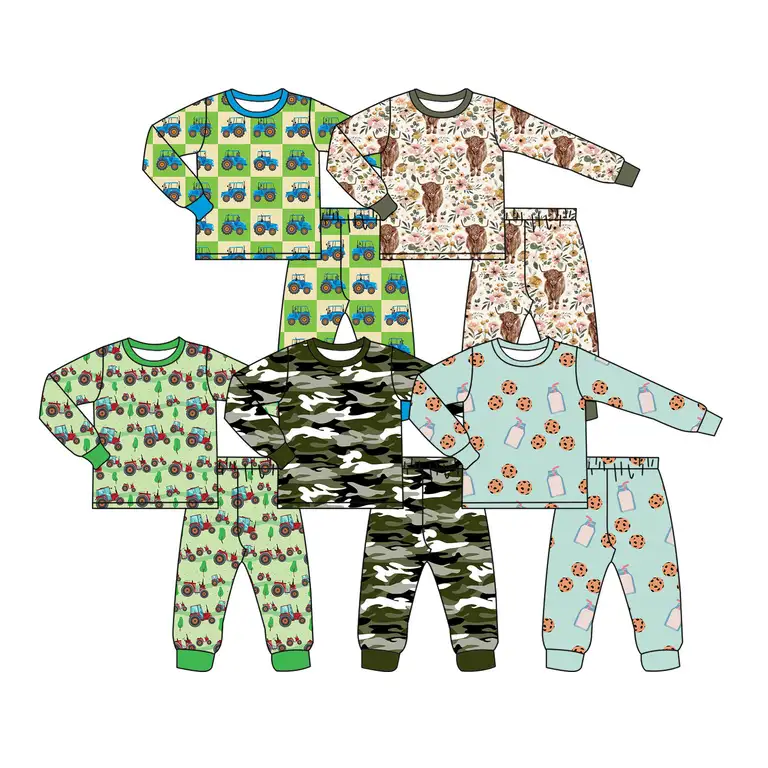
Manufacturing or distributing toddler Clothes, especially when leveraging toddler Clothes Factory Direct Source channels, demands precision in legal and safety adherence to avoid recalls, penalties, or reputational damage. The Children’s Product Safety Improvement Act (CPSIA) and Children’s Product Certificate (CPC) regulations outline stringent requirements, including material toxicity standards, small parts pull tests, and traceability protocols that must be rigorously followed. This guide dissects these requirements to alleviate compliance gaps within your production and sourcing strategies.

Mandatory Testing Requirements for Toddler Clothes
All toddler Clothes are classified as children's products by the Consumer Product Safety Commission (CPSC). Under CPSIA provisions, manufacturers must conduct third-party testing through CPSC-accredited laboratories. Critical areas of compliance include:
- Lead Content: The fabrics, buttons, zippers, snaps, and other fasteners in toddler Clothes must contain no more than 100 ppm (parts per million) of total lead. This applies to accessible and coated surfaces.
- Phthalates: Any plasticized elements must comply with CPSIA’s prohibitions against eight restricted phthalates found in children's products. This is critical when sourcing through toddler Clothes Factory Direct Source pipelines where materials may vary.
- Flammability Testing: Flammability standards specified in 16 CFR Part 1610 must align with clothing weight and weave requirements. Toddler outerwear such as sleepwear is subject to additional flammability resistance laws under 16 CFR Part 1615.
- Small Parts Testing: Pull tests on snaps, buttons, beads, or bows sewn onto toddler Clothes should withstand at least 15 pounds of force per CPSC 16 CFR 1500.51-53 to mitigate choking hazards.
Accurate documentation of passing test results from accredited test labs is necessary for issuance of a CPC and to insulate against any legal liabilities.
Pull-Test Safety Standards in Detail
The pull-test requirement ensures that small detachable parts from toddler Clothes do not present choking hazards. This testing protocol involves applying specific tensile force to components such as buttons, snaps, decorative rhinestones, or fasteners using a calibrated tension testing machine.
Key pull-test standards:
- Children's products marketed for toddlers (under 36 months) must withstand at least 15 pounds of tension applied in all directions.
- Testing must replicate “real-world” conditions where toddlers might tug at or chew on garments.
- Verify any accessories sourced from toddler Clothes Factory Direct Source suppliers, where production variances in adhesives or stitching methods might fail compliance investigations.
Document material integrity and resistance through both pre-production lab tests and in-line audit sampling to enforce ongoing compliance.
Labeling & Tracking Obligations for Toddler Clothes
Product labeling is one of the simplest yet most frequently overlooked compliance steps for toddler Clothes. CPSIA mandates the inclusion of specific tracking information to aid parents, testers, and regulators in identifying production origins in case of safety concerns or recalls.
Labeling elements required:
- Manufacturer or private-label distributor name.
- Production date and location for every batch or assembly line.
- Unique tracking codes that align with quality control documentation.
- Identification labels for toddler Clothes Factory Direct Source lots must identify the supplier, ensuring a paper trail that confirms conformance to Tier-1 sourcing principles.
Heat transfer labels, woven tags, or durable printed inserts often facilitate compliance here, but ensure all materials used for labels comply with lead and phthalate restrictions.
Managing Legal Risk via Thorough Documentation
The legal landscape surrounding toddler Clothes compliance is unforgiving. Significant penalties, including six-figure fines, civil lawsuits, and recalls, can result if proper compliance processes are not strictly followed. To lower legal exposure:
- Maintain Certificates of Compliance: Consolidate all CPCs and test reports within a dedicated database for all toddler Clothes product lines.
- Monitor Variation Among Suppliers: With toddler Clothes Factory Direct Source supply chains, it’s critical to conduct initial and subsequent batch testing, as material quality fluctuates batch to batch.
- Implement Internal Auditing Protocol: Annually schedule in-house reviews of documentation, including physical file backups to comply with CPSC inspection requirements.
Collaborating with reputable testing labs that already interface with CPSC-approved methodologies will streamline extensive document generation.
Bulk Shipping Protocols for Safe Material Handling
Sourcing from toddler Clothes Factory Direct Source channels also necessitates careful attention to shipping and handling protocols to circumvent contamination risks or alterations in product safety compliance.
Critical considerations for bulk shipping:
- Ensure sufficient padding and containment in cartons to protect product integrity during transit.
- Re-inspect goods on arrival for moisture exposure, mold signs, or material breakdown that may make garments non-compliant.
- Secure appropriate insurance coverage that extends to losses due to product compliance failures or material degradation during bulk transport.
Collaborating with seasoned freight forwarders accustomed to child-safe clothing shipments reduces downstream liabilities and ensures detailed chain-of-custody records.
CPSIA Enforcement in Toddler Clothes Recall Prevention
Recent CPSC enforcement actions underscore the high stakes in meeting the letter of CPSIA law. Toddler-focused apparel recalls often stem from seemingly minor oversights that cascade into hazardous conditions. For toddler Clothes manufacturers and toddler Clothes Factory Direct Source distributors, focus areas include:
- Inspect ALL “hardware” elements—zippers, metallic decorations, buttons—for both lead content and secure fastening.
- Track post-manufacture modifications initiated in retail—any tweaks (e.g., a retailer adding promotional plastic elements) must also comply with CPSIA testing protocols.
- Flag high-risk decorative patterns such as glitter motifs, which can degrade with friction or saliva exposure, posing ingestion risks.
To mitigate recall risks, implement live-action quality control checks during production stages rather than relying solely on post-factory pre-shipment audits.
| Target Application Field | Bamboo And Cotton Pajamas |
| Quality Audit | BV |
| Eco Index | 93% Certified |
| Elite Wholesale Range | Custom Bamboo Romper |
| Base Composition | GOTS Cotton 306nd Gen |
| Lead Time | 43 Days |
Sourcing Accountability for Toddler Clothes Factory Direct Source Pipelines
Partnering with toddler Clothes Factory Direct Source suppliers offers cost savings by reducing markup margins; however, this approach intensifies compliance oversight responsibilities. Ensure vendors adhere to these standards:
- Validate certifications from upstream raw material providers confirming adherence to CPSIA-declared safety limits.
- Engage in random unannounced factory visits to audit real-world safety practices, especially during active production windows.
- Secure third-party quality assurance checks at export points to ensure no material substitutions occurred post-factory phase.
Balancing cost-effectiveness with CPSIA-mandated risk prevention will depend on instituting robust sourcing agreements that penalize lapses in compliance benchmarks.