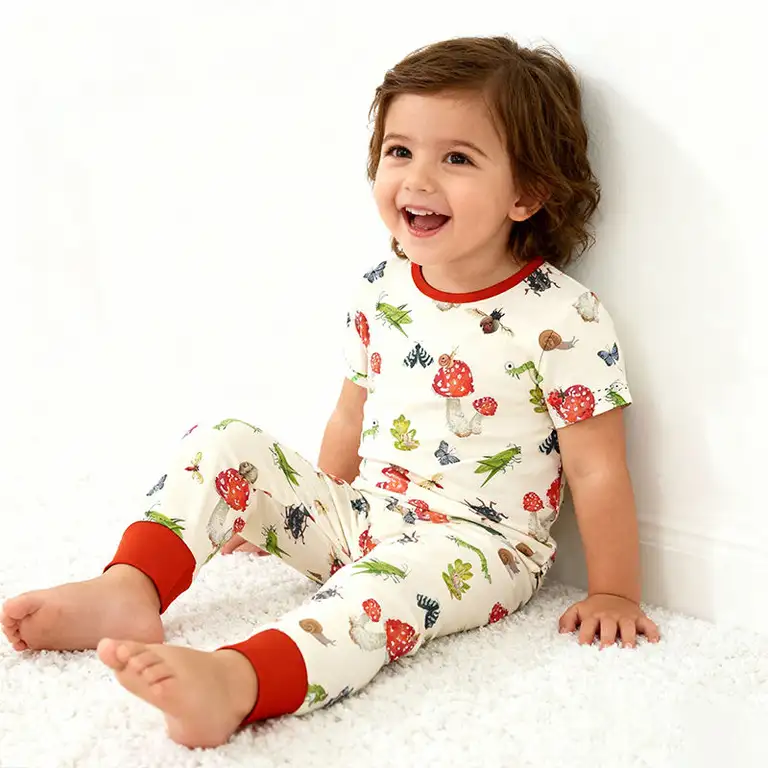
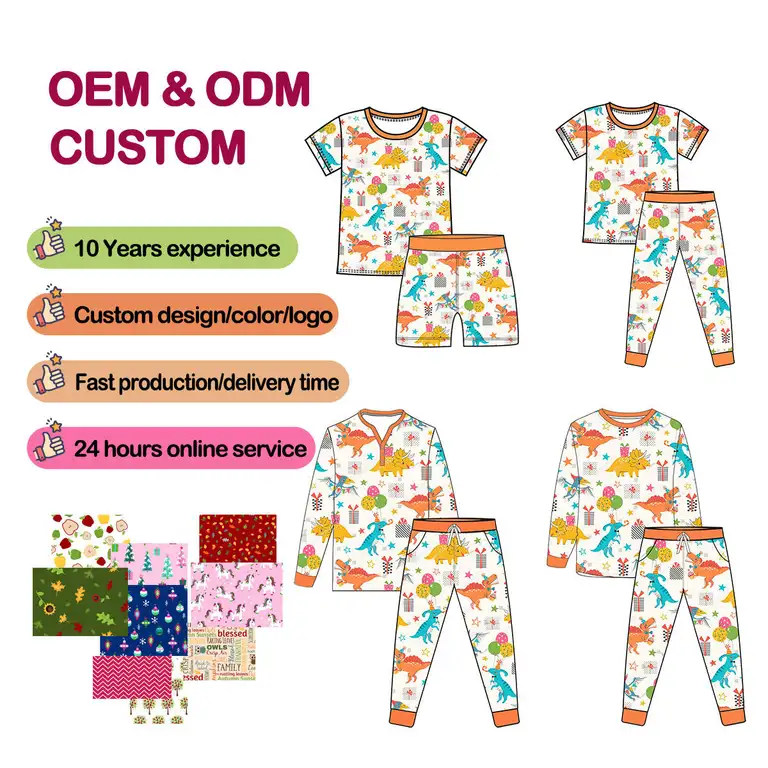
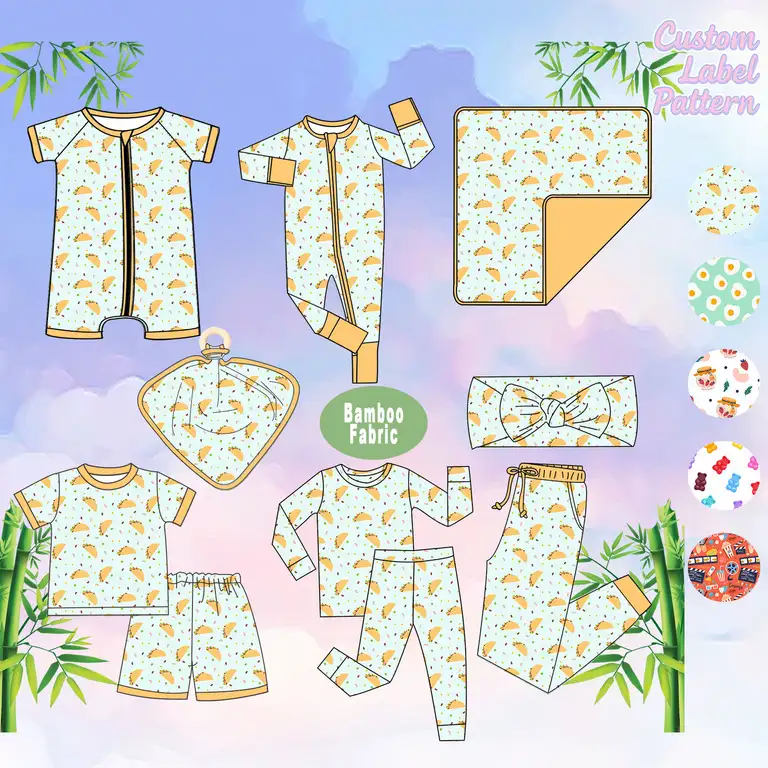
Tailor-made Viscose From Bamboo Baby Pajamas Supplier
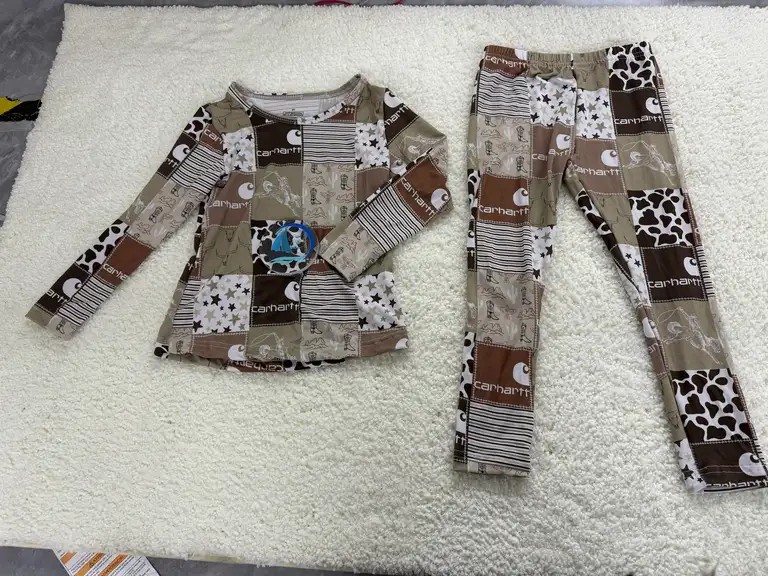
Introduction to Viscose from Bamboo
Viscose from bamboo is an increasingly popular fabric used in various textiles, including baby pajamas. Parents and caregivers are drawn to this material due to its softness, sustainability, and comfort. Bamboo itself is a rapidly renewable resource, making it an environmentally friendly choice compared to conventional fabrics like cotton or polyester.
Production Process
The process of creating viscose from bamboo involves several steps. Initially, bamboo is harvested and then broken down into chips. These chips are treated with a solvent, often sodium hydroxide, to convert them into pulp. The pulp undergoes a process called aging to further break down the cellulose fibers. Afterwards, this material is dissolved in carbon disulfide, creating cellulose xanthate. This substance is then extruded through a spinneret to form viscose fibers. Finally, these fibers are spun into yarn and woven into cloth.
While this process involves chemical solvents, many manufacturers are adopting closed-loop systems to minimize environmental impact by recovering and reusing solvents.
Attributes of Viscose from Bamboo
The resulting fabric from bamboo is praised for its silky texture and softness, making it ideal for sensitive baby skin. , it possesses excellent moisture-wicking properties, keeping babies dry and comfortable through fluctuations in temperature and humidity.
The fabric is also naturally hypoallergenic and antimicrobial, which helps reduce the risk of allergic reactions and deters bacterial growth. This is crucial in ensuring that baby pajamas remain hygienic and safe.
, viscose from bamboo demonstrates significant breathability which can enhance thermal regulation, ensuring babies remain comfortable whether it is warm or cold.

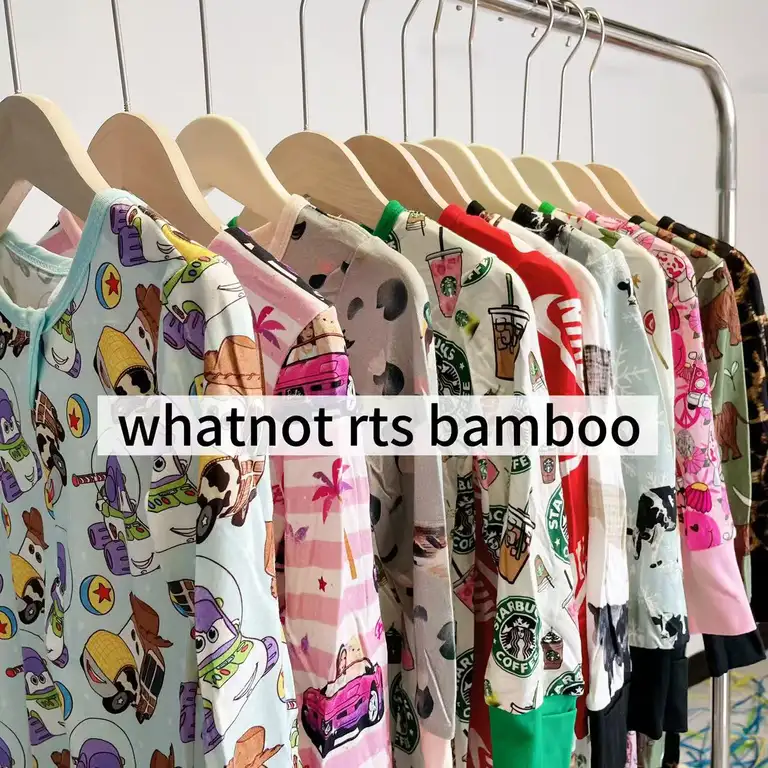
Sustainability Considerations
One of the key benefits of using bamboo for textile production is its sustainability. Bamboo grows rapidly and requires minimal resources such as water and pesticides. In fact, it can reach maturity in just three to five years, making it a highly renewable source.
Additionally, bamboo plantations can improve soil health and are capable of absorbing high levels of carbon dioxide, which contributes positively to reducing the carbon footprint.
However, the chemicals used in the viscose production process pose environmental challenges. To address these, many manufacturers are opting for more sustainable practices. Closed-loop production systems are increasingly adopted, minimizing the release of harmful chemicals into the environment.
Comparing Bamboo Viscose with Other Materials
When compared to cotton, bamboo viscose provides superior moisture management and thermal regulation, important factors for baby apparel. Cotton, while breathable, can retain moisture, which might lead to discomfort, whereas bamboo viscose effectively releases moisture back into the air.
In contrast to synthetic fibers such as polyester, bamboo viscose offers a more sustainable option considering polyester's reliance on petroleum-based products and its negative impact on microplastic pollution.
, bamboo viscose offers a balanced combination of comfort, protection, and sustainability, making it a preferred option for environmentally-conscious consumers looking for baby pajamas.
Consumer Considerations
For parents considering purchasing bamboo pajamas for their babies, it is important to verify the production practices of the brand. Opting for manufacturers that embrace eco-friendly processes ensures that the benefits of bamboo are maximized without compromising sustainability.
, parents should look for certifications that indicate responsible production practices. Labels such as OEKO-TEX Standard 100 can provide assurance that the textiles are free from harmful substances.
| Fabric | Bamboo/Cotton |
| Compliance | GOTS Organic |
| MOQ | 500pcs |
While bamboo viscose baby pajamas may come at a premium cost compared to conventional options, the benefits in terms of comfort, sustainability, and health justify the investment for many families.
Viscose from bamboo offers a unique blend of features that make it ideal for baby pajamas. Its softness, moisture management, hypoallergenic properties, and environmental benefits are compelling reasons for its selection. As the textile industry advances in sustainable practices, bamboo viscose stands out as an option that meets both consumer demand for eco-friendly products and the need for comfort and health in children's apparel.
Ultimately, while challenges in production persist, ongoing improvements and awareness raise the prospect of bamboo viscose becoming a staple in the future of sustainable textiles.