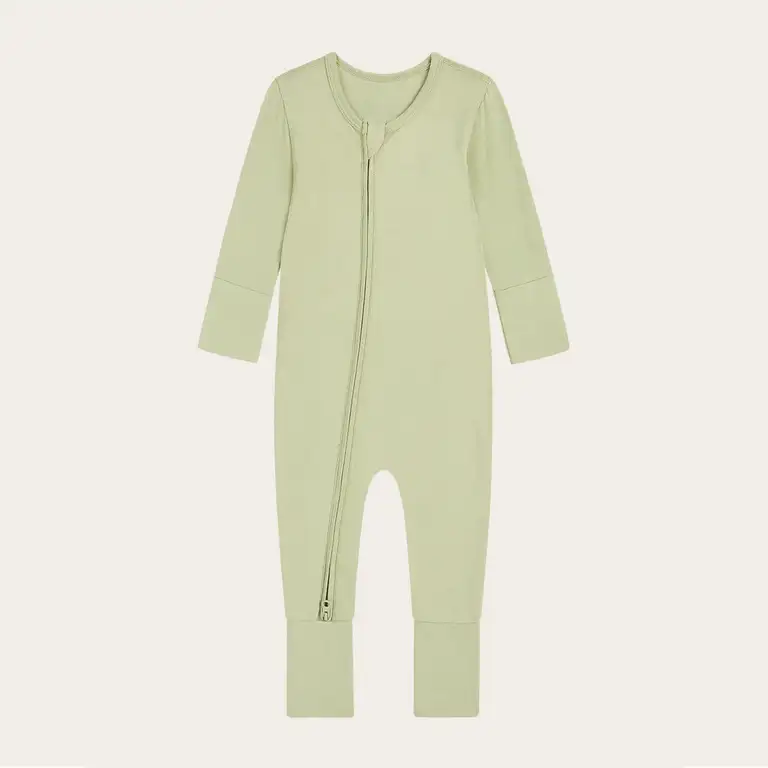
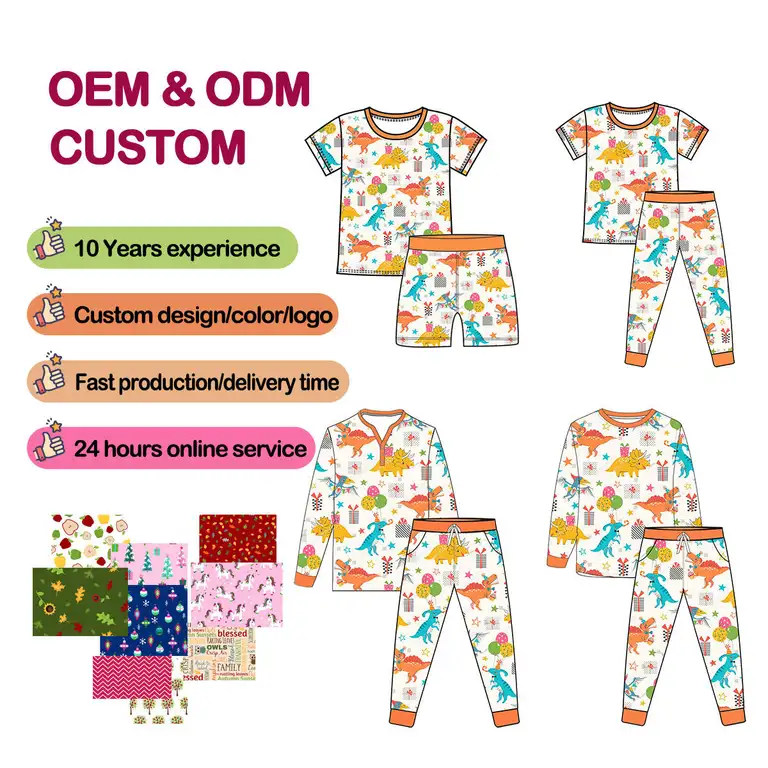
OEM Bamboo Sleeping Supplier
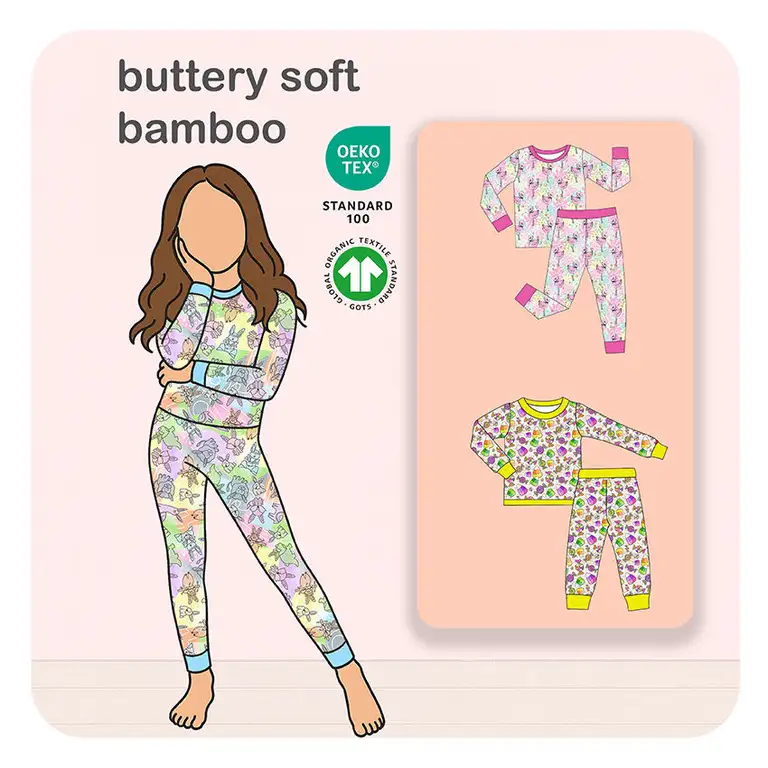
| Fabric | Bamboo/Cotton |
| Compliance | ASTM F963 |
| MOQ | 500pcs |
Understanding Bamboo Sleeping
Introduction to Bamboo Sleeping
Bamboo sleeping refers to the use of bamboo-based materials in the construction of sleeping products such as mattresses, bed sheets, pillows, and other related items. Bamboo has become increasingly popular in recent years due to its reputation as an eco-friendly and sustainable resource. , it is known for its unique properties that offer several health benefits. Bamboo fabrics, derived from bamboo fiber, are naturally breathable, hypoallergenic, and antimicrobial, making them an excellent choice for individuals seeking comfort and well-being during sleep.
The Engineering of Bamboo Sleep Products
The engineering of bamboo sleep products involves transforming raw bamboo into usable fiber before it is woven into fabric. The process begins by harvesting bamboo, which typically grows without the need for pesticides or fertilizers, enhancing its eco-friendly credentials. Once harvested, bamboo stalks are cut into smaller pieces and crushed to extract cellulose, the primary component used in making fibers. This cellulose is then converted into bamboo viscose through a series of steps that include soaking the crushed bamboo in a solution to soften and dissolve it. The resulting slurry is forced through spinnerets to create thin, lengthy strands that solidify into fibers. Finally, these fibers are spun into threads that form the basis of bamboo fabric. Advanced engineering techniques ensure that the resulting fabric is soft, durable, and retains its environmental benefits.
Benefits of Bamboo in Sleep Products
Bamboo offers numerous advantages when used in sleep products. First and foremost, bamboo fabrics are incredibly breathable, allowing air to circulate freely. This helps regulate body temperature, providing a cooler sleeping experience during warmer months and warmth during colder periods. Bamboo's moisture-wicking properties further enhance comfort, drawing sweat away from the body and keeping sleepers dry throughout the night. Besides comfort, bamboo is naturally hypoallergenic and antimicrobial. This makes it an excellent choice for people with allergies or sensitive skin, as it reduces the likelihood of allergic reactions and prevents the growth of bacteria, fungi, and dust mites. These attributes contribute to a healthier sleep environment, promoting well-being. Additionally, bamboo is more sustainable compared to traditional materials used in sleep products. It grows rapidly, requires minimal water, and doesn't require chemical treatments, potentially reducing the environmental impact of manufacturing sleeping goods.
Evaluating the Market for Bamboo Sleep Products
The market for bamboo sleep products has witnessed significant growth as consumers increasingly prioritize sustainability and health in their purchasing decisions. Companies that specialize in bamboo sleep products often emphasize the environmental benefits of bamboo, coupled with the superior comfort it provides. From luxury bedding brands to more affordable mass-market options, bamboo sleep products are widely available, catering to various consumer preferences. Market research indicates a steady rise in demand, driven by heightened awareness of green living and the health benefits associated with bamboo textiles. As engineering processes advance and new innovations emerge, it is expected that the market for bamboo sleep products will continue to expand, providing consumers with even more options and driving competitive pricing.
Challenges in Bamboo Sleeping Solutions
Despite the numerous benefits bamboo presents, there are challenges associated with its use in sleep products. One significant issue is the chemical processes involved in producing bamboo viscose, which can negate some environmental advantages due to the pollutants generated. Manufacturers must balance the chemical treatment with environmentally friendly practices to justify bamboo's sustainability claims. Additionally, bamboo-based products can sometimes be perceived as more expensive than their non-bamboo counterparts due to the complexity of the textile production process. This perception must be addressed through consumer education, highlighting the long-term benefits and durability of bamboo textiles that justify the initial investment. Finally, as bamboo sleep products become more popular, maintaining the integrity and authenticity of bamboo claims is vital. Industry standards and certifications should be emphasized to provide assurance to consumers and prevent greenwashing.
Future Prospects and Innovation in Bamboo Sleeping
The future of bamboo sleeping solutions is promising as ongoing research and development efforts aim to refine bamboo textile technologies. Innovations are likely to focus on enhancing sustainability further, reducing production costs, and improving the performance of bamboo fabrics. Nanotechnology may play a role in developing more advanced bamboo textiles with novel properties, such as enhancing antibacterial and moisture-wicking capabilities. Additionally, market expansion into regions less familiar with bamboo sleep products represents untapped potential for growth. Educational campaigns and strategic partnerships may help broaden awareness and access to bamboo textiles on a global scale. As consumers continue to seek greener alternatives, it is expected that bamboo will play a pivotal role in transforming the sleep industry into a more sustainable and health-oriented space. With continued engineering ingenuity, bamboo sleep products can pave the way for more environmentally responsible and health-conscious consumer choices.