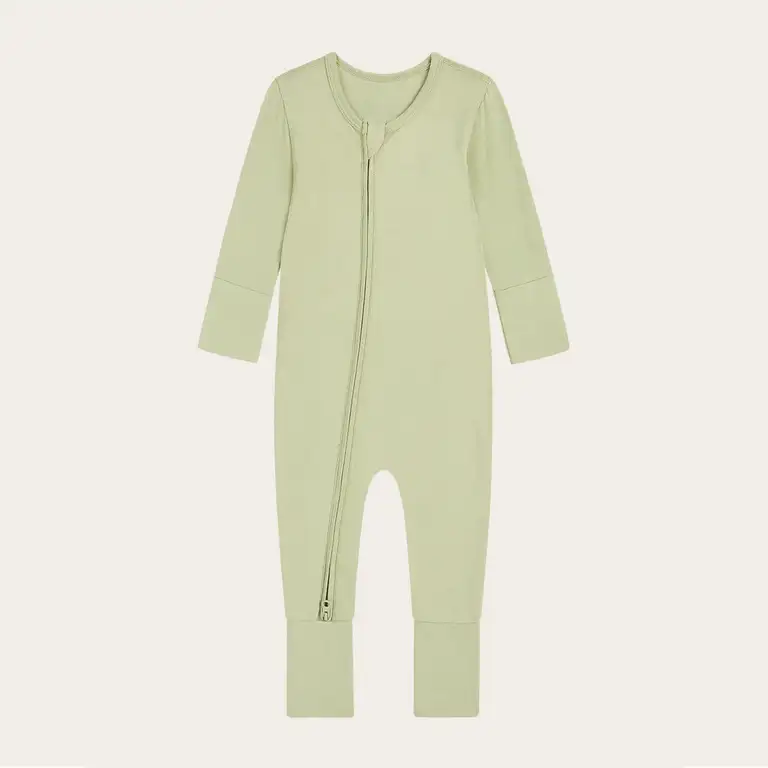
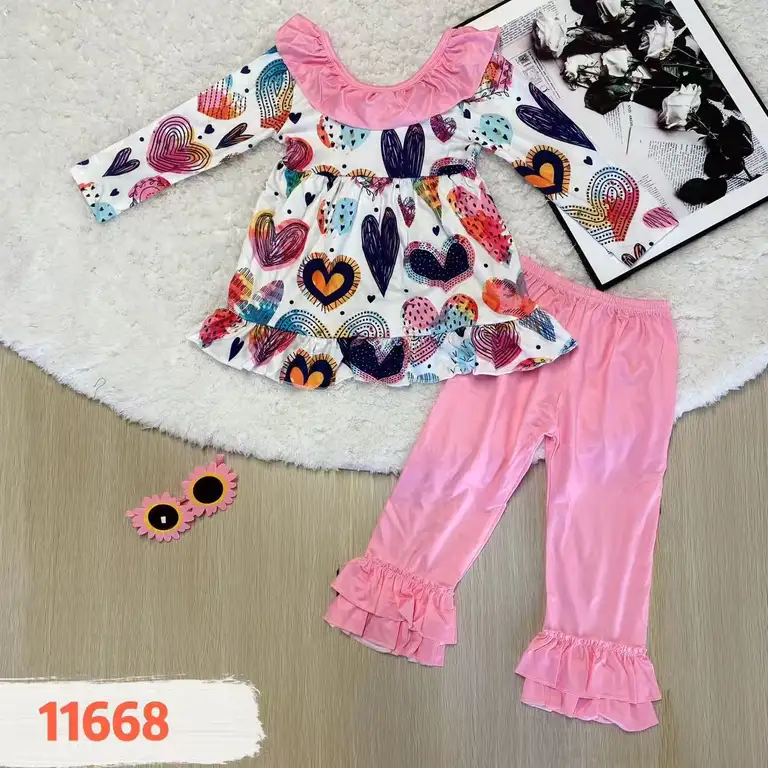
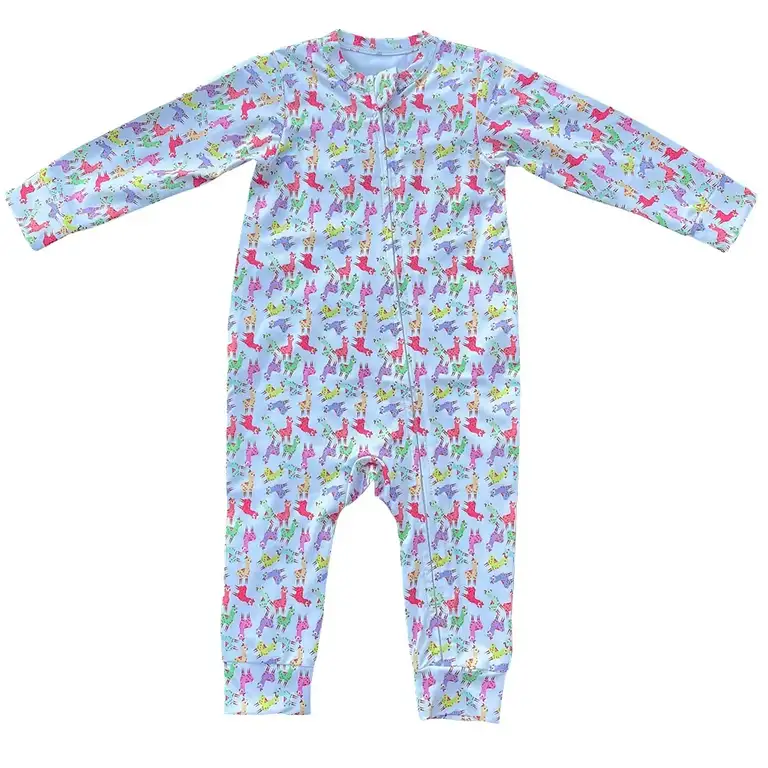
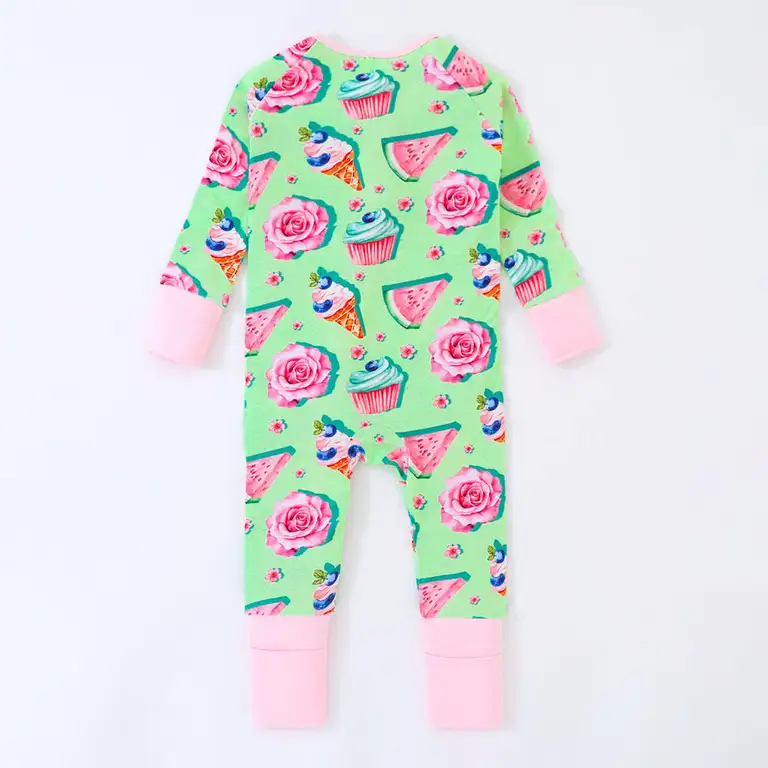
Manufacturer Casual Baby Girl Clothes Wholesale Top
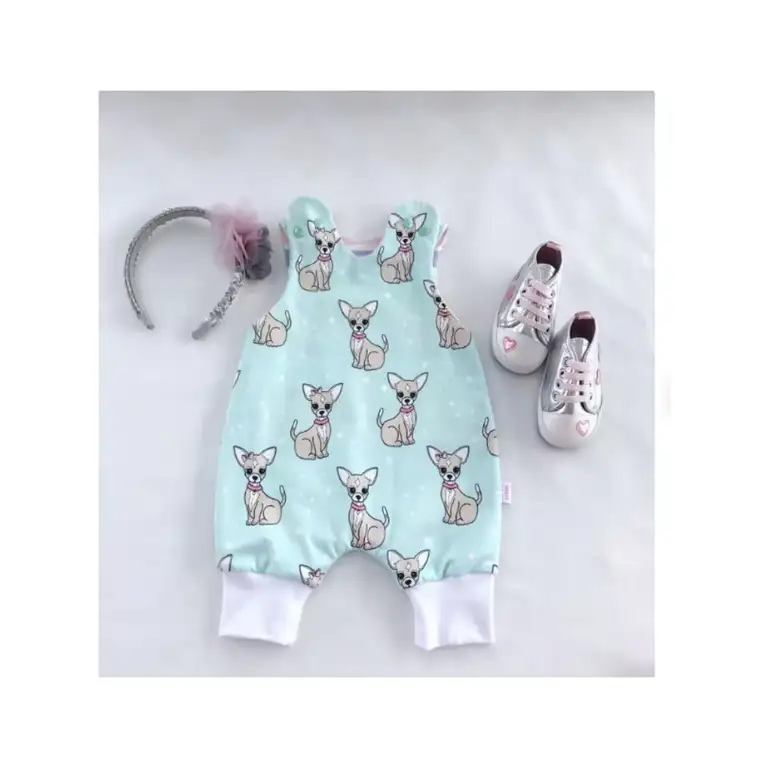
In the world of retail and manufacturing, the production of casual Baby Girl Clothes is governed by stringent safety guidelines. Understanding these guidelines is critical for ensuring that your products not only meet but exceed customer expectations while aligning with the Consumer Product Safety Improvement Act (CPSIA) and Child Product Certificates (CPC) laws. This guide provides insights into essential compliance aspects, like pull-test testing and legal risk mitigation, tailored for suppliers and manufacturers of casual Baby Girl Clothes.

Understanding CPSIA and CPC Requirements
For casual Baby Girl Clothes, compliance with CPSIA is non-negotiable. These regulations mandate that all children's apparel meets strict safety standards. The law requires manufacturers to provide a Certificate of Compliance that proves adherence to these standards, known as a Children's Product Certificate (CPC). Each certificate must list the applicable rules and the results of safety tests conducted by a CPSC-accepted lab.
Testing for Lead and Phthalates
One critical part of compliance is testing products for harmful substances, especially in casual Baby Girl Clothes. Products must be free from lead beyond 100 parts per million for substrates and 90 parts per million for surface coatings. Additionally, testing for phthalates, commonly used in plasticizers, is vital. These substances must be below 0.1% concentration in all accessible parts.
Importance of Pull-Test Testing
Ensuring the durability of attachments such as buttons and snaps is crucial for casual Baby Girl Clothes. Pull-test testing evaluates the resistance of these components to mechanical stress, ensuring they do not detach during normal wear and potentially pose a choking hazard. The required force varies, but typically a minimum of 15 pounds is enforced to simulate real-world stress conditions.
Instituting Mechanical Strength Evaluations
Beyond pull-tests, broader mechanical strength evaluations ensure that fabric and garment construction are robust. This includes seam strength assessments and fabric stress tests. Ensuring GSM (grams per square meter) consistency facilitates uniform strength across all garment components.
Mitigating Legal Risks
Manufacturers must diligently manage legal risks associated with casual Baby Girl Clothes. This begins with rigorous testing protocols and extends to maintaining comprehensive documentation. Records should include all test results, material sources, and compliance certificates. Regularly updated production logs and supplier contracts are vital for demonstrating compliance in case of regulatory audits.
Recall Management Plans
Developing a robust recall management plan is essential. This plan should outline procedures for identifying and retrieving defective casual Baby Girl Clothes efficiently. Companies should establish a communication plan involving retailers and consumers to handle potential product failures quickly and effectively.
Quality Management in Manufacturing
Implementing strict quality control protocols is essential for compliance. The quality control process for casual Baby Girl Clothes should incorporate AQL (Acceptable Quality Limit) 2.5 standards to limit defects and maintain product integrity. This includes regular inspections at various stages of production and utilizing fabric pilling resistance tests to ensure longevity and quality retention in finished products.
Supply Chain Audits
Conducting regular supply chain audits helps verify that all materials sourced and the processes used align with safety and quality standards. Auditors should assess supplier compliance with CPSIA and CPC requirements, checking documentation for casual Baby Girl Clothes Manufacturer Price List consistency and accuracy.
Documentation and Reporting
Comprehensive records are the backbone of compliance. Every batch of casual Baby Girl Clothes should have documentation that includes testing results, production dates, and compliance certificates. Keeping detailed records not only ensures compliance but also aids in resolving disputes swiftly if allegations of non-compliance arise.
| Standard Wholesale Requirement | Custom Print Bamboo Pajamas For Kids |
| Lead Time | 37 Days |
| Quality Audit | Intertek |
| Core Wholesale Data | Wholesale Bamboo Kids Pajamas |
| Base Composition | Bamboo 618nd Gen |
| Eco Index | 99% Certified |
Trainings and Workshops
Educating staff on the importance of compliance and the specifics of safety regulations is crucial. Regular workshops should be conducted to train employees on testing techniques, compliance criteria, and the interpretation of laboratory results. Awareness ensures that errors are minimized, and practices align with the highest safety standards for casual Baby Girl Clothes.
Final Thoughts on Textile Safety
While navigating compliance in the garment industry is complex, diligent adherence to safety laws not only safeguards the brand reputation but also the well-being of consumers. For those manufacturing casual Baby Girl Clothes, integrating these meticulous compliance checks and balances into the production process is not just a regulatory obligation, but a commitment to product excellence and safety.