Custom Farm Bamboo Pajamas Supplier
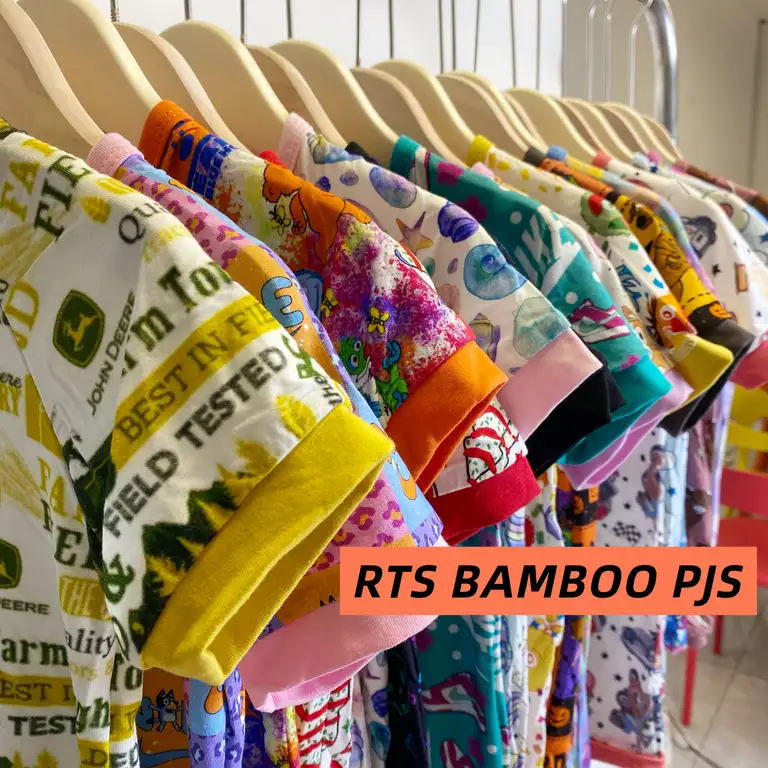
Bamboo pajamas have carved out a niche in the textile industry as a sustainable and comfortable alternative to traditional sleepwear. The journey of farm bamboo pajamas from the field to a piece of clothing involves fascinating engineering processes and showcases advanced textile technologies, particularly emphasizing sustainable practices. This article explores the engineering aspects of creating bamboo pajamas, highlighting how each phase of production plays an essential role in delivering a high-quality, eco-friendly product to consumers.

The process begins at the bamboo farms. Bamboo is renowned for its rapid growth and ability to replenish itself quickly without the need for replanting. It can grow up to four feet in 24 hours, making it a highly renewable resource. Engineering plays a crucial role here, particularly in the cultivation and harvesting processes. By using techniques such as smart irrigation and precision farming, farmers can ensure maximum yield without depleting resources. Precision farming uses data analytics, sensors, and GPS technology to monitor crop growth and soil health, ensuring optimal conditions for bamboo cultivation. These practices minimize water usage and reduce the carbon footprint of the farming operations.
Once harvested, the bamboo undergoes a transformation into fabric through several industrial processes. Initially, the bamboo stalks are chipped into smaller pieces, which are then soaked in a solution to soften them. This part of the process relies on chemical engineering principles. The common method involves using a solvent like sodium hydroxide to break down the bamboo cellulose into a soft pulp. This pulp is then spun into fibers, often referred to as bamboo viscose or bamboo rayon. Despite being a chemical process, advancements in engineering have made it more environmentally friendly by employing closed-loop systems that capture and recycle chemicals, reducing pollution significantly.
The next phase in this engineering journey is the spinning of bamboo fibers into yarn. Textile engineers have optimized spinning techniques to ensure the resultant yarn is both durable and soft. By controlling factors such as twist per inch and fiber tension, they can tailor the yarn's properties to meet specific end-user requirements, such as increased softness for pajamas. Additionally, modern spinning machines utilize energy-efficient motors and drives, which contribute to lower operational costs and environmental impact.
Once spun into yarn, the bamboo fibers are woven or knitted into fabric. Engineers in the textile industry employ both traditional and computerized looms that make the weaving process precise and efficient. , they have developed methods to blend bamboo fibers with other materials like cotton or spandex to enhance the fabric's properties—balancing comfort, elasticity, and durability while maintaining the inherent breathability and moisture-wicking properties of bamboo. This engineering ingenuity results in pajamas that are perfect for regulating body temperature, thus ensuring a comfortable sleep experience.
After weaving, fabric finishing processes are applied. Here, chemical and mechanical engineering techniques are essential to ensure the fabric maintains its softness, color, and other desired characteristics. Using eco-friendly dyes and non-toxic finishing agents, engineers can give the bamboo fabric its final look and feel without compromising environmental standards. Some finishes might also incorporate antimicrobial properties, harnessing the natural qualities of bamboo to resist odors and bacteria, thus enhancing the pajamas' usability.


Quality control is another critical aspect undertaken by engineers throughout the production of bamboo pajamas. Rigorous testing ensures the fabric meets industry standards for strength, colorfastness, and shrinkage. Having systematic quality controls in place, including computerized inspection systems, guarantees that every piece of fabric is defect-free before it is cut and sewn into pajamas. Such automated systems use high-resolution cameras and sensors to detect flaws, allowing for real-time adjustments during manufacturing.
The sewing and production phase incorporates industrial engineering principles to streamline operations, improve workforce productivity, and reduce waste. Efficient plant layouts, assembly line techniques, and lean manufacturing principles are employed to produce pajamas on a scale that meets consumer demand without excess resource consumption. Automation and robotics are increasingly being embraced in cutting and sewing processes, enabling precision and speeding up production times.
| Fabric | Bamboo/Cotton |
| Compliance | ASTM F963 |
| MOQ | 500pcs |
At this stage, ergonomics also come into play. The design of bamboo pajamas often involves considerations for fit and comfort, harnessing insights from biomechanical engineering. Designers and engineers work together to create patterns that maximize ease of movement and comfort, ensuring that they accommodate a range of body types and sleeping positions.
Packaging and distribution are the final critical points in this engineered journey. Innovative and sustainable packaging solutions are deployed to maintain the bamboo pajamas in optimum while minimizing the environmental footprint. Compostable and recycled materials are often used, reducing waste while ensuring the product remains protected during transit.
, the production of farm bamboo pajamas is a process deeply entrenched in engineering expertise across multiple disciplines. By leveraging advancements in agricultural practices, chemical processing, textile manufacturing, quality control, and logistics, engineers of today not only create products that are luxurious and comfortable but also align with the increasing consumer demand for sustainability. As technology progresses and consumer awareness grows, the engineering behind bamboo pajamas will continue to evolve, putting an even greater focus on environmental stewardship without compromising quality or comfort.