ODM Newborn Sleepsuit Supplier

The newborn sleepsuit is an essential garment designed to offer comfort, safety, and practicality for infants. As engineers, it is vital to understand both the functional and material aspects that contribute to an effective sleepsuit design. This detailed overview will explore the key components that make a sleepsuit ideal for newborns and discuss the importance of each element from a technical perspective.
Firstly, the fabric choice is paramount when creating a sleepsuit. Newborn skins are sensitive and require materials that are both gentle and breathable. Natural fibers such as cotton are often preferred due to their hypoallergenic properties and softness. Organic cotton, free from pesticides and synthetic fertilizers, is particularly beneficial as it minimizes the risk of irritation and allergies. Additionally, the breathability of cotton helps regulate the baby’s body temperature, maintaining comfort and preventing overheating, which is crucial for a newborn's health.
From an engineering standpoint, durability and ease of care are also pertinent factors. The fabric needs to withstand frequent washing without wear or degradation to serve its purpose effectively over time. Techniques such as using high-quality yarns, robust weaving patterns, and reinforcing stress points like seams can enhance the longevity and resilience of a sleepsuit.
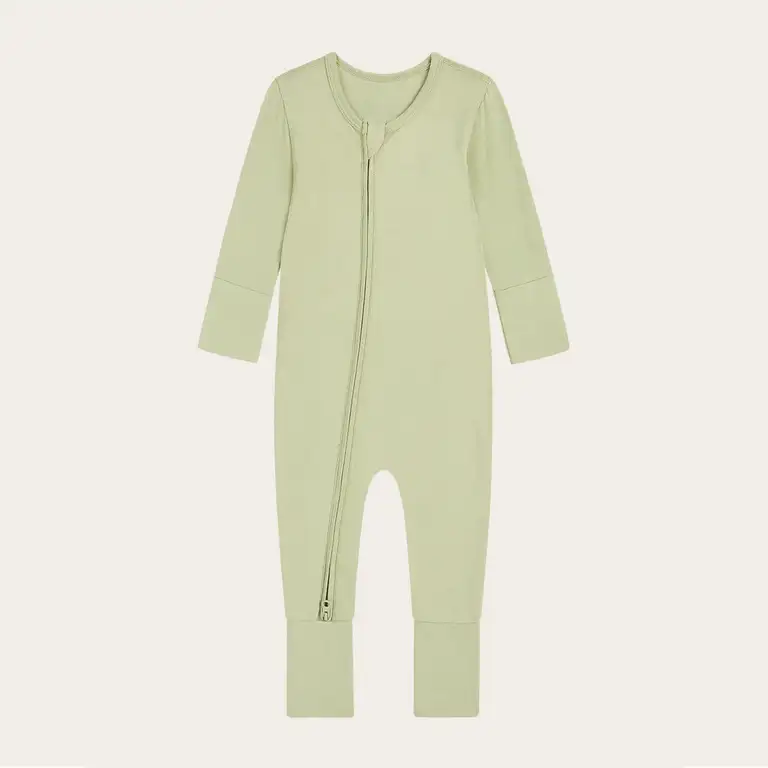
Another crucial aspect of sleepsuit engineering is the design and construction of fasteners. Zippers, snaps, and velcro are common closure methods, but each has its advantages and considerations. Zippers offer speed and ease of use, but they need to have safety flaps to ensure no direct contact with the baby's skin, preventing irritation or accidental pinching. Snaps, while slightly more time-consuming, provide multiple closure points, allowing for better alignment and adjustment. Velcro, although convenient, can lose its effectiveness over time and may collect lint. Importantly, all fasteners must be securely attached and free from small parts that could pose a choking hazard.
The ergonomic design of the sleepsuit is integral to its function. Proper fit is essential; too tight, and it restricts movement and can cause discomfort, but too loose, and it risks entanglement, which could be dangerous. Sleeves and legs should have gently elasticated cuffs that keep them in place without constricting blood flow. Designs that include fold-over mittens or booties are particularly advantageous. These additional features can prevent the baby from scratching themselves and aid in temperature regulation.
An innovative feature commonly integrated into newborn sleepsuits is the use of flatlock seams. Traditional seams can be bulky and cause discomfort, especially as babies spend much of their time lying down. Flatlock stitching provides a smooth finish that reduces pressure points and potential skin irritation.


Safety certifications and compliance with standards are critical engineering aspects to consider during the design and production of sleepsuits. Manufacturers must adhere to fire safety regulations, ensuring that the materials are flame retardant or snug-fitting enough to minimize fire risk. The use of non-toxic dyes and the absence of heavy metals in the fabric are equally crucial for ensuring a safe product. Testing for these elements is a fundamental part of product development, as is maintaining compliance with consumer safety standards such as those outlined by the Consumer Product Safety Commission (CPSC) or European equivalents.
, sustainability is increasingly becoming a focus in the engineering of baby products. The environmental impact of producing textiles, from water usage to carbon emissions, is under scrutiny. Many companies are moving towards sustainable practices, such as using recycled materials, minimizing waste during the production process, and opting for biodegradable packaging. Engineers play a pivotal role in innovating techniques that marry functionality with minimal environmental footprint.
Integral to all these aspects is continuous feedback and improvement. Product testing with real-world scenarios helps identify potential improvements that can be made. Gathering feedback from parents and caregivers provides insights that are invaluable for refining design and functionality. , advancements in textile technology and manufacturing processes continually offer new materials and techniques that engineers must evaluate and incorporate into future product enhancements.
, the engineering of a newborn sleepsuit is a multifaceted challenge that involves balancing safety, comfort, practicality, and sustainability. Each element, from material choice and fasteners to design and ecological impact, must be carefully considered and optimized. As engineers, focusing on both current standards and future innovations will ensure that the sleepsuits not only meet but exceed expectations, providing comfort and security for some of the most vulnerable users—newborns.
| Fabric | Bamboo/Cotton |
| Compliance | CPSIA Compliant |
| MOQ | 500pcs |